

Industry News, News
Why is Your Matcha Not Dissolving? Troubleshooting Common Issues
Nov
So, you’ve got your matcha, you’re ready to make a nice cup, but then… it just won’t dissolve. You’re left with a clumpy mess at the bottom of your bowl. It’s a common frustration, and honestly, it can make you question everything you thought you knew about this vibrant green tea. But don’t worry, there are usually pretty simple reasons why your matcha not dissolving the way you expect. Let’s break down what might be going on and how to fix it, so you can enjoy a smooth, delicious cup every time.
Key Takeaways
- Matcha’s fine powder needs the right water temperature (not too hot, not too cold) to dissolve properly.
- The quality of your matcha matters; finer grinds and fresher tea dissolve better.
- Using a bamboo whisk (chasen) and the correct whisking motion helps break up clumps.
- Adding water gradually, rather than all at once, makes it easier for the matcha to mix in.
- Proper storage keeps matcha fresh, preventing clumping and preserving its flavor, which aids dissolution.
The Alchemy of Matcha: Understanding Its Fine Powder
The Essence of Stone-Grinding
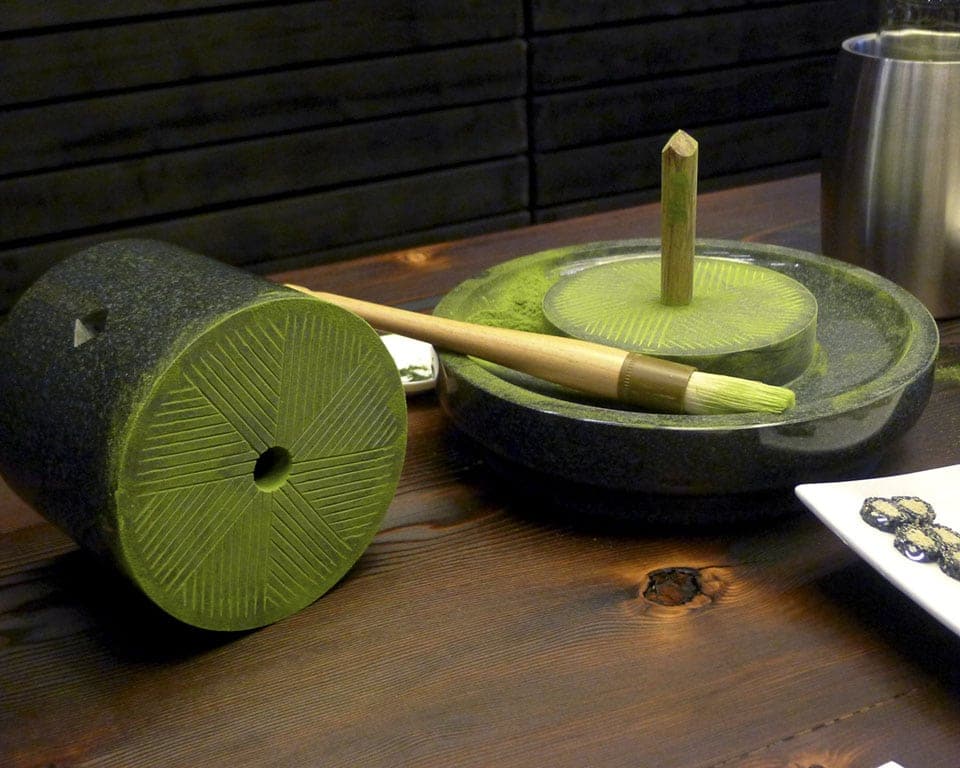
Matcha’s journey from leaf to vibrant powder is a meticulous one, and at its heart lies the ancient art of stone-grinding. Unlike other teas that are steeped, matcha is consumed whole, meaning the texture and fineness of its powder are paramount. Traditional stone mills, often made of granite, are used to gently grind the dried tea leaves (tencha) into an incredibly fine powder. This process is slow and deliberate, designed to preserve the tea’s delicate flavors and vibrant color. It’s a method that has been perfected over centuries in regions like Uji and Yame, Japan, where the pursuit of matcha perfection is a way of life.
Understanding Its Fine Powder
Particle Size and Its Impact on Dissolution
The fineness of matcha powder directly influences how well it dissolves. High-quality matcha, properly stone-ground, will have particles so small they can suspend in water, creating that characteristic frothy, smooth texture. If the powder is coarser, perhaps due to machine grinding or lower quality leaves, these larger particles will struggle to break down completely. This is often why you see clumps or a gritty sediment at the bottom of your cup. Think of it like trying to dissolve sand versus flour in water; the finer the substance, the more readily it integrates.
The Role of Quality in Matcha’s Texture
Ultimately, the quality of the matcha itself plays a significant role in its dissolution. Matcha sourced from renowned regions like Yame or Uji, and processed with care, is typically ground to an exceptionally fine particle size. This isn’t just about aesthetics; it’s about the tea’s inherent structure. Lower grades might be more brittle or contain more fibrous material, which doesn’t break down as easily. The smoother and more velvety the powder feels between your fingers, the more likely it is to dissolve beautifully. This attention to detail in cultivation and processing is what distinguishes truly exceptional matcha.
Water’s Influence on Matcha’s Embrace
When you prepare matcha, you’re not just mixing powder and liquid; you’re coaxing delicate flavors and textures into being. Water, often overlooked, plays a starring role in this process. Its temperature, quality, and how you introduce it to the matcha all make a difference in whether you get a smooth, vibrant cup or a clumpy disappointment.
Temperature: The Crucial Element
The temperature of your water is probably the most important factor when it comes to getting matcha to dissolve properly. Too hot, and you risk scalding the delicate tea leaves, which can bring out a bitter taste and make the powder clump. Too cool, and the matcha won’t fully integrate, leaving you with a gritty texture.
- Ideal Range: For most matcha, especially higher grades from regions like Uji or Yame, aim for water between 160°F and 175°F (70°C – 80°C).
- Lower Grades: If you’re using a more robust, culinary-grade matcha, you might get away with slightly hotter water, but it’s still best to err on the side of caution.
- Testing: A simple way to check is to let boiling water sit for a minute or two, or use a thermometer if you want to be precise.
Water Quality: A Subtle Yet Significant Factor
Just like with any fine tea, the water you use can impact the final taste. Hard water, with its high mineral content, can sometimes interfere with the subtle flavors of matcha, making it taste dull or even slightly metallic. Soft water is generally preferred.
Using filtered or spring water can make a noticeable difference, allowing the true character of the matcha, whether it’s the deep umami of Uji or the bright notes from Yame, to shine through without interference.
The Art of Hydration: Gradual Incorporation
How you add the water to your matcha powder is also key. Dumping all the water in at once can shock the powder and lead to clumps. A more gentle approach usually yields better results.
- Start Small: Begin by adding just a small amount of your warmed water to the matcha powder in your bowl. This creates a paste-like consistency.
- Whisk the Paste: Gently whisk this paste until it’s smooth and free of lumps. This initial step is vital for breaking down any small clumps that might have formed.
- Gradually Add More: Once you have a smooth paste, slowly add the remaining water while continuing to whisk. This allows the matcha to incorporate evenly into the liquid, creating a smooth, frothy beverage.
Technique: The Dance of Whisk and Powder
The way you prepare your matcha is just as important as the tea itself. It’s not just about mixing powder and water; it’s a small ritual that makes a big difference in how your matcha tastes and feels. Getting it right means a smooth, frothy cup, while getting it wrong can lead to a gritty, disappointing drink.
The Chasen’s Purpose: Aeration and Emulsification
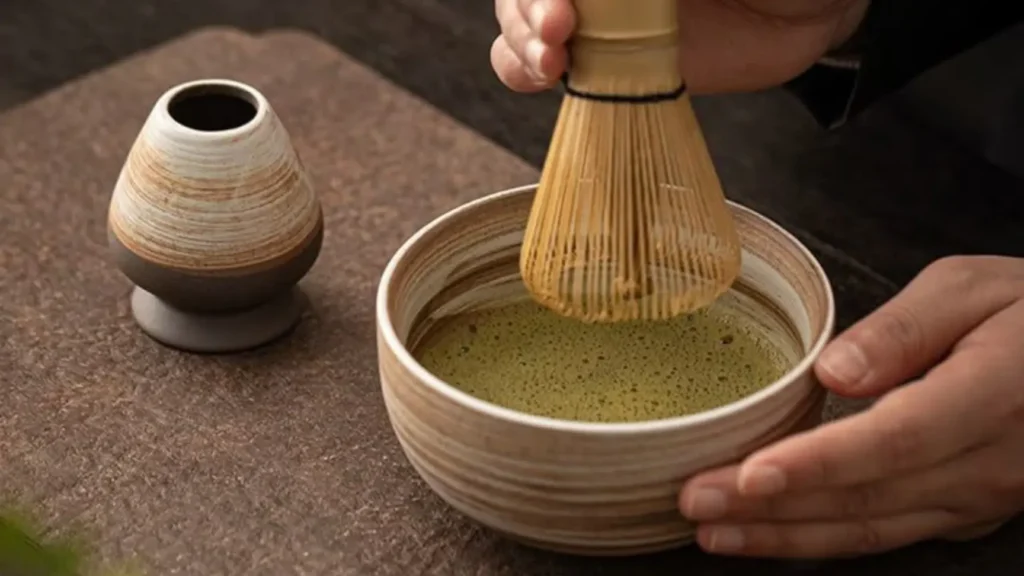
The traditional bamboo whisk, or chasen, is designed for a specific reason. Its many prongs are not just for show. When you whisk with a chasen, you’re not just stirring; you’re actively incorporating air into the matcha and water mixture. This process helps to break down any small clumps and creates a stable emulsion, which is what gives matcha its signature frothy top and smooth texture. Think of it as creating a tiny, temporary suspension where the matcha particles are evenly distributed, rather than settling at the bottom. A good whisking technique with a quality chasen is key to unlocking the full potential of your matcha.
Chasen
Mastering the Whisking Motion
Whisking matcha isn’t about brute force. It’s a delicate, rapid movement. The goal is to move the chasen back and forth in a ‘W’ or ‘M’ pattern across the bottom of the bowl, not in circles. Keep the whisk from scraping the bottom of the bowl too hard. You want to create a fine foam, like the head on a latte. Start slowly to break up any initial clumps, then pick up speed. A common mistake is to whisk too slowly or too gently, which won’t create enough aeration. Conversely, whisking too aggressively can break the foam too quickly.
Avoiding the Clump: A Gentle Approach
Clumps happen. It’s usually because the matcha powder is too fine or hasn’t been sifted. Before you even start whisking, if you notice your matcha looks clumpy in its container, it’s a good idea to sift it. A fine mesh sieve or a dedicated matcha sifter can help break up these larger particles. When whisking, start with a small amount of warm water and the matcha powder. Gently mix this into a paste first. This “paste” stage is critical for preventing clumps. Once you have a smooth paste, gradually add the rest of your water while continuing the rapid whisking motion. This layered approach helps ensure every bit of powder gets hydrated properly.
The quality of your matcha powder plays a significant role here. Finely ground, high-quality matcha, like that from regions such as Uji or Yame in Japan, tends to mix more easily. Lower quality matcha might have larger particles that are more prone to clumping, regardless of your technique.
Here’s a quick guide to the whisking process:
- Sift the Matcha: If your matcha seems clumpy, sift it into your bowl first.
- Add a Little Water: Pour just enough warm water (not boiling!) to make a thick paste with the matcha powder.
- Make the Paste: Gently whisk this mixture until it’s smooth and free of lumps.
- Add Remaining Water: Slowly add the rest of your water while whisking vigorously in a ‘W’ or ‘M’ motion.
- Froth: Continue whisking rapidly until a fine foam covers the surface.
This method, combined with good quality matcha, will help you achieve a smooth, delicious cup every time.
Storage and Freshness: Preserving Matcha’s Potency
Matcha, with its vibrant color and delicate flavor, is a living tea. Like any fine ingredient, its quality can change over time if not stored properly. Understanding how to keep your matcha fresh is key to enjoying that perfect cup, every time.
The Impact of Oxidation on Matcha
When matcha is exposed to air, light, and heat, it begins to oxidize. This process is similar to how an apple turns brown after being cut. For matcha, oxidation leads to a loss of its bright green color, a dulling of its fresh aroma, and a more bitter, less nuanced flavor. The vibrant green hue and sweet, vegetal notes are the first indicators of freshness, and they are the first to fade when matcha is not protected. Over time, the delicate compounds that give matcha its unique character break down, making it less enjoyable and harder to dissolve smoothly.
Optimal Storage Conditions
To preserve the integrity of your matcha, think of it as protecting a precious jewel. It needs to be shielded from its enemies: air, light, and warmth.
- Airtight Containers: Always store matcha in a container that seals tightly. This prevents air from getting in and oxidizing the powder. Opaque containers are best, as they block light.
- Cool and Dry: A cool, dry pantry or cupboard is ideal. Avoid storing matcha near heat sources like stoves or in direct sunlight.
- Refrigeration for Longevity: For longer storage, especially if you live in a warm climate or have opened a large quantity, consider refrigerating your matcha. Make sure the container is truly airtight to prevent moisture and odors from the refrigerator from affecting the tea. It’s often recommended to store it in smaller portions if you plan to freeze it for extended periods.
Recognizing Stale Matcha
Knowing when your matcha has lost its prime is important. Stale matcha will show several signs:
- Color: The bright, vivid green will have faded to a duller, yellowish-green or even brownish hue.
- Aroma: The fresh, grassy, or oceanic scent will be diminished, possibly replaced by a flat or slightly musty smell.
- Taste: The flavor will be less sweet and more bitter or astringent. It might also lack the characteristic umami depth.
- Dissolution: While not always a direct indicator of staleness, older matcha might clump more easily, as its fine particles may have degraded slightly.
If your matcha exhibits these signs, it might still be usable for baking or in recipes where its color and flavor are less critical, but for drinking, it’s best to seek out a fresh, high-quality matcha, perhaps from renowned regions like Yame or Uji, to truly appreciate its intended character. Proper storage is the first step to ensuring your matcha remains delightful from the first sip to the last.
The journey of matcha from leaf to cup is a delicate one. Protecting its freshness through mindful storage is not just about preserving flavor; it’s about honoring the meticulous cultivation and processing that went into creating such a special tea. It’s a small act of care that yields a significant reward in taste and experience.
Beyond the Basics: Advanced Considerations
Sometimes, even with the right water temperature and whisking technique, your matcha might still not dissolve perfectly. This often comes down to factors beyond the immediate preparation, like the grade of the matcha itself and how it’s been handled before it even reaches your bowl.
The Influence of Matcha Grade
Matcha isn’t a one-size-fits-all kind of tea. The grade significantly impacts its texture and how easily it dissolves. Think of it like different types of flour – some are finer and mix more readily than others.
- Ceremonial Grade: This is the highest quality, made from the youngest tea leaves. It’s known for its vibrant green color, smooth texture, and delicate flavor. Because it’s so finely ground, it generally dissolves quite well.
- Premium Grade: A step down from ceremonial, this grade is still excellent for daily drinking and lattes. It might have a slightly less vibrant color and a more noticeable, though still pleasant, mouthfeel. It should still dissolve without much trouble.
- Culinary Grade: This grade is made from older tea leaves and is designed for use in cooking and baking. It often has a bolder, more robust flavor and can sometimes be a bit coarser, which might lead to a less smooth dissolution in liquid.
The finer the grind and the younger the leaves, the more readily your matcha will integrate into water. For the best dissolution, especially for drinking straight, opt for ceremonial or premium grades from reputable sources in regions like Uji or Yame.
Sifting: A Preparatory Ritual
Even the finest matcha can form small clumps. This is where sifting comes in. It’s a simple step that makes a big difference in achieving a smooth, lump-free bowl.
- Use a Sifter: A dedicated matcha sifter, often with a fine mesh screen, is ideal. You can also use a very fine-mesh kitchen sieve.
- Tap Gently: Place the sifter over your matcha bowl (chawan) and gently tap the side of the sifter or use a small spoon to push the matcha through the screen.
- Store Properly: Once sifted, the matcha is ready to be whisked. If you sift a larger amount, store it in an airtight container, like a tin canister, away from light and moisture.
Sifting breaks up any tiny clumps that may have formed during packaging or transport, ensuring a much smoother mix when you add water. It’s a small effort that yields a noticeably better result, much like the care taken in crafting traditional tea canisters from Japan.
The Synergy with Other Ingredients
When you’re not drinking matcha straight, its interaction with other ingredients can affect perceived dissolution. For instance, when making a matcha latte, the fat content in milk can help emulsify the matcha, making it appear smoother. However, if the matcha itself is clumpy, it will still show through.
- Milk/Plant-Based Milks: The proteins and fats can help suspend the matcha particles.
- Sweeteners: Syrups or dissolved sugars can aid in the suspension process.
- Other Powders: Ingredients like cocoa powder or protein powder can sometimes affect the texture and how the matcha integrates.
Ultimately, the quality of the matcha is the primary factor. High-quality matcha, like that found in traditional tea regions of Japan, will perform better regardless of what you mix it with. It’s about starting with the best possible ingredient for a truly satisfying experience.
The Matcha Journey Continues
So, there you have it. A few common culprits behind that stubborn matcha clump. It’s not magic, just a bit of know-how. Whether it’s the water temperature, the quality of your powder, or just the way you’re whisking, small adjustments can make a big difference. Think of it as learning a new dance with your tea. Each step, from sifting to swirling, contributes to that perfect, smooth cup. Don’t get discouraged if your first few tries aren’t flawless. The real joy is in the process, the quiet moment you create for yourself, and the vibrant green elixir you eventually achieve. Keep practicing, keep exploring, and soon you’ll be whisking like a pro, enjoying every last bit of your delicious matcha.
Read more: Is Matcha Toxic? Unpacking the Health Benefits and Potential Risks


Quicl access to
You may also be interested in
How to Start a Matcha Business: A Step-by-Step Guide
Thinking about starting your own matcha business? It sounds exciting, right? Matcha is super popular,...
Oct
Mastering the Art: How to Correctly Make Matcha for the Perfect Brew
So, you want to make matcha? It’s not as hard as it looks, honestly. Lots...
Nov
What is Starbucks Matcha Made Of? Unpacking the Ingredients
Ever wondered what exactly goes into that vibrant green matcha latte you get at Starbucks?...
Oct
Where to Buy Matcha in Bulk: A Comprehensive Guide for 2025
Finding good matcha in bulk can feel like a quest, right? We’ve been there, trying...
Nov
Is Matcha Toxic? Unpacking the Health Benefits and Potential Risks
Matcha, that bright green powder, has become super popular. You see it everywhere, from fancy...
Nov
Mastering Your Matcha: How to Avoid Matcha Clumps for a Silky Smooth Brew
So, you’ve got your matcha, you’re ready to make that perfect cup, and then… clumps....
Nov