

Market Insight
What to Look For When Buying Matcha: A Comprehensive Guide
Nov
So, you want to buy some matcha, huh? It can be a little tricky to figure out what makes one tin better than another. It’s not just about the bright green color, though that’s a good start. There’s a whole world of grades, where it comes from, and how it’s made that really matters. If you’re looking to get the best stuff, it helps to know a few things. This guide is here to help you sort through it all, so you can pick out some really good matcha without feeling totally lost.
Key Takeaways
- Matcha comes in different grades, from ceremonial for sipping to culinary for cooking. Know which one you need.
- The color should be a vibrant green. Dull or yellowish shades usually mean it’s older or not as good.
- Smell it if you can! Good matcha has a fresh, grassy scent. A musty smell is a bad sign.
- Where the matcha is grown, like in Japan’s Uji or Yame regions, can tell you a lot about its quality.
- Look for brands that are open about where their tea comes from and how it’s processed. Direct partnerships with farms are a good sign.
Unveiling The Essence: Understanding Matcha Grades
The Spectrum of Quality: From Ceremonial to Culinary
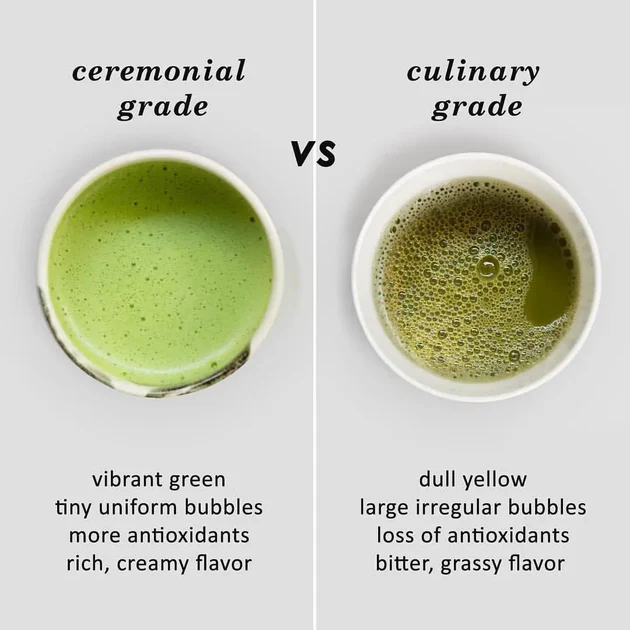
Matcha isn’t just one thing; it’s a spectrum of quality, and understanding the different grades is key to finding what you’re looking for. At the very top, you have Ceremonial Grade. This is the finest matcha, made from the youngest tea leaves, meticulously ground into an incredibly smooth powder. It’s meant to be enjoyed on its own, whisked with just hot water, so you can really taste its delicate, nuanced flavor. Think of it as the pure expression of the tea leaf. It’s often sourced from regions like Uji, known for its long history of producing high-quality matcha.
From Ceremonial to Culinary
Then there’s Culinary Grade. This is a broader category, and it’s perfect for when you’re adding matcha to other ingredients. Whether you’re making lattes, smoothies, or baking, culinary grade matcha has a bolder flavor that holds up well. It’s still good quality, but it’s designed to be mixed.
Distinguishing Premium and Café Grades
Within these broader categories, you’ll often see terms like ‘Premium’ and ‘Café’ grade. Premium grade matcha, like some of the excellent options from Yame, strikes a wonderful balance. It’s smooth enough to drink on its own as a simple usucha (thin tea), but also robust enough to make a fantastic latte. It’s a great all-rounder for daily enjoyment.
Café grade, sometimes called ‘Premium Café Grade’, is specifically formulated for use in beverages and recipes. It has a more pronounced flavor that won’t get lost when mixed with milk, sweeteners, or other ingredients. This grade is designed for consistency and a vibrant color that makes drinks visually appealing. It’s a practical choice for businesses that want a reliable, flavorful matcha for their menu.
The Significance of Origin and Terroir
Where your matcha comes from matters a lot. Regions in Japan, like Uji in Kyoto and Yame in Fukuoka, have unique soil, climate, and farming traditions that shape the tea’s character. Uji is historically significant, often associated with more traditional, complex flavor profiles. Yame, on the other hand, is known for producing matcha with a naturally sweet and mellow taste. The specific environment, or ‘terroir’, influences everything from the color and aroma to the final taste in your cup. Knowing the origin helps you understand the potential flavor profile you can expect.
Sensory Exploration: What to Look For When Buying Matcha
When you’re looking to buy matcha, it’s not just about picking up any green powder. There are a few things to pay attention to that can tell you a lot about the quality and where it comes from. Think of it like appreciating a fine art piece; the details matter.
The Visual Allure: Color as an Indicator of Freshness
The first thing you’ll notice is the color. Good quality matcha, especially from renowned regions like Uji or Yame in Japan, should have a vibrant, almost electric green hue. This bright color is a sign that the tea leaves were young, healthy, and properly shaded before harvesting. If the powder looks dull, yellowish, or brownish, it might be older, poorly stored, or not of the highest grade. It’s like looking at a fresh spring leaf versus one that’s been sitting out for a while.
Aromatic Nuances: The Scent of True Matcha
Before you even taste it, take a moment to smell the matcha. High-quality matcha will have a fresh, slightly sweet, and vegetal aroma. It might remind you of freshly cut grass or a spring garden. If it smells musty, stale, or overly grassy in an unpleasant way, that’s usually not a good sign. The scent is a direct reflection of the tea’s freshness and the care taken in its processing. Authentic Japanese matcha often carries a delicate, clean fragrance that speaks to its origin.
Textural Integrity: The Fineness of the Powder
Feel the texture of the matcha powder. It should be incredibly fine, almost like talc or powdered sugar. This fineness is achieved through traditional stone grinding, which is a slow and meticulous process. A superfine powder will whisk smoothly into water, creating a frothy, even suspension. If you notice any grittiness or larger particles, it might indicate that the matcha wasn’t ground properly or that it’s a lower grade. The smoothness of the powder is key to achieving that desirable creamy texture in your tea.
Flavor Profiles: Umami, Sweetness, and Bitterness
Finally, the taste is what it’s all about. High-grade matcha, particularly from places like Yame, is known for its complex flavor profile. You’ll often experience a pleasant umami, a savory depth that’s characteristic of well-grown and processed green tea. There should also be a natural sweetness, not overpowering, but a gentle undertone. While a slight, clean bitterness is normal and even desirable in some grades, an overwhelming or harsh bitterness usually points to lower quality or improper preparation. The balance of these elements—umami, sweetness, and a mild bitterness—is what makes truly exceptional matcha so enjoyable.
The Art of Cultivation and Craftsmanship
The Role of Tea Masters in Matcha Production
Matcha isn’t just ground tea leaves; it’s the result of generations of skill and dedication. In Japan, particularly in regions like Uji and Yame, tea masters are the guardians of this tradition. They oversee every step, from selecting the finest tea bushes to the final grinding. Their deep knowledge of the plant, the soil, and the climate allows them to coax out the most desirable flavors and aromas. It’s a craft that requires patience and a keen eye, ensuring that each batch of matcha meets a very high standard. The expertise of a tea master is what truly separates good matcha from exceptional matcha.
The Role of Tea Masters in Matcha Production
The Influence of Shading and Harvesting Techniques
The journey to great matcha begins long before the leaves are ground. For about 20-30 days before harvest, the tea plants destined for matcha are shaded from direct sunlight. This process, called ‘oishita’, is quite involved. It reduces photosynthesis, which in turn increases the chlorophyll content and theanine levels in the leaves. This is what gives high-quality matcha its vibrant green color and its characteristic rich, umami flavor. The timing of the harvest is also critical. Only the youngest, most tender leaves are selected, usually by hand, to ensure the finest quality. This careful cultivation is a hallmark of traditional Japanese tea farming.
Stone Grinding: Preserving the Integrity of the Leaf
Once the shaded leaves are harvested and processed into a dried green tea called ‘tencha’, the final step is grinding. This is traditionally done using granite stone mills. These mills turn very slowly, grinding the tencha into the incredibly fine powder we know as matcha. This slow, gentle process is important because it prevents the heat that can be generated by faster, industrial grinding methods. Excessive heat can degrade the matcha’s color, aroma, and flavor. The fine, consistent powder produced by stone grinding is what allows matcha to dissolve smoothly in water, creating that signature creamy texture.
The meticulous care taken from the shaded fields to the slow stone grinding is what defines authentic Japanese matcha. It’s a process that respects the tea leaf and the drinker, aiming for purity and a serene experience.
Navigating the Market: Sourcing and Authenticity
When you’re looking for good matcha, where it comes from really matters. Japan has a long history with this tea, and certain regions are known for producing the best. Think of places like Uji in Kyoto and Yame in Fukuoka. These areas have the right climate and soil, plus generations of farmers who know exactly how to grow and process the tea leaves.
Recognizing Japanese Origins: Uji and Yame
Uji is often called the birthplace of matcha. The tea grown here is known for its deep, complex flavors, often with a rich umami taste. Yame, on the other hand, is famous for its smooth, slightly sweeter profile, thanks to its unique misty mountain environment and careful shading techniques. Knowing these origins helps you understand the kind of flavor you can expect.
The Importance of Direct Partnerships with Farms
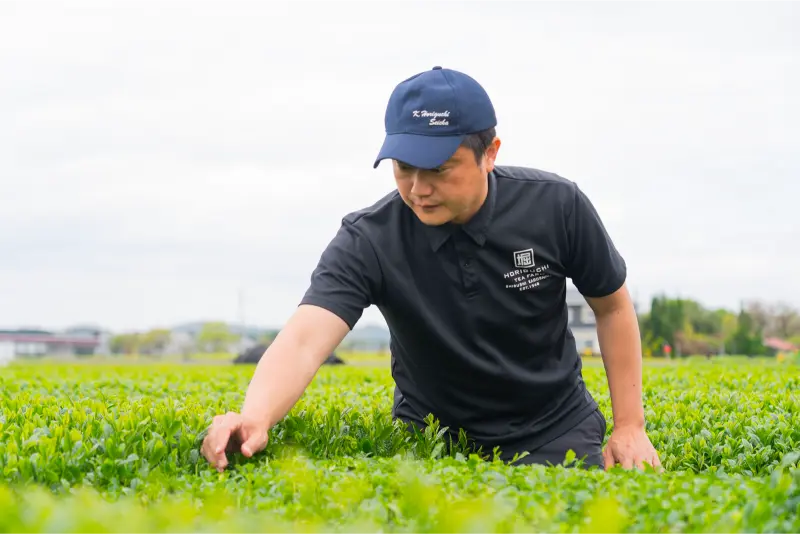
Buying matcha that comes directly from farms, or through partners who have close relationships with them, is a good way to ensure quality. This kind of connection means the tea is handled with care from the moment it’s picked. It also means you can often get more information about how the tea was grown and processed. It’s like cutting out the middleman to get a clearer picture of the tea’s journey.
The Importance of Direct Partnerships with Farms
Evaluating Brand Reputation and Transparency
Look into the brands you’re considering. Do they talk about where their matcha comes from? Do they share information about the farmers or the tea masters who blend it? A brand that is open about its sourcing and production methods is usually a good sign. It shows they stand behind their product and want you to know its story. It’s about trust and knowing you’re getting something genuine.
Beyond the Cup: Matcha’s Versatility
Matcha is so much more than just a traditional tea. Its vibrant color and unique flavor profile make it a fantastic ingredient that can be used in all sorts of creative ways. Think beyond the simple bowl of whisked tea; matcha can transform everyday drinks and dishes into something special.
Matcha in Beverages: Lattes, Smoothies, and Beyond
When it comes to drinks, matcha lattes are probably the most popular way people enjoy matcha outside of traditional preparation. The rich, slightly vegetal taste of good quality matcha, especially from regions like Uji or Yame in Japan, pairs wonderfully with steamed milk and a touch of sweetener. It creates a creamy, satisfying drink that’s both energizing and comforting. But don’t stop there! Matcha also blends beautifully into smoothies, adding a nutritional boost and a lovely green hue. It can even be added to cold brews or iced teas for a refreshing twist.
Culinary Applications: Desserts and Baked Goods
The culinary uses for matcha are vast. Its distinct flavor can add a sophisticated depth to sweets. Imagine delicate matcha cookies, rich chocolate cakes with a matcha swirl, or creamy matcha ice cream. The key is using a matcha that has a good balance of flavor – not too bitter, not too weak. High-quality matcha from Japan, like those carefully cultivated in Yame, often has a natural sweetness and a smooth finish that works exceptionally well in baked goods and desserts. It provides a beautiful color, too, making your creations visually appealing.
The Role of Matcha in Modern Gastronomy
Chefs and food creators are increasingly incorporating matcha into their work. It’s not just for sweets anymore. Matcha can be used in savory dishes, too, adding an unexpected layer of flavor. Think matcha-infused sauces, marinades for fish or chicken, or even as a seasoning for popcorn. Its versatility means it can be adapted to many different culinary styles. When selecting matcha for these applications, consider its grade. A premium café grade, like those expertly crafted in Yame, often has a bolder flavor that stands up well to other ingredients, making it a reliable choice for professional kitchens and adventurous home cooks alike.
Preserving the Emerald Jewel: Storage and Freshness
Matcha, with its vibrant color and delicate flavor, is a precious ingredient. To keep it at its best, proper storage is key. Think of it like keeping a fine jewel protected. Exposure to light, air, and heat are its enemies.
Optimal Storage Conditions for Matcha
Once you open a tin or bag of high-quality matcha, especially from renowned regions like Uji or Yame in Japan, its freshness begins to fade. The best way to slow this down is to keep it in an airtight container. Many traditional Japanese tea canisters, like those made by artisans, are designed specifically for this purpose. They often have a tight-fitting lid that minimizes air exposure.
- Keep it cool: Store your matcha in a cool, dry place. A pantry or cupboard away from heat sources is ideal.
- Avoid light: Light can degrade the quality and color of matcha. Opaque containers are best.
- Minimize air: Oxygen is a major factor in oxidation. Ensure your container is sealed tightly after each use.
Understanding Shelf Life and Best Before Dates
Matcha doesn’t really ‘spoil’ in the way that fresh food does, but its quality diminishes over time. The vibrant green color will start to fade, and the fresh, vegetal aroma and rich umami flavor will become less pronounced.
- Unopened: Matcha can last for about a year if kept unopened in its original packaging, especially if it’s vacuum-sealed. However, the peak flavor is usually within the first few months.
- Opened: Once opened, it’s best to consume your matcha within 4-6 weeks for the optimal taste experience. Some sources suggest up to 3 months if stored perfectly, but the flavor will be noticeably different.
- Visual Cues: If your matcha has turned a dull, yellowish-green, or smells stale, it’s past its prime for drinking straight. It might still be usable for baking or smoothies where the flavor is less critical, but it won’t have that bright, fresh character.
The Function of Specialized Tea Canisters
Specialized tea canisters, often made from materials like tin-plated steel or ceramic with tight-fitting lids, play a vital role. These aren’t just pretty containers; they are designed to protect the matcha from its enemies.
The goal is to create a barrier against the elements that cause degradation. A good canister helps maintain the integrity of the delicate tea leaves, preserving their color, aroma, and flavor for as long as possible. This is especially important for premium matcha, where every nuance of flavor is a result of careful cultivation and processing in places like Yame.
Some canisters even have an inner screen, which can help sift the matcha directly before preparation, ensuring a smooth, clump-free bowl every time. This attention to detail in storage reflects the same care taken in the tea’s cultivation and production.
Finding Your Perfect Matcha
So, we’ve walked through what makes matcha special, from its vibrant color to its unique taste. Remember, the best matcha for you depends on what you’re looking for. Whether you want a bright, smooth cup for your morning latte or a deep, complex flavor for a quiet moment, paying attention to the details like origin, grade, and even how it’s processed can make a big difference. Don’t be afraid to try different kinds. Each bowl offers a little journey, and finding your favorite is part of the fun. Enjoy exploring the world of matcha!
Read more: Where to Buy Matcha in Bulk: A Comprehensive Guide for 2025


Quicl access to
You may also be interested in
Discover Where Matcha is Grown in Japan: A Deep Dive into Cultivation Regions
So, you’re curious about where matcha comes from, huh? It’s not just grown anywhere, you...
Nov
Wholesale Matcha Whisk: The Best Deals for Your Business
We’re always on the lookout for ways to improve our business, and that includes finding...
Nov
Mastering the Art: A Simple Guide on How to Mix Matcha for the Perfect Cup
So, you’ve got some matcha powder and you’re ready to make a cup, but you’re...
Oct
Is Matcha Just Ground Green Tea? Unpacking the Differences
Lots of people wonder if matcha is just regular green tea, but ground up. It’s...
Nov
Our Top Ten Tokyo Tea Destinations PD
Every year, around April and May, the Japanese tea world is thrust into “Shincha Season”....
Aug
Is Matcha Only Grown in Japan? Exploring Global Matcha Cultivation
You might think that matcha, with its deep green color and rich history, is something...
Oct