

Industry News, News
What Color Should Matcha Powder Be? Understanding the Vibrant Green
Nov
Ever wondered about that vibrant green color in your matcha? It’s not just for looks! The shade of matcha powder can tell you a lot about its quality, from how it was grown to how it will taste. Let’s explore what color your matcha powder should be and why it matters.
Key Takeaways
- The ideal matcha powder color is a bright, vivid green. Dull or yellowish shades usually mean lower quality.
- Shade-grown tea leaves, harvested at their peak, and careful processing all contribute to that desirable emerald hue.
- Different regions in Japan, like Uji and Yame, have their own signature green tones, reflecting unique growing and processing methods.
- Color is a good indicator of flavor; a rich green often means a more umami and sweet taste.
- Proper storage is key to keeping your matcha powder in its vibrant green color and preserving its freshness.
The Emerald Spectrum: Understanding Matcha’s Vibrant Hue
Matcha’s color is often the first thing that catches our eye, and for good reason. That intense, vibrant green isn’t just pretty; it’s a direct indicator of the tea’s quality and how it was grown and processed. Think of it like a painter choosing their pigments – the richer and more pure the color, the more impactful the final artwork. For matcha, that artwork is a delicious and healthful cup of tea.
The Significance of Color in Matcha Quality
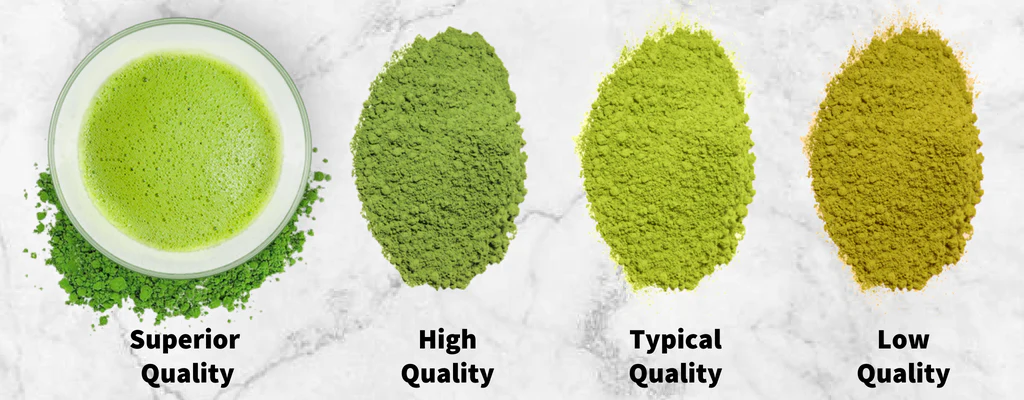
The shade of green in matcha powder tells a story. Generally, a deeper, more vivid green suggests that the tea leaves used were young, tender, and grown under specific shade conditions. This careful cultivation is what allows the leaves to develop higher concentrations of chlorophyll and L-theanine, compounds that contribute to both the color and the unique flavor profile of matcha. Lower grades, on the other hand, might appear more yellowish or brownish, often indicating older leaves or a less meticulous processing method. The brighter and more intense the green, the more likely you’re looking at a high-quality matcha.
The Significance of Color in Matcha Quality
Distinguishing True Green from Deceptive Tones
It’s not always as simple as just looking for the greenest powder. Sometimes, color can be misleading. For instance, some lower-quality matcha might be artificially colored to appear more vibrant, which is, of course, not ideal. True matcha gets its color from the natural pigments in the tea leaves. You’ll notice that premium matcha, such as that from the renowned regions of Uji in Kyoto or Yame in Fukuoka, often has a rich, almost jewel-toned green hue. This natural vibrancy is distinct from any artificial enhancement. It’s a color that speaks of careful cultivation and traditional processing, a hallmark of authentic Japanese matcha.
The Role of Pigmentation in Matcha’s Visual Appeal
Chlorophyll is the star player here. The more chlorophyll present in the tea leaves, the deeper and more radiant the green of the matcha powder. This pigment is developed through a process called shading, where tea plants are covered for several weeks before harvest. This technique not only boosts chlorophyll but also increases the L-theanine content, which contributes to matcha’s characteristic umami flavor and smooth mouthfeel. The visual appeal of matcha is intrinsically linked to its nutritional and flavor components. A beautiful green hue is a visual promise of the rich, complex taste and healthful benefits to come, especially when you’re experiencing matcha from Japan’s most esteemed tea-growing areas.
Factors Influencing Matcha’s Verdant Color
The color of matcha powder is a direct indicator of its quality and freshness. Several factors, deeply rooted in the cultivation and processing of the tea leaves, play a significant role in determining that vibrant green hue. Understanding these elements helps us appreciate the nuances that lead to a truly exceptional matcha.
Cultivation Techniques and Shade-Grown Leaves
The most critical factor influencing matcha’s color is how the tea plants are grown. For high-quality matcha, tea bushes are covered and shaded from direct sunlight for about 20 to 30 days before harvest. This process, known as ‘oishita’ in Japanese, significantly impacts the leaves’ chemical composition.
- Increased Chlorophyll: Shading forces the tea plants to produce more chlorophyll to capture the limited sunlight. This higher concentration of chlorophyll is what gives premium matcha its intense, vibrant green color.
- Amino Acid Development: Shading also boosts the production of L-theanine, an amino acid responsible for matcha’s characteristic umami flavor and smooth mouthfeel. While not directly visible, the increased L-theanine often correlates with a richer green.
- Reduced Tannins: Shaded leaves develop fewer tannins, which can lead to a less bitter and more mellow flavor profile. This also contributes to a brighter green, as tannins can sometimes impart a duller, yellowish tone.
Without proper shading, the leaves would develop a more yellowish-green color and a harsher, more astringent taste, more akin to standard green tea.
Harvest Timing and Leaf Maturity
When the tea leaves are picked also affects their color and quality. Matcha is typically made from the youngest, most tender leaves, which are harvested in the spring.
- First Flush (Ichibancha): The leaves harvested during the first flush (usually in April or May in Japan) are the most prized. They are young, tender, and have the highest concentration of chlorophyll and amino acids, resulting in the most vibrant green color and the richest flavor.
- Later Flushes: Leaves from subsequent harvests (second or third flush) are more mature. While still usable for some grades of matcha, they generally have a less intense green color and a more pronounced, sometimes bitter, flavor.
The timing of the harvest is paramount; early spring leaves yield the most brilliant green.
Processing Methods: From Leaf to Powder
Once harvested, the leaves undergo a series of meticulous processing steps that preserve their color and quality.
- Steaming: Immediately after picking, the leaves are steamed. This crucial step halts oxidation, preventing the leaves from turning brown and preserving their bright green color. This is a key difference between matcha and many other types of green tea, which are often pan-fired.
- Cooling and Drying: The steamed leaves are then cooled and dried. This process reduces moisture content, preparing them for the next stage.
- De-stemming and De-veining: The dried leaves, now called ‘tencha,’ are carefully de-stemmed and de-veined. Only the leaf flesh is used for matcha. This meticulous separation ensures a smooth texture and a pure green color, free from the coarser parts of the leaf.
- Stone Grinding: Finally, the tencha is slowly ground into a fine powder using traditional stone mills. This slow grinding process (typically taking about 30-40 minutes per 30 grams) prevents the powder from overheating, which could degrade its color and flavor. The result is a superfine powder with a consistent, vivid green hue.
Each of these steps is performed with great care, especially in regions like Uji and Yame, known for their dedication to traditional matcha craftsmanship. The precision in processing directly translates to the final powder’s visual appeal and taste.
Regional Terroir and Color Variations
The color of matcha isn’t just a pretty sight; it’s a direct reflection of where the tea was grown and how it was cultivated. Japan, with its diverse climates and long-standing tea traditions, offers distinct regions that contribute unique characteristics to matcha, especially its vibrant green hue.
The Uji Influence: A Classic Kyoto Green
Uji, located in Kyoto Prefecture, is often called the birthplace of matcha. The region’s history and dedication to tea cultivation mean that matcha from Uji is known for a deep, rich emerald green. This classic hue is a hallmark of high-quality Uji matcha, often associated with a sophisticated, savory umami flavor profile. The careful cultivation and processing methods passed down through generations in Uji contribute to this signature color and taste.
Yame’s Distinctive Emerald Hues
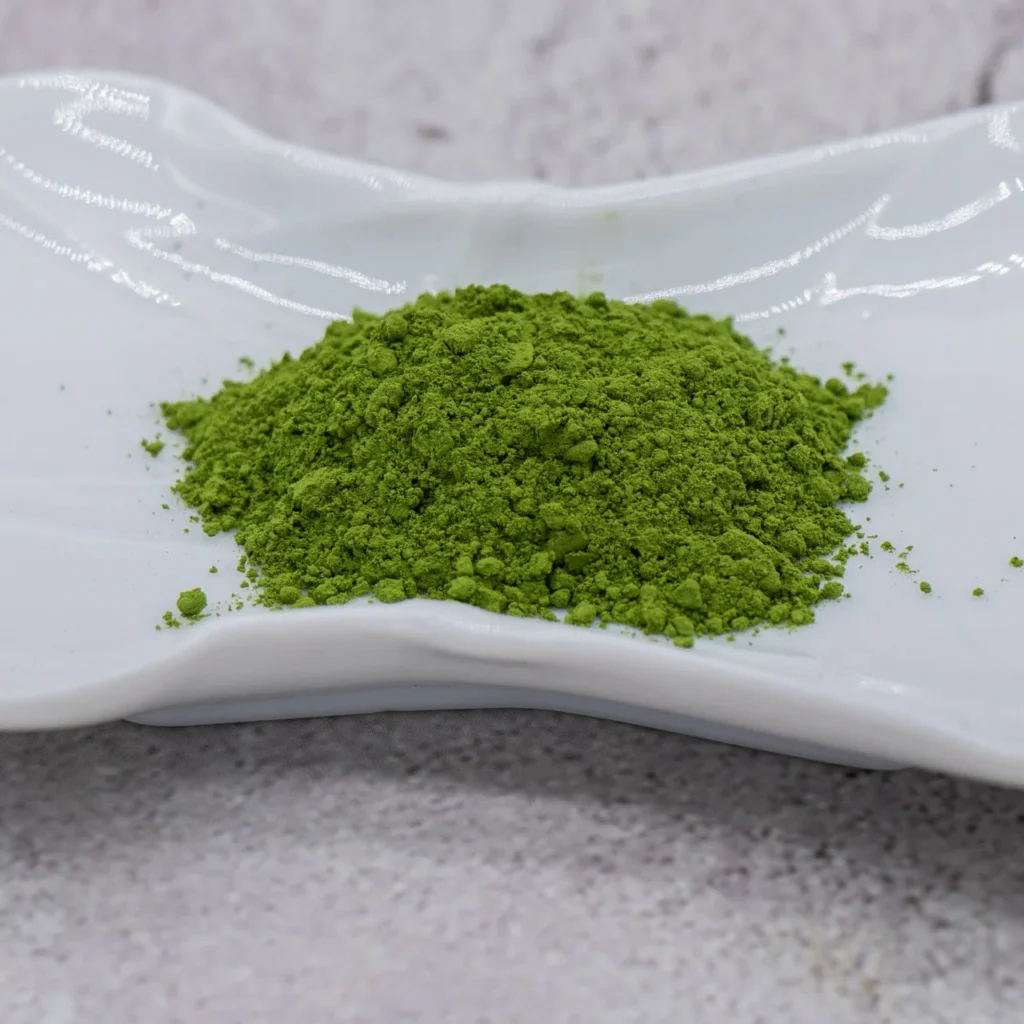
Moving to Fukuoka Prefecture, the Yame region offers another celebrated source of Japanese matcha. Yame matcha is recognized for its own beautiful green, often described as a bright, vivid emerald. This distinct color is linked to the region’s misty mountains and specific cultivation techniques. While still vibrant, Yame matcha might present a slightly different shade compared to Uji, sometimes leaning towards a more luminous green, often paired with a balanced sweetness and smooth finish.
Yame’s Distinctive Emerald Hues
Comparing Regional Color Signatures
While both Uji and Yame produce exceptional matcha with striking green colors, there are subtle differences that tea enthusiasts can appreciate. Uji’s classic green often speaks of deep tradition and a profound umami, while Yame’s emerald can suggest a bright, refined elegance. These variations are not about one being better than the other, but rather about the unique expression of terroir.
| Region | Typical Color Hue | Associated Flavor Profile |
|---|---|---|
| Uji (Kyoto) | Deep Emerald Green | Savory Umami, Rich, Mellow |
| Yame (Fukuoka) | Vivid Emerald Green | Balanced Sweetness, Smooth, Refreshing |
Understanding these regional nuances helps in appreciating the full spectrum of what high-quality Japanese matcha has to offer. It’s a reminder that the journey from leaf to cup is deeply connected to the land it comes from.
Beyond the Surface: Flavor and Color Interplay
How Color Correlates with Umami and Sweetness
The vibrant green of matcha isn’t just for show; it’s a direct indicator of the tea’s quality and, consequently, its flavor. Think of it like this: the brighter and more intense the green, the more chlorophyll the leaves contained when they were processed. This chlorophyll is a key player in developing that sought-after umami, that deep, savory taste that makes matcha so unique. When you see a vivid, almost electric green, you’re likely looking at a matcha that was grown in the shade for an extended period, a practice common in regions like Uji, Kyoto. This shade-growing process boosts chlorophyll production, leading to that rich umami and a subtle, natural sweetness. On the other hand, a duller, yellowish, or brownish hue often suggests the leaves were exposed to more sunlight, or perhaps harvested later in the season. This can result in a more bitter taste and less of that delightful umami depth. So, that beautiful green is really a visual promise of a more complex and satisfying flavor experience.
The Visual Cues of a Rich Matcha Experience
When you’re looking at matcha powder, the color tells a story. A truly premium matcha, like those from the esteemed regions of Yame or Uji, will present a striking emerald green. This isn’t just a superficial trait; it’s tied to the tea’s chemical composition. High chlorophyll content, a result of careful shade cultivation, is what gives matcha its intense color. This same chlorophyll contributes to the tea’s smooth, full body and its characteristic umami flavor. You’ll notice that the finer the powder and the more consistent its color, the better the quality. It should look almost like fine jewel dust. If you see a lot of color variation, or if it leans towards yellow or brown, it’s a sign that the leaves might not have been as young or as well-shaded, potentially leading to a more astringent or bitter taste. The visual appeal of matcha is intrinsically linked to its flavor profile.
Assessing Quality Through Color and Taste
It’s fascinating how much you can tell about matcha just by looking at it, but the real test, of course, is in the tasting. The color is a strong predictor, but it’s not the whole story. A brilliant green color, especially the deep emerald shades you find in authentic Japanese matcha from places like Uji, Kyoto, is a good sign. It suggests a high chlorophyll content, which usually translates to a rich umami flavor and a pleasant, subtle sweetness. However, even a beautifully colored matcha can be disappointing if it’s not processed correctly. Conversely, a matcha that might not be the most vibrant green could still offer a delightful taste if it’s well-balanced. The best approach is to use color as an initial guide and then confirm your assessment with a taste test. Look for that smooth, creamy texture and the absence of harsh bitterness. The interplay between the visual promise of the color and the actual taste is what truly defines a high-quality matcha. It’s about finding that perfect balance that makes the matcha powder’s flavor, color, and grade so captivating.
Preserving the Pigment: Storage and Handling
Matcha’s vibrant green color is a sign of its freshness and quality. Once you have a beautiful tin of high-grade matcha, perhaps from the renowned regions of Uji or Yame, you’ll want to keep it that way. Proper storage is key to maintaining that emerald hue and the delicate flavors within.
The Impact of Light and Air on Color
Think of matcha powder like a delicate flower. Exposure to light and air can cause it to fade, much like how sunlight can bleach petals. Oxygen can cause oxidation, which degrades the chlorophyll responsible for that rich green color. This process also affects the taste, making the matcha taste dull or even stale.
- Light: Direct sunlight is matcha’s enemy. It breaks down the pigments and can quickly turn your vibrant green powder into a dull, yellowish-brown.
- Air: Oxygen causes oxidation. Every time you open the tin, air gets in, and the matcha begins to degrade. This is why airtight containers are so important.
- Heat: While not directly related to color fading in the same way as light and air, heat can accelerate the degradation process of the tea’s compounds, impacting both color and flavor.
Optimal Storage Solutions for Matcha
To protect your precious matcha, the best approach is to keep it away from light and air. Here are some practical ways to do that:
- Original Container: Many high-quality matcha tins, especially those from Japan, are designed to be airtight and opaque. If yours is, keeping the matcha in its original tin is often the best first step.
- Airtight Canisters: If you transfer your matcha to another container, choose one that seals tightly. Opaque materials like dark glass, ceramic, or lacquered metal (like traditional Japanese tea caddies, or natsume) are ideal. Avoid clear containers that let light through.
- Refrigeration: For long-term storage, the refrigerator is a good option. However, it’s crucial to ensure the container is completely airtight. When you take it out, let it come to room temperature before opening it to prevent condensation from forming inside, which can damage the powder.
Maintaining Vibrancy Over Time
Even with the best storage, matcha is a fresh product and will eventually lose its peak vibrancy. The goal is to slow this process as much as possible.
- Buy Smaller Quantities: If you don’t use matcha very frequently, consider purchasing smaller tins more often. This ensures you’re always using the freshest possible product.
- Use Promptly: Ideally, matcha is best consumed within a few weeks to a couple of months after opening. While it remains safe to drink for longer, the color and flavor will gradually diminish.
- Sift Before Use: Sifting matcha right before you prepare it can help aerate the powder slightly and break up any small clumps that might have formed, contributing to a smoother texture and a more even color distribution in your bowl.
The journey of matcha from leaf to cup is a delicate one. Protecting its vibrant green color through mindful storage is not just about aesthetics; it’s about preserving the integrity of the tea’s flavor and aroma, honoring the care taken in its cultivation and processing.
The Art of Matcha Grading and Color
Matcha isn’t just one shade of green; its color is a direct reflection of its grade and quality. Think of it like a painter’s palette, where subtle shifts in hue tell a story about the tea’s journey from leaf to cup. Understanding these differences is key to appreciating what makes a truly exceptional matcha.
Ceremonial vs. Culinary Grade Color Differences
When you’re looking at matcha, the first thing you’ll likely notice is its color. This is especially true when comparing ceremonial grade to culinary grade. Ceremonial grade matcha, intended for traditional preparation like usucha (thin tea), is typically a more vibrant, almost electric green. This intense color comes from using the youngest, most tender tea leaves, often from the first harvest. These leaves are carefully shaded before plucking, which boosts chlorophyll production, leading to that brilliant hue. The processing is also very delicate, preserving the leaf’s natural color and nutrients.
Culinary grade matcha, on the other hand, is made from older leaves and might be harvested later in the season. While still green, its color is often a bit more muted, sometimes leaning towards a yellowish-green or even a duller olive tone. This isn’t to say it’s bad matcha; it’s just optimized for different uses. Its stronger flavor profile can stand up to milk, sugar, and baking ingredients, where the subtle nuances of ceremonial grade might get lost. The color difference is a visual cue that helps you choose the right matcha for your intended purpose. For instance, a premium grade like Hana Midori Matcha offers a beautiful balance for daily enjoyment and lattes, showcasing a lovely green that hints at its quality.
Premium Grades: A Spectrum of Green
Within the premium categories, you’ll find a fascinating spectrum of green. High-quality matcha, whether from the renowned Uji region of Kyoto or the esteemed tea fields of Yame in Fukuoka, will exhibit a rich, deep emerald color. This signifies a high concentration of chlorophyll and antioxidants, a result of meticulous cultivation and processing. For example, Ren Matcha, a premium blend from Uji, Kyoto, is known for its classic, deep emerald hue, reflecting its heritage and quality.
Factors like the specific cultivars used and the precise timing of the harvest play a significant role. Younger leaves, harvested earlier, tend to produce a brighter, more intense green. As the season progresses, the leaves mature, and the resulting matcha might have a slightly deeper, more subdued green, but still with a lively vibrancy. This variation is not a sign of lower quality, but rather a characteristic of the specific tea’s origin and harvest. It’s a subtle art, and the color is one of the first indicators of the care taken in its production.
Identifying High-Quality Matcha by Its Color
So, how do you use color to identify high-quality matcha? Look for a vivid, consistent green. Avoid powders that appear dull, yellowish, or brownish, as these often indicate older leaves, improper storage, or oxidation. A bright, lively green suggests freshness and that the tea was likely grown and processed with care.
Think about the difference between a freshly picked spring leaf and one that’s been sitting out for a while. The fresh leaf is vibrant; the older one loses its luster. The same principle applies to matcha. The most visually appealing matcha will have a rich, jade-like or emerald green color. This visual cue, combined with a smooth texture and a pleasant aroma, points towards a superior product. While color is a strong indicator, remember it’s just one piece of the puzzle. The taste and aroma are equally important in assessing the overall quality of your matcha.
The Lasting Impression of Matcha’s Green
So, when you look at your matcha powder, remember that its vibrant green color is more than just a pretty sight. It’s a sign of freshness, quality, and careful cultivation. From the shade-grown leaves to the meticulous grinding, every step plays a part in creating that beautiful emerald hue. It’s a visual promise of the rich flavor and healthful benefits waiting in your cup. Think of that green as the tea’s way of saying, ‘I’m here, and I’m good.’ It’s a simple indicator, but it tells a whole story about the journey from farm to your tea bowl.
Read more: Is Matcha Just Ground Green Tea? Unpacking the Differences


Quicl access to
You may also be interested in
What is Starbucks Matcha Made Of? Unpacking the Ingredients
Ever wondered what exactly goes into that vibrant green matcha latte you get at Starbucks?...
Oct
Why “Ceremonial Grade” is Meaningless PD
Every year, around April and May, the Japanese tea world is thrust into “Shincha Season”....
Aug
Where to Buy Matcha Wholesale: Your Ultimate Guide
Looking to buy matcha wholesale? We get it. Finding the right supplier is a big...
Nov
The Ultimate Guide to Buying Bulk Matcha Tea Powder for Your Business
Buying bulk matcha tea powder for your business might seem a bit daunting at first,...
Oct
Do You Need a Matcha Whisk? Essential Tools for the Perfect Matcha
We’ve been exploring the world of matcha and realized that getting the perfect cup isn’t...
Oct
Does Matcha Give Anxiety? Understanding the Caffeine Connection
So, you’ve heard about matcha. It’s that bright green powder people mix into drinks, and...
Nov