

Industry News, News
Is Matcha Toxic? Unpacking the Health Benefits and Potential Risks

Nov
Matcha, that bright green powder, has become super popular. You see it everywhere, from fancy cafes to home kitchens. But with all the buzz about its health perks, some people wonder, ‘is matcha toxic?’ It’s a fair question to ask when you’re trying something new, especially something with such a strong flavor and vibrant color. Let’s break down what matcha is, where it comes from, and what you should know before you start sipping.
Key Takeaways
- Matcha is made from finely ground green tea leaves, meaning you consume the whole leaf, not just an infusion.
- High-quality matcha comes from shade-grown tea plants, typically in Japan.
- The vibrant green color and rich flavor are hallmarks of good matcha.
- Different grades of matcha exist, suited for different uses like drinking or cooking.
- While generally safe, it’s wise to be aware of the source and quality of your matcha.
Unveiling The Verdant Elixir: Is Matcha Truly Toxic?
Matcha, that vibrant green powder, has taken the world by storm. It’s everywhere, from fancy cafes to home kitchens. But with all the buzz, a question sometimes pops up: is matcha actually safe to drink? The short answer is yes, for most people, matcha is perfectly safe and even beneficial. The concern about toxicity often stems from misunderstandings about its composition and how it’s produced.
Matcha is essentially finely ground whole green tea leaves. Unlike regular steeped green tea, where you discard the leaves, with matcha, you consume the entire leaf. This means you get a more concentrated dose of everything the tea plant offers – the good and, potentially, anything else.
The Mystique Of Matcha
Matcha’s allure comes from its rich history and unique preparation. Traditionally grown in shaded tea fields, the leaves are steamed, dried, and then meticulously stone-ground into a fine powder. This process, especially when done with care in regions like Uji or Yame in Japan, preserves the plant’s natural compounds. The mystique isn’t just about the taste; it’s about the ritual, the color, and the perceived health benefits.
A Deeper Look At Matcha’s Composition
Matcha is packed with beneficial compounds like antioxidants (especially EGCG), L-theanine, and caffeine. However, like many plants grown in soil, it can absorb elements from its environment. The primary concern sometimes raised is the potential for heavy metals, particularly lead, to be present in the soil and subsequently absorbed by the tea plants. This is a natural process for any plant grown in the ground.
| Potential Contaminant | Typical Source | Impact on Matcha | Mitigation |
|---|---|---|---|
| Lead | Soil, Air Pollution | Can be absorbed by tea plants | Sourcing from clean environments, rigorous testing |
| Pesticides | Agricultural Practices | Can be present if not organically grown | Organic farming, testing |
Navigating The Nuances Of Consumption
The key to enjoying matcha safely lies in its sourcing and quality. High-quality matcha, particularly from renowned regions in Japan like Uji and Yame, is typically grown in environments with strict agricultural standards. Reputable producers often test their matcha for contaminants. Choosing matcha that is organically grown and sourced from trusted suppliers significantly minimizes any potential risks. It’s about understanding that not all matcha is created equal, and the origin story matters.
The vibrant green hue and rich flavor of authentic Japanese matcha are not accidental. They are the result of careful cultivation, meticulous processing, and a deep respect for the tea plant and its environment. When these elements are honored, the resulting powder is not only safe but also a source of profound well-being.
The Artistry Of Matcha Cultivation And Its Impact
Terroir And Tradition: The Essence Of Japanese Matcha
Matcha isn’t just a powder; it’s a product of specific environments and time-honored practices. The very soil and climate where the tea plants grow, known as terroir, play a huge role in the final taste and quality. Regions like Uji in Kyoto and Yame in Fukuoka are famous for their ideal conditions for growing high-quality matcha. Uji, with its long history, is considered the birthplace of matcha, and its teas are known for a deep, savory umami. Yame, on the other hand, often offers a richer, sweeter profile. Understanding these regional differences is key to appreciating authentic Japanese matcha.
From Leaf To Powder: The Meticulous Process
The journey from a tea leaf to the vibrant green powder we know as matcha is quite involved. It starts with shade-growing the tea plants for several weeks before harvest. This process increases the chlorophyll and L-theanine content, giving matcha its distinctive color and smooth, rich flavor. After picking, the leaves are de-stemmed and de-veined, then slowly stone-ground into a fine powder. This meticulous grinding is what gives matcha its unique texture and allows it to dissolve in water rather than steep.
Here’s a simplified look at the key steps:
- Shade Growing: Tea bushes are covered to reduce sunlight, boosting chlorophyll and amino acids.
- Harvesting: Only the youngest, most tender leaves are hand-picked.
- Processing: Leaves are steamed to stop oxidation, then dried.
- De-stemming & De-veining: Stems and veins are removed to create the pure leaf material called ‘tencha’.
- Stone Grinding: Tencha is slowly ground into a fine powder using stone mills.
Regional Signatures: Uji And Yame’s Distinctive Contributions
When you taste matcha, you’re tasting a piece of Japan’s rich agricultural heritage. The Uji region, near Kyoto, has been cultivating tea for centuries and is often seen as the historical heartland of matcha. Teas from Uji, like the Ren Matcha, are celebrated for their classic profile: a deep, savory umami with a smooth finish. Yame, located in Fukuoka Prefecture, has also gained renown for its exceptional matcha. Master Naoya Kawakami, a third-generation farmer from Yame, crafts teas like Hoshi and Hana Midori, which offer a slightly different character, often with a more pronounced sweetness and a beautifully balanced flavor. These regional signatures are a testament to the dedication and specific growing conditions that define authentic Japanese matcha.
The careful cultivation and processing of matcha are not just about creating a beverage; they are about preserving a tradition and honoring the land. Each step, from shading the plants to the slow stone-grinding, contributes to the final sensory experience. This dedication to quality is what sets true Japanese matcha apart.
Sensory Dimensions Of Premium Matcha
The Symphony Of Umami And Aroma
Matcha isn’t just a drink; it’s an experience that engages all your senses. The aroma is the first hint of what’s to come – often described as fresh, grassy, or even subtly oceanic. This delicate scent is a sign of high-quality tea leaves, carefully grown and processed. When you whisk matcha, especially from regions like Uji or Yame, you’ll notice a rich, savory flavor profile, known as umami. It’s a deep, satisfying taste that’s hard to find in other teas. This isn’t a sharp or bitter flavor, but rather a smooth, rounded richness that lingers pleasantly.
Visual Poetry: The Vibrant Emerald Hue
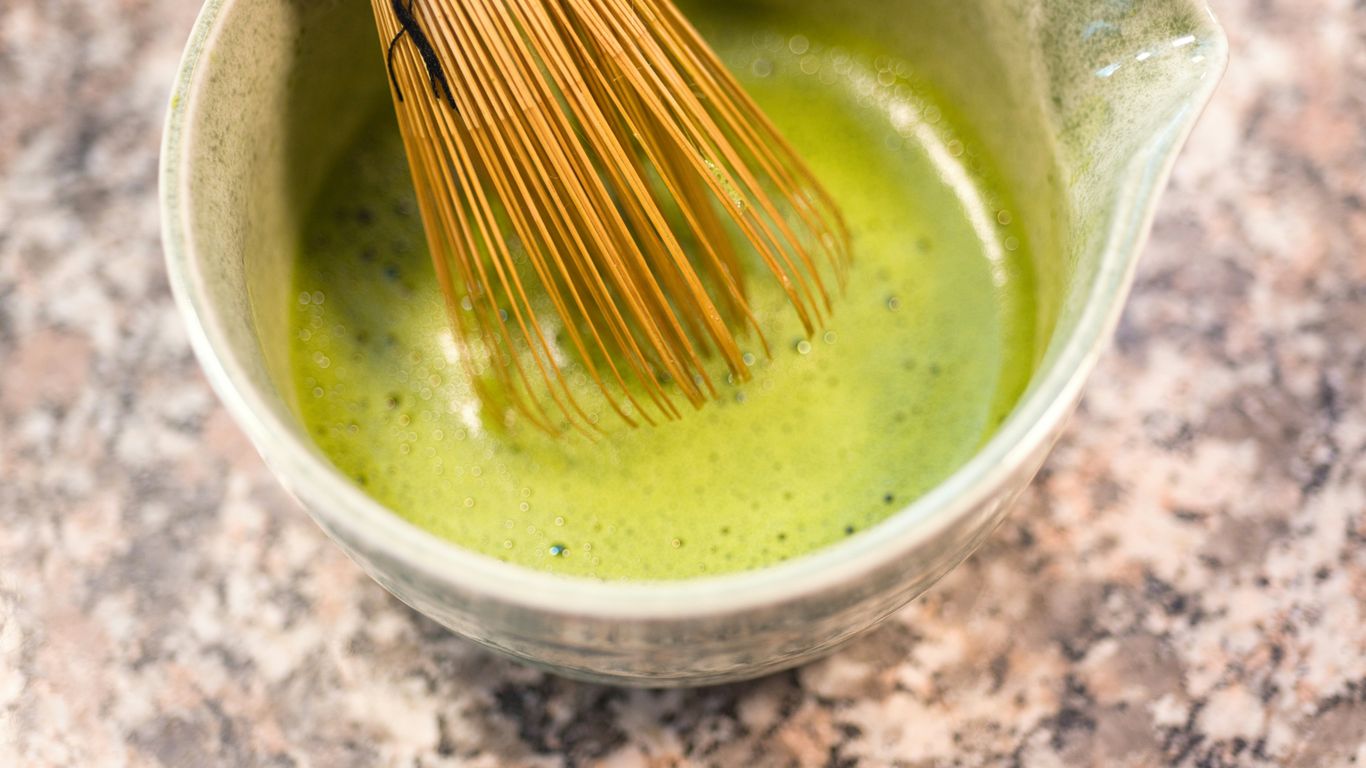
The color of matcha is a direct indicator of its quality. Premium matcha, like that from Japan’s renowned tea-growing areas, boasts a vibrant, deep emerald green. This intense color comes from the shade-growing process, where tea plants are covered for weeks before harvest. This method increases chlorophyll production, giving the matcha its striking hue. A duller, yellowish-green color often suggests lower quality or older tea.
Mouthfeel: A Dance Of Richness And Smoothness
When you take a sip of well-prepared matcha, the mouthfeel is just as important as the taste and color. High-grade matcha has a smooth, creamy texture that coats the palate. It’s often described as velvety or rich. This luxurious feel is a result of the fine powder created by traditional stone grinding. Unlike some teas that can feel thin or watery, premium matcha offers a substantial, satisfying body. This smooth texture is particularly noticeable when whisked properly, creating a delicate foam on top.
Exploring The Spectrum Of Matcha Grades
Matcha isn’t just one thing; it comes in different grades, and knowing them helps you pick the right one for what you want to do. It’s a bit like choosing paint – you wouldn’t use house paint for a detailed miniature, right? The same applies here.
Ceremonial Versus Culinary: A Tale of Two Grades
When people talk about matcha, they often think of the traditional tea ceremony. That’s where Ceremonial Grade comes in. This is the highest quality, made from the youngest tea leaves, ground into an incredibly fine powder. It’s meant to be whisked with water alone, letting its pure, delicate flavors shine. Think smooth, slightly sweet, with a rich umami that lingers. It’s a mindful experience, meant to be savored.
On the other hand, Culinary Grade matcha is made from older tea leaves. It’s still good quality, but it has a stronger, more robust flavor that can stand up to other ingredients. This is the grade you’d use if you’re making matcha lattes, smoothies, or baking. It gives a good color and a noticeable matcha taste without being too subtle.
Premium Café Grade: The Professional’s Choice
This is where things get interesting for cafes and businesses. Premium Café Grade is a bit of a sweet spot. It’s not quite as delicate as ceremonial, but it’s much smoother and more refined than a basic culinary grade. It’s specifically designed to work well in drinks with milk or sweeteners. It has a vibrant green color and a flavor that’s strong enough to be tasted but smooth enough not to be bitter when mixed. Many cafes in places like Uji and Yame, regions known for their exceptional tea, use this grade to create their signature lattes.
Understanding ‘Premium Grade’: Versatility and Excellence
When we talk about ‘Premium Grade’ at Anban Tea, especially from regions like Yame, we’re talking about a matcha that offers a beautiful balance. It’s versatile enough for daily drinking as a simple usucha (thin tea) but also performs wonderfully in lattes and other mixed beverages. It represents a commitment to quality that’s accessible for everyday enjoyment. It’s a step up from basic culinary grades, offering a smoother mouthfeel and a more nuanced flavor profile without the high cost of ceremonial grade. This makes it an excellent choice for those who appreciate quality in their daily cup, whether enjoyed purely or as part of a recipe.
Here’s a general idea of how these grades differ:
| Grade | Best For | Flavor Profile |
|---|---|---|
| Ceremonial | Traditional tea ceremony, drinking straight | Delicate, smooth, sweet, rich umami |
| Premium Café | Lattes, smoothies, mixed drinks, baking | Robust, smooth, vibrant color, stands up to milk |
| Culinary | Baking, smoothies, general cooking | Stronger, more assertive flavor, good color |
Choosing the right grade is key to enjoying matcha. It’s not about one being ‘better’ than another, but about finding the perfect match for your palate and your preparation.
The Master’s Touch: Expertise In Every Sip
The Philosophy Of Tea Master Naoya Kawakami
When you hold a cup of matcha, especially one crafted with true care, you’re holding more than just a beverage. You’re holding a piece of tradition, a moment of calm. Master Naoya Kawakami, a third-generation sencha farmer from Yame, embodies this philosophy. He believes that the pursuit of tranquility in a cup means striving for absolute purity in the tea itself. Any hint of bitterness or imperfection, he feels, distracts from that serene experience. It’s this dedication that guides his meticulous approach to tea cultivation and blending.
An Unwavering Commitment To Purity
Master Kawakami’s standards are incredibly high, and for good reason. He sees his precision not just as a skill, but as a way to show respect for the person who will eventually drink the tea. It’s about ensuring that nothing gets between you and that feeling of peaceful well-being. This commitment is why the origin of the tea leaves matters so much. Whether it’s the ancient soils of Uji in Kyoto or the misty mountains of Yame in Fukuoka, he honors the land as the true source of quality. This respect for the land and the process is what allows him to create teas that are an authentic expression of their noble origins.
The Guardian Of Serene Well-Being
Master Kawakami is more than just a tea maker; he’s a guardian of a peaceful experience. His partnership with Anban Tea is built on a shared vision: to bring moments of calm, or ‘Shanti’, to people around the world. He supervises our selection and blending processes, making sure that every product we offer is a worthy vessel for this vision. It’s about bridging the gap between Japan’s rich tea heritage and the modern need for a moment of peace. This dedication ensures that when you choose matcha, you’re choosing a product that’s been thoughtfully crafted from leaf to cup, aiming to provide a truly serene experience. For those seeking the benefits of matcha, understanding this dedication to quality is key to appreciating its full potential matcha health benefits.
Beyond The Brew: Matcha’s Culinary Canvas
Matcha’s vibrant color and unique flavor profile make it a versatile ingredient that goes far beyond a simple tea. Its powdered form allows it to be incorporated into a wide array of culinary creations, transforming everyday dishes and drinks into something special.
Elevating Lattes and Beverages
Matcha lattes have become incredibly popular, and for good reason. The rich, slightly vegetal taste of matcha pairs wonderfully with milk, whether dairy or non-dairy. When using high-quality matcha, like that from Yame, Japan, the flavor stands out, offering a complex umami that isn’t easily overpowered by sweeteners or milk. This is where the grade of matcha really matters. While ceremonial grade is best for traditional preparation, a premium café grade matcha, such as Hoshi Matcha, is specifically designed to hold its own in beverages. It provides a bold yet smooth flavor and a beautiful green hue that makes any drink visually appealing.
- Matcha Latte: A classic combination of matcha, steamed milk, and a touch of sweetener. The key is a matcha that blends well and has a flavor that cuts through the richness of the milk.
- Iced Matcha: Perfect for warmer weather, this involves whisking matcha with a little water and then pouring it over ice and milk or water.
- Matcha Smoothies: Blending matcha into smoothies adds a nutritional boost and a unique flavor dimension.
A Sophisticated Ingredient for Desserts
Beyond drinks, matcha brings an elegant touch to desserts. Its distinct taste can add depth to baked goods, ice creams, and confections. When baking with matcha, it’s important to consider its flavor intensity. A good quality matcha, like those from Uji, will impart a noticeable yet balanced flavor without becoming bitter. This is especially true for items like cakes, cookies, and pastries where the matcha flavor needs to be present but not overwhelming.
- Matcha Cookies: Simple butter cookies can be transformed with a teaspoon or two of matcha powder.
- Matcha Ice Cream: The vibrant green color and unique flavor make for a striking and delicious frozen treat.
- Matcha Mousse or Puddings: The powder can be incorporated into creamy bases for a sophisticated dessert.
The Role of Quality in Culinary Applications
Just as with drinking matcha straight, the quality of the matcha used in cooking and baking significantly impacts the final product. Lower-grade matchas might be more bitter or have a duller color, which can detract from the overall experience. Opting for matcha specifically suited for culinary use, or a premium grade that balances flavor and color, is key. For instance, a matcha from Uji, Kyoto is known for its refined taste and vibrant color, making it an excellent choice for both beverages and culinary creations where authenticity and quality are paramount. The meticulous cultivation and processing in regions like Uji and Yame result in a powder that performs beautifully, whether whisked into a latte or folded into a batter. Using high-quality matcha ensures your culinary creations are not only visually stunning but also deliver a truly authentic and delightful flavor.
When selecting matcha for culinary purposes, consider its flavor profile and color. A matcha that is too astringent might not be ideal for delicate desserts, while a dull color won’t provide the visual appeal that matcha is known for. Look for grades that are described as versatile or suitable for both drinking and cooking.
The Verdant Verdict
So, is matcha a health elixir or a hidden danger? It seems like the answer, as with most things in life, is somewhere in the middle. We’ve seen how this vibrant green powder packs a punch with its antioxidants and compounds that can help with focus and calm. It’s pretty amazing stuff, really. But, like that one friend who’s a little too much sometimes, it’s good to be aware of the potential downsides. Too much caffeine can make anyone jittery, and for some, certain compounds might not sit well. The key, it appears, is moderation and paying attention to your own body’s signals. Enjoying a mindful cup, understanding where your matcha comes from, and not going overboard seems to be the best approach. It’s a beautiful drink with a rich history, and when approached with a bit of awareness, it can certainly be a delightful part of a balanced lifestyle.
Read more: Discover Premium Bulk Ceremonial Matcha for Your Daily Ritual


Quicl access to
You may also be interested in
How Sencha is Made, Part 3: Shiage (Refining) PD
Every year, around April and May, the Japanese tea world is thrust into “Shincha Season”....
Aug
Is Matcha Cheaper in Japan? Exploring the Cost of Authentic Japanese Matcha
So, you’re wondering if buying matcha in Japan actually saves you money. It’s a pretty...
Oct
Can You Be Allergic to Matcha? Understanding the Risks and Symptoms
Matcha, that vibrant green tea powder, has become super popular. People love it in lattes,...
Oct
Can You Make Matcha From Green Tea? The Simple Answer and How-To Guide
So, you’re curious about matcha and wondering if it’s just a fancy name for green...
Nov
Is Matcha Just Ground Green Tea? Unpacking the Differences
Lots of people wonder if matcha is just regular green tea, but ground up. It’s...
Nov
Is Matcha Toxic? Unpacking the Health Benefits and Potential Risks
Matcha, that bright green powder, has become super popular. You see it everywhere, from fancy...
Nov