

Industry News, News
Is Matcha Plant Based? Unpacking the Origins of Your Green Tea
Nov
So, you’ve probably seen matcha everywhere lately. It’s in lattes, smoothies, even baked goods. And it’s all this vibrant green powder. But have you ever stopped to wonder, is matcha plant based? It seems like a simple question, right? Well, let’s break down where this popular green tea powder actually comes from and what that means for your diet.
Key Takeaways
- Matcha is made from the leaves of the Camellia sinensis plant, the same plant that gives us green, black, and oolong teas.
- The process involves shading the tea plants, harvesting the leaves, steaming them, drying them, and then grinding them into a fine powder.
- Traditional matcha is purely a plant-based product, with no animal ingredients involved in its cultivation or processing.
- Always check the ingredients list if you’re buying pre-made matcha products, as some might contain additives.
- Pure matcha powder itself is 100% plant-based and suitable for vegan and plant-based diets.
The Verdant Heart Of Matcha: Unveiling Its Plant-Based Essence
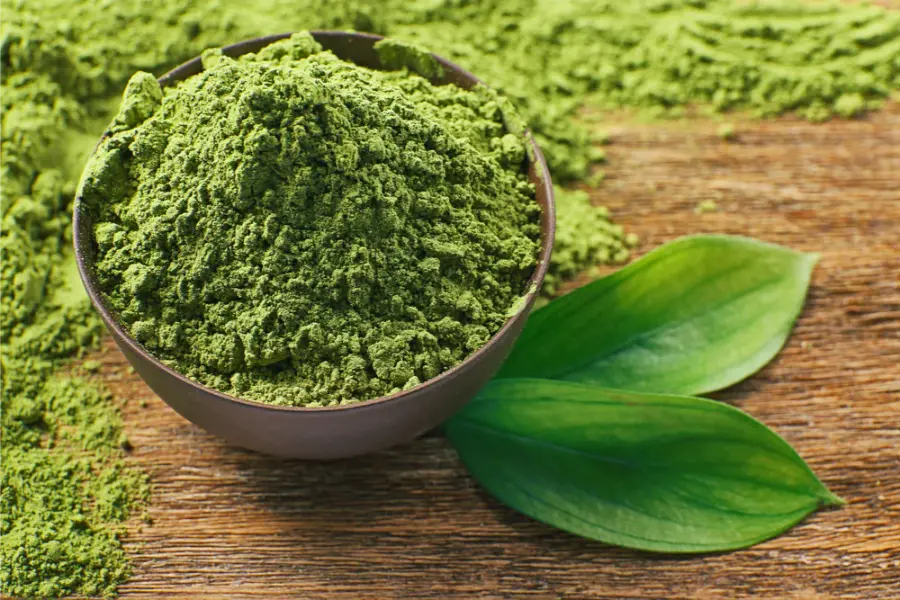
Matcha, at its core, is a celebration of the plant world. It’s a finely ground powder made from specially grown and processed green tea leaves. This means, unequivocally, that matcha is plant-based. There’s nothing else to it, really. It comes directly from the tea plant, Camellia sinensis, and that’s where its journey begins and ends, in its purest form.
The Verdant Heart Of Matcha: Unveiling Its Plant-Based Essence
From Leaf To Powder: The Matcha Transformation
The transformation of a tea leaf into the vibrant green powder we know as matcha is a fascinating process. It starts with shade-growing the tea plants for several weeks before harvest. This shading increases chlorophyll and amino acid content, giving matcha its characteristic deep green color and rich flavor. After harvesting, the leaves are de-stemmed and de-veined, then slowly dried. The final step is a meticulous grinding process, traditionally done with stone mills, to create the ultra-fine powder. This careful cultivation and processing are what give matcha its unique qualities.
Cultivation’s Embrace: Where Matcha Begins
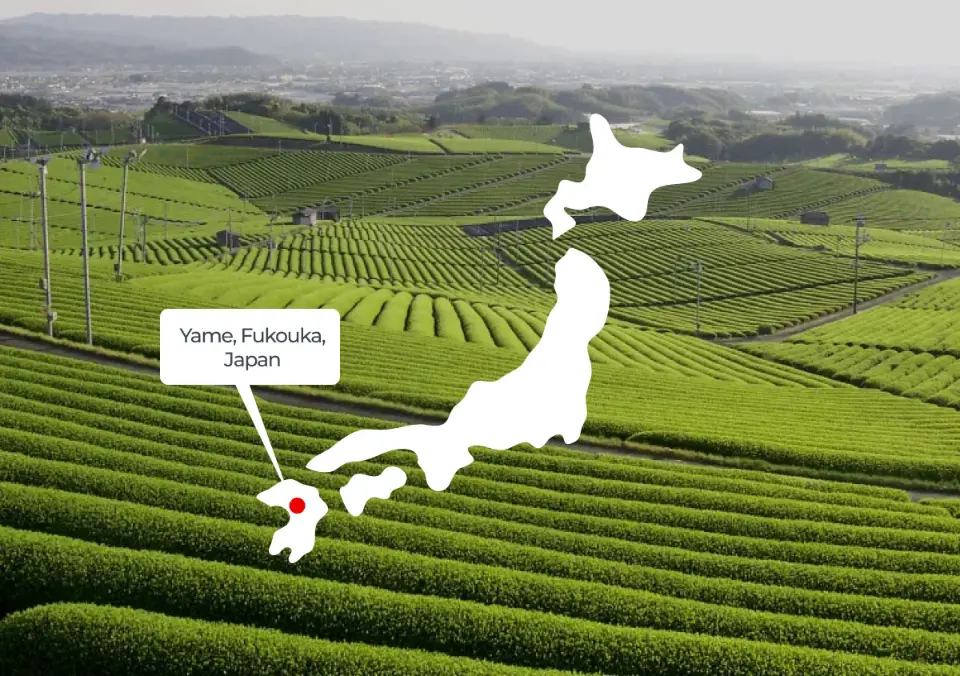
Matcha’s story is deeply rooted in the soil and climate where its parent plant, Camellia sinensis, thrives. The specific conditions of its cultivation are what set it apart. Think of the misty mountains of Yame in Fukuoka or the historic tea fields of Uji in Kyoto. These regions, with their unique terroirs, provide the ideal environment for growing the tea bushes that will eventually become matcha. The care taken from the very beginning, from the soil to the shading of the leaves, is paramount.
The Essence Of Camellia Sinensis
At the heart of matcha is the Camellia sinensis plant. This single species is the source of all true teas, including green tea, black tea, oolong, and white tea. What differentiates them is how the leaves are processed after harvesting. For matcha, the leaves are treated in a way that preserves their vibrant green color and nutritional profile, then ground into a fine powder. It’s a testament to the versatility of this one remarkable plant.
Geographical Whispers: The Terroir Of True Matcha
Kyoto’s Ancient Roots: The Uji Legacy
When we talk about matcha, especially the kind that whispers tales of tradition and quality, the conversation often begins in Uji, a small city within Kyoto Prefecture. For centuries, Uji has been the cradle of Japanese tea cultivation, and it’s here that matcha truly found its soul. The soil, the climate, the meticulous care passed down through generations – it all contributes to what makes Uji matcha so special. Think of it as the birthplace, the place where the art of matcha was first perfected. The teas from this region are known for their deep, savory umami and a rich, mellow body that feels incredibly smooth. It’s a classic profile, one that many consider the benchmark.
Fukuoka’s Embrace: The Yame Terroir
Moving south, we find another gem in Fukuoka Prefecture: Yame. While Uji might be the historical heart, Yame has carved out its own significant place in the world of premium Japanese green teas, including matcha. The misty mountains and fertile land here create a unique environment. Yame matcha often presents a slightly different character than its Uji counterparts. It’s frequently celebrated for its bright, refreshing notes and a pleasant, subtle sweetness, making it wonderfully versatile. This region is home to tea masters like Naoya Kawakami, whose dedication to quality ensures that Yame matcha is not just a drink, but an experience.
Fukuoka’s Embrace: The Yame Terroir
Beyond Borders: Global Matcha Cultivation
While Japan, particularly Uji and Yame, holds the historical and cultural significance for true matcha, the plant itself, Camellia sinensis, is grown in various parts of the world. Countries like China, South Korea, and even some in Southeast Asia and South America cultivate tea plants that can be processed into matcha. However, it’s important to note that the specific cultivation methods, processing techniques, and the resulting flavor profiles can differ significantly from traditional Japanese matcha. The term “matcha” is often used more broadly outside of Japan, sometimes referring to teas that don’t quite capture the nuanced depth and vibrant green color associated with authentic Japanese production. The true essence of matcha, with its complex flavor and rich history, is deeply tied to its Japanese origins.
| Region | Typical Flavor Profile |
|---|---|
| Uji, Kyoto | Deep umami, rich, mellow, vegetal notes |
| Yame, Fukuoka | Bright, refreshing, subtly sweet, smooth |
| Other Regions | Varies widely, can be less complex or more astringent |
The Artistry Of Matcha: From Harvest To Cup
Ichibancha: The First Bloom’s Promise
The journey of matcha begins with the very first leaves of spring, known as ichibancha. This initial harvest is the most prized, as the tea plants, after a long winter, are bursting with fresh energy. These young, tender leaves are packed with nutrients and possess a delicate flavor profile. The timing of this harvest is critical; picking too early or too late can significantly impact the final taste and quality of the matcha. It’s a fleeting window, a moment of pure potential captured from the plant.
Shincha’s Fleeting Aroma: A Seasonal Delight
While ichibancha refers to the first picking, shincha translates to “new tea.” It specifically describes ichibancha that is processed and brought to market very quickly after harvest, without being stored. This ensures that the vibrant, fresh aromas of spring are preserved. However, for matcha, this bright, grassy character isn’t always the goal. Unlike sencha, which shines with its fresh spring notes, matcha’s ideal profile is mellow and rich in umami. Therefore, matcha is often aged slightly, typically until autumn, allowing those bright notes to mellow and the deeper flavors to develop. This is why you rarely see matcha marketed as shincha – its character is best appreciated after a period of maturation.
The Craft Of The Tea Master
Transforming these carefully selected leaves into the fine powder we know as matcha is where true artistry comes into play. After harvesting, the leaves are steamed to halt oxidation, then dried. The crucial step is the grinding. Traditionally, this is done using stone mills, a slow and meticulous process that prevents the heat generated by friction from damaging the delicate tea. This careful grinding results in an incredibly fine powder, with particles so small they can be suspended in water, not just steeped. The skill of the tea master is evident in the consistency of the grind, the vibrant color, and the balanced flavor profile. Masters in regions like Uji and Yame have honed these skills over generations, understanding the subtle nuances that make for an exceptional matcha. Their dedication ensures that each batch reflects the purity and depth of the tea plant itself.
Is Matcha Plant Based? A Definitive Answer
The Unadulterated Truth Of Matcha
Let’s get straight to the point: Yes, matcha is entirely plant-based. At its core, matcha is simply finely ground powder made from specially grown and processed green tea leaves. The plant in question is Camellia sinensis, the very same species that gives us all true teas, from delicate white teas to robust black teas. There are no animal products involved in the cultivation, harvesting, or processing of matcha itself. It’s a pure, unadulterated gift from the tea plant.
Beyond The Leaf: Additives And Matcha
While pure matcha is unequivocally plant-based, it’s always wise to be aware of what you’re consuming. Sometimes, matcha is used as an ingredient in other products, and that’s where things can get a little more complex. For instance, a matcha latte from a café might contain milk (dairy or non-dairy), sweeteners, or flavorings. Similarly, matcha-flavored sweets or baked goods could include ingredients like eggs, butter, or dairy. When you’re looking at matcha powder itself, especially high-quality, single-origin varieties from places like Uji or Yame in Japan, you’re almost always getting 100% pure tea leaf. However, if you’re purchasing a pre-made beverage or a packaged food item that lists matcha as an ingredient, it’s a good idea to check the full ingredient list to ensure it aligns with your dietary needs.
Understanding Your Matcha’s Purity
When we talk about matcha, especially the kind that truly honors the traditions of Japanese tea cultivation, purity is paramount. The journey from the Camellia sinensis leaf to the vibrant green powder in your bowl is a testament to nature and human artistry. Authentic matcha, particularly from renowned regions like Kyoto’s Uji or Fukuoka’s Yame, is a product of meticulous farming and processing. It’s about capturing the essence of the tea plant without any additions. The focus is on the natural flavors and aromas developed through shade-growing, careful harvesting of the first flush (ichibancha), steaming, drying, and then the slow stone-grinding into an ultra-fine powder. This dedication to the plant’s natural state is what makes true matcha so special and, of course, entirely plant-based.
Sensory Narratives: The Flavor Profiles Of Matcha
The Umami Depths of Kyoto Matcha
Matcha from the Uji region of Kyoto is often celebrated for its profound umami. This isn’t just a simple green tea flavor; it’s a complex, savory depth that hints at the sea, with a rich, smooth mouthfeel. Think of it like a perfectly aged cheese or a slow-cooked broth – it has layers of flavor that unfold with each sip. The vibrant, deep green color is also a hallmark, signaling the quality and care that went into its cultivation and processing. When you taste true Uji matcha, you’re experiencing centuries of tradition and a dedication to a very specific, refined taste.
The Brightness of Yame Matcha
Moving to the Yame region in Fukuoka, the matcha profile shifts. Yame matcha often presents a brighter, more refreshing character. While it still possesses umami, it’s frequently balanced with a subtle sweetness and sometimes even delicate floral notes. This makes it incredibly versatile. It’s the kind of matcha that can stand up to milk in a latte without getting lost, offering a pleasant, mild astringency that complements creamy textures. It’s also fantastic for baking, where its flavor can shine through in desserts.
A Spectrum of Green: Matcha’s Culinary Versatility
Matcha isn’t just for drinking straight from a bowl. Its unique flavor profile makes it a fantastic ingredient. The key is understanding the specific characteristics of the matcha you’re using. For instance, a more robust, café-grade matcha from Yame, like Hoshi Matcha, is designed to cut through milk and sweeteners, ensuring a bold flavor in lattes and smoothies. On the other hand, a premium grade like Hana Midori, also from Yame, offers a balanced sweetness and subtle notes that are wonderful for more delicate applications or for enjoying as a smooth usucha (thin tea).
Here’s a general idea of how different grades might perform:
- Ceremonial Grade: Best enjoyed on its own, whisked with hot water. Its delicate, nuanced flavors are easily overpowered.
- Premium Grade: A great all-rounder. Works well for both drinking straight and for lattes or light baking.
- Café/Culinary Grade: Designed to be bold. It holds up well in drinks with milk, sweeteners, and in baked goods.
The true beauty of matcha lies in its adaptability. While its origins are steeped in tradition, its application in modern cuisine and beverages showcases its remarkable range. From the deep, savory notes of Uji to the bright, balanced profiles of Yame, each region and grade offers a unique sensory experience.
The Verdant Truth
So, is matcha plant-based? Absolutely. It’s a pure, unadulterated leaf, ground into a fine powder. We’ve journeyed from the misty mountains of Japan, exploring how this vibrant green tea is cultivated and prepared. From the careful shading of tea bushes to the meticulous stone-grinding process, matcha’s essence is rooted in nature. It’s a simple, elegant product, born from the earth and transformed by tradition. Understanding its origins helps us appreciate the depth of flavor and the mindful practice behind every cup. It’s more than just a drink; it’s a connection to a rich heritage, a moment of calm, and a testament to the beauty of a single plant.
Read more: Is All Matcha The Same? Unpacking the Differences in Quality and Flavor


Quicl access to
You may also be interested in
Is Matcha Detoxifying? Exploring the Health Benefits of Green Tea
Lots of people are talking about matcha these days, and you might have heard it’s...
Nov
Is Matcha Cheaper in Japan? Exploring the Cost of Authentic Japanese Matcha
So, you’re wondering if buying matcha in Japan actually saves you money. It’s a pretty...
Oct
Finding the Best Matcha Wholesale Supplier in Japan: A Comprehensive Guide
We’re diving into the world of Japanese matcha, specifically how to find the best wholesale...
Nov
Where to Buy Matcha Wholesale: Your Ultimate Guide
Looking to buy matcha wholesale? We get it. Finding the right supplier is a big...
Nov
Unlock Premium Flavors: Your Guide to Yame Matcha Wholesale
We’re excited to share how we can help you bring the best of Japanese matcha...
Nov
Can You Make Matcha From Green Tea? The Simple Answer and How-To Guide
So, you’re curious about matcha and wondering if it’s just a fancy name for green...
Nov