

Industry News, News
Is Matcha Only Grown in Japan? Exploring Global Matcha Cultivation
Oct
You might think that matcha, with its deep green color and rich history, is something you can only find growing in Japan. Japan has indeed been the main place for matcha for a long time, with famous regions like Uji and Yame being known for it. But as more people around the world have started to love matcha, other countries have begun growing their own tea plants suitable for making this special powder. So, is matcha only grown in Japan? Let’s explore what’s happening with matcha cultivation both inside and outside of Japan.
Key Takeaways
- Japan, particularly regions like Uji and Yame, is historically and widely recognized as the primary source of high-quality matcha.
- While Japan dominates, other countries are beginning to cultivate tea plants and produce matcha, expanding its global reach.
- The specific growing conditions, or terroir, and the traditional shade-growing and processing methods are what give Japanese matcha its unique characteristics.
- The question ‘is matcha only grown in Japan?’ often comes up because of Japan’s long-standing reputation and the distinct flavor profiles associated with Japanese matcha.
- As global demand grows, understanding the origin and production methods helps consumers appreciate the nuances between Japanese and non-Japanese matcha.
The Verdant Heart Of Matcha: Japan’s Revered Regions
When we talk about matcha, it’s easy to picture the rolling hills of Japan. And for good reason. Japan has been cultivating tea for centuries, and specific regions have become synonymous with the highest quality matcha. It’s here, in these carefully tended fields, that the magic truly begins.
Uji: The Historical Cradle Of Matcha
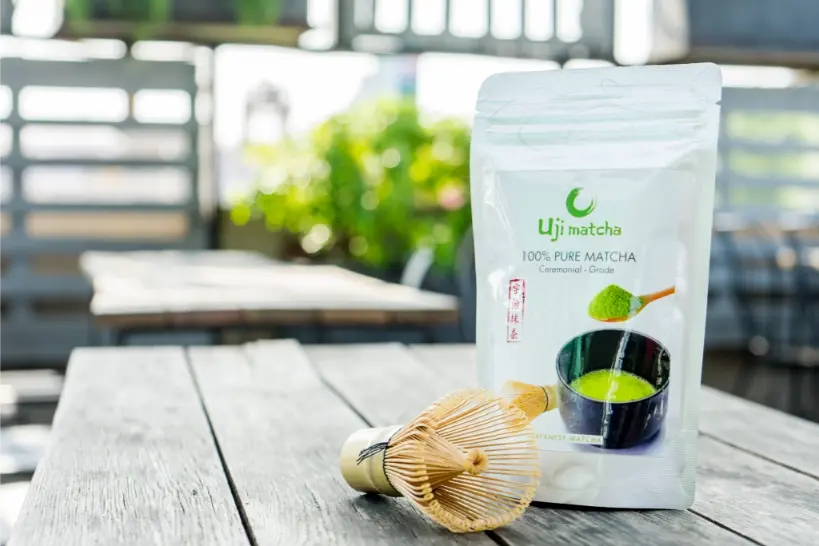
Uji, located in Kyoto Prefecture, is often called the birthplace of matcha. This area has a history with tea that stretches back over 800 years. The monks and farmers here developed the techniques for growing and processing tea specifically for powdered consumption. The soil and climate in Uji are just right for shade-growing the tea plants, which is key for developing that rich, umami flavor and vibrant green color that matcha is known for. It’s a place where tradition is deeply ingrained in every leaf.
Uji: The Historical Cradle Of Matcha
Yame: A Modern Bastion Of Quality
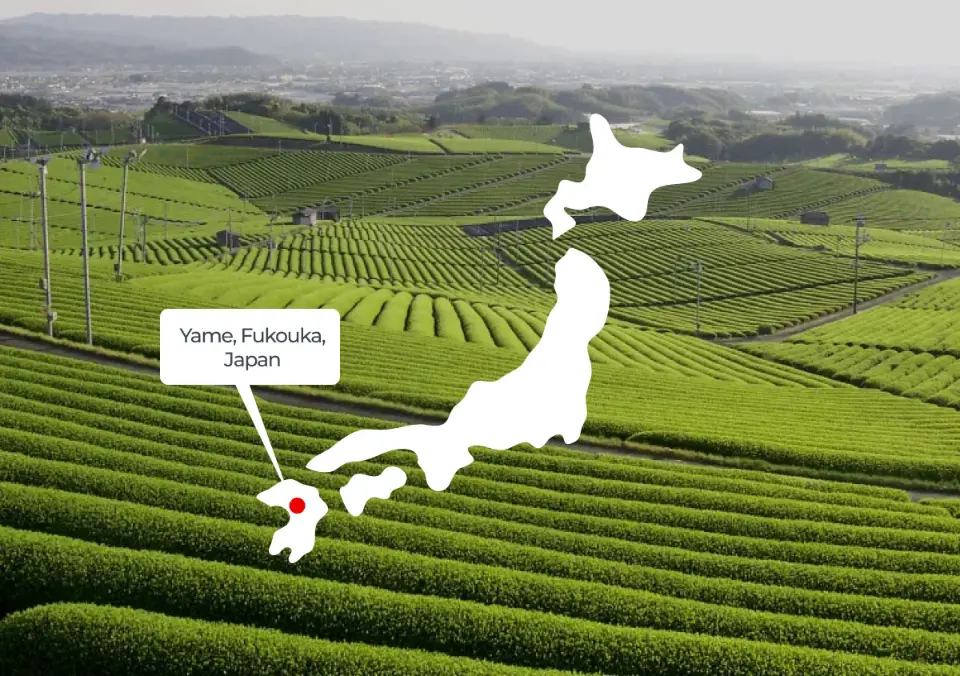
Moving southwest to Fukuoka Prefecture, we find Yame. While Uji holds the historical title, Yame has emerged as a powerhouse for premium matcha in recent times. Tea masters here, like Naoya Kawakami, are dedicated to refining the art of matcha production. They focus on specific cultivars and meticulous processing to create matcha with a beautifully balanced flavor – often a delightful sweetness with subtle floral notes. Yame is where you can find some truly exceptional, high-grade matcha that’s perfect for both traditional preparation and modern beverages.
Yame: A Modern Bastion Of Quality
Shizuoka: The Expansive Green Fields
Shizuoka Prefecture is Japan’s largest tea-producing region overall. While it’s known for a wide variety of green teas, including sencha, it also produces significant amounts of matcha. The landscape here is quite different, with vast, often lower-elevation fields that lend themselves to more large-scale production. Shizuoka matcha can offer a bright, refreshing taste, and its accessibility makes it a popular choice. It’s a region that contributes a lot to Japan’s tea output, showcasing a different side of matcha cultivation.
These regions, each with their unique history, climate, and approach to cultivation, are the bedrock of what makes Japanese matcha so special. They represent a deep connection to the land and a commitment to quality that is hard to replicate.
Beyond The Archipelago: Matcha’s Global Footprint
While Japan, particularly regions like Uji and Yame, is undeniably the historical and spiritual home of matcha, the verdant powder’s journey hasn’t been confined to its shores. As global interest in this vibrant green tea has surged, so too has the exploration of cultivating it elsewhere. The question of whether matcha can truly thrive outside of Japan is a complex one, touching on climate, tradition, and the very essence of what makes matcha, well, matcha.
Cultivation Beyond Japanese Borders
Matcha’s unique cultivation process, which involves shading tea plants for several weeks before harvest, is key. This shading increases chlorophyll and L-theanine content, contributing to matcha’s signature color and flavor. While the ideal conditions for this process are found in Japan’s specific microclimates, other countries have begun experimenting. Places with suitable rainfall, temperature ranges, and the ability to manage shade cover are exploring matcha production. This includes areas in:
- South Korea: Some regions have a long history of tea cultivation and are adapting traditional methods to produce matcha.
- Taiwan: Known for its high-quality oolong teas, Taiwan’s diverse terroirs offer potential for matcha cultivation.
- Vietnam: With its tropical climate and established tea industry, Vietnam is also venturing into matcha production.
- United States (Hawaii and California): These regions offer climates that can support tea cultivation, and there’s growing interest in niche tea production, including matcha.
Emerging Matcha Producers Worldwide
As the demand for matcha grows, so does the number of countries attempting to cultivate and produce it. These emerging producers are often driven by a desire to offer local alternatives or to tap into the burgeoning wellness and specialty beverage markets. However, replicating the nuanced flavors and vibrant color associated with premium Japanese matcha, especially from renowned areas like Uji or Yame, presents significant challenges.
Challenges in Global Matcha Production
Producing high-quality matcha outside of Japan is not without its hurdles. The specific agricultural techniques, the meticulous stone-grinding process, and the deep cultural understanding of tea are difficult to replicate. Factors like:
- Terroir: The unique soil composition, climate, and topography of traditional Japanese tea regions contribute significantly to the final flavor profile.
- Cultivar Specificity: Japan has developed specific tea cultivars optimized for matcha production over centuries.
- Processing Expertise: The art of shading, harvesting, steaming, drying, de-veining, and finally stone-grinding the leaves requires specialized knowledge and equipment.
- Quality Control: Maintaining consistent quality, especially the vibrant green color and smooth texture, can be challenging with less established production methods.
While matcha is now grown in various parts of the world, the depth of tradition and the refined quality often found in matcha from Japan’s esteemed regions like Uji and Yame remain a benchmark for many enthusiasts and connoisseurs.
The Art Of Matcha: Cultivation And Craftsmanship
Terroir’s Influence On Matcha Flavor
The land where tea plants grow, known as terroir, plays a huge role in how matcha tastes. Think of it like wine – the soil, the climate, the altitude, and even the surrounding plants all contribute to the final flavor. In Japan, regions like Uji and Yame have very specific conditions that have been perfected over centuries. Uji, with its ancient soils and misty atmosphere, is known for producing matcha with a deep, complex umami and a smooth finish. Yame, on the other hand, often yields a matcha with a natural sweetness and a more mellow character. These distinct regional characteristics are not easily replicated elsewhere, showing how deeply tied matcha’s quality is to its origin.
The Role Of Shade-Grown Tea
Matcha’s unique flavor and vibrant green color come from a special process called shading. For about 20-30 days before harvest, the tea plants destined for matcha are covered, blocking out direct sunlight. This process makes the leaves grow more tender and increases their chlorophyll content, which is what gives matcha its brilliant green hue. It also boosts the production of L-theanine, an amino acid that contributes to matcha’s characteristic umami taste and calming effect. Without this crucial shading period, the tea would taste more like regular green tea, lacking that distinctive depth and sweetness.
From Leaf To Powder: The Grinding Process
Turning tea leaves into the fine powder we know as matcha is a meticulous process. After the leaves are harvested and steamed to stop oxidation, they are dried and de-veined. The remaining leaf material, called ‘tencha,’ is then slowly ground into a powder. Traditionally, this is done using stone mills, which grind the tea very slowly to prevent heat buildup that could damage the delicate flavors and color. This slow grinding is what gives matcha its incredibly fine texture and preserves its vibrant qualities. The speed and type of grinding equipment can significantly impact the final product’s quality and taste, making it a critical step in the craftsmanship of matcha.
Distinguishing Japanese Matcha: Authenticity And Terroir
When we talk about matcha, especially the kind that truly embodies its rich heritage, the conversation often circles back to Japan. It’s not just about where it’s grown, but how that origin shapes the tea itself. The unique climate, soil, and centuries of cultivation practices in places like Uji and Yame create a distinct matcha.
The Significance Of Origin For Matcha
Think of it like wine or coffee; the place where the tea plant grows, its terroir, plays a massive role. Japan, particularly regions like Uji and Yame, has a long history with Camellia sinensis for matcha production. This isn’t accidental. The specific environmental conditions – the misty mountains, the mineral-rich soil, the careful shading techniques – all contribute to the final flavor and quality. Authentic matcha is characterized by its vivid, fluorescent green color and a fine, talc-like texture. This visual and textural quality is a direct result of these specific growing and processing methods honed over generations. While matcha can be grown elsewhere, replicating the exact conditions and the accumulated knowledge that defines Japanese matcha is a significant challenge.
Flavor Profiles: Uji Versus Yame
Even within Japan, different regions offer unique flavor profiles. Uji, often called the historical cradle of matcha, tends to produce teas with a deep, savory umami and a mellow richness. It’s a classic profile, steeped in tradition. Yame, on the other hand, has emerged as a modern bastion of quality, often celebrated for its slightly sweeter, more refined character, with a creamy body and subtle floral notes. Both are exceptional, but they offer a different experience.
- Uji: Deep umami, oceanic notes, rich body.
- Yame: Balanced sweetness, creamy texture, subtle floral hints.
Why ‘Is Matcha Only Grown in Japan?’ Is A Common Query
This question pops up so often because the matcha most people encounter, the one that sets the standard for quality and flavor, is from Japan. The deep connection between matcha and Japanese culture means that when you’re looking for that quintessential matcha experience, Japan is the first place that comes to mind. The dedication to craft, from the careful shading of the tea plants to the meticulous stone-grinding process, is a hallmark of Japanese tea production. This focus on quality and tradition is why Japanese matcha holds such a revered place in the global tea market. It’s about more than just a beverage; it’s about a cultural practice and a commitment to excellence that has been passed down through generations, making it the benchmark for what matcha can be. You can explore some of these premium grade Kyoto matcha to understand this distinction.
The Global Palate: Matcha’s Expanding Reach
Matcha In Culinary Creations
Matcha’s vibrant color and unique flavor profile have made it a star ingredient far beyond the traditional tea ceremony. Chefs and home cooks alike are finding creative ways to incorporate this powdered green tea into a wide array of dishes. From delicate pastries to savory sauces, matcha adds a sophisticated, earthy note that can transform ordinary meals into something special. Think of matcha-infused ice cream, cookies, or even as a rub for grilled meats. Its versatility is truly remarkable.
Matcha In Culinary Creations
The Rise Of Matcha Lattes And Beverages
The matcha latte has become a global phenomenon, introducing countless people to the taste of matcha. This creamy, often slightly sweetened drink is a favorite in cafes worldwide. But it’s not just lattes; matcha is showing up in smoothies, iced teas, cocktails, and even sparkling water. This widespread adoption in beverages has significantly broadened matcha’s appeal, making it a go-to choice for those seeking a flavorful and energizing drink.
Consumer Perception Of Global Matcha
As matcha’s presence grows internationally, so does consumer awareness. While many still associate matcha with its Japanese origins, there’s a growing appreciation for the nuances that different growing regions offer. Consumers are becoming more curious about the source of their matcha and how factors like terroir and cultivation methods influence the final taste. This curiosity is driving a demand for quality and authenticity, reminding us of the deep traditions behind exceptional matcha from places like Uji and Yame.
The Future Of Matcha: Innovation And Tradition
The world of matcha is always evolving, and it’s exciting to see how innovation and tradition are coming together to shape its future. While Japan, particularly regions like Uji and Yame, remains the heartland of matcha cultivation and craftsmanship, the global interest in this vibrant green tea is leading to new developments.
Sustainable Matcha Farming Practices
There’s a growing focus on how matcha is grown. Farmers are exploring more sustainable methods to protect the environment and ensure the long-term health of the tea fields. This includes things like:
- Water conservation: Implementing efficient irrigation techniques to reduce water usage.
- Organic farming: Moving away from synthetic pesticides and fertilizers to promote healthier soil and a purer product.
- Biodiversity: Encouraging a variety of plant and insect life within and around the tea fields to create a more balanced ecosystem.
These practices not only benefit the planet but also contribute to the nuanced flavors that make high-quality matcha so special. The dedication to preserving the land is as important as the dedication to perfecting the tea itself.
Technological Advancements In Cultivation
While tradition is key, technology is also playing a role. Precision agriculture, for instance, allows farmers to monitor soil conditions, weather patterns, and plant health with greater accuracy. This can lead to more consistent yields and improved quality. Automation in certain processing steps, when done thoughtfully, can also help maintain the delicate balance required for matcha production. However, the core of matcha making, especially the stone-grinding process, still relies heavily on skilled hands and time-honored techniques.
Preserving The Essence Of Matcha Globally
As matcha’s popularity spreads, the challenge lies in maintaining its authenticity and quality. It’s important to remember that the unique terroir of places like Uji and Yame, combined with generations of expertise, creates the distinct flavor profiles that matcha is celebrated for. While matcha can be grown in other regions, achieving that same depth of umami and vibrant color requires a deep understanding of the plant and its environment. The future will likely see a greater appreciation for origin and the traditional methods that have defined matcha for centuries, ensuring that as the global footprint expands, the essence of true matcha is not lost.
Beyond the Horizon: Matcha’s Evolving Story
So, while Japan has long been the undisputed heartland of matcha, its story isn’t confined to its shores. The delicate art of cultivating and processing matcha is a tradition deeply rooted in Japanese soil, passed down through generations. Yet, as we’ve seen, the world’s appreciation for this vibrant green powder is growing, and with it, the exploration of new places where its unique magic might take hold. It’s a fascinating journey, watching this ancient beverage find new expressions and perhaps, new homes, all while staying true to its essence. The future of matcha is still being written, and it’s exciting to think about where its leaves might unfurl next.
Read more: What is Starbucks Matcha Made Of? Unpacking the Ingredients


Quicl access to
You may also be interested in
Discover Where Matcha is Grown in Japan: A Deep Dive into Cultivation Regions
So, you’re curious about where matcha comes from, huh? It’s not just grown anywhere, you...
Nov
Where to Buy Matcha in Bulk: Your Ultimate Guide
So, you’re looking to buy matcha in bulk, huh? It can feel like a big...
Nov
Why “Ceremonial Grade” is Meaningless PD
Every year, around April and May, the Japanese tea world is thrust into “Shincha Season”....
Aug
Is Matcha Just Ground Green Tea? Unpacking the Differences
Lots of people wonder if matcha is just regular green tea, but ground up. It’s...
Nov
Is Matcha Only Grown in Japan? Exploring Global Matcha Cultivation
You might think that matcha, with its deep green color and rich history, is something...
Oct
Can You Turn Green Tea Into Matcha? The Process Explained
So, you’ve got some green tea lying around and you’re wondering, ‘Can you turn green...