

Industry News, News
Is Matcha Just Ground Green Tea? Unpacking the Differences
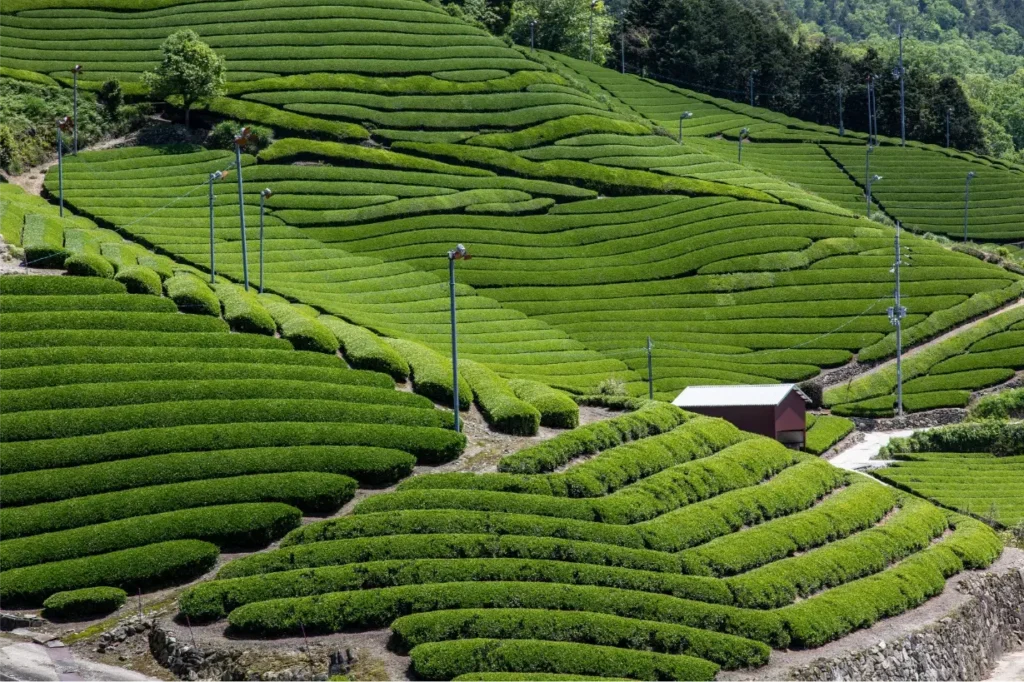
Nov
Lots of people wonder if matcha is just regular green tea, but ground up. It’s a fair question, especially since you see it as a powder. But as it turns out, there’s a lot more to it than just that. The way matcha is grown, processed, and even where it comes from makes it pretty special. We’re going to break down what makes matcha, well, matcha, and how it’s different from other green teas you might be familiar with.
Key Takeaways
- Matcha isn’t just any ground green tea; its unique cultivation involves shade-growing tea plants before harvest.
- The process for making matcha involves steaming, drying, de-veining, and then stone-grinding the leaves into a fine powder.
- Unlike matcha, sencha is typically steamed and rolled into needle-like shapes, not powdered.
- The origin of matcha, particularly regions like Uji in Kyoto and Yame in Fukuoka, plays a big role in its quality and flavor.
- Matcha’s distinct flavor profile includes a deep umami taste, vibrant color, and smooth mouthfeel, setting it apart from other green teas.
The Essence Of Matcha: Beyond Ground Leaves
Matcha is more than just finely ground green tea leaves; it’s a product of a unique cultivation and processing method that sets it apart. While it originates from the same plant as other green teas, the journey from bush to cup is distinct, resulting in a tea with a different character and nutritional profile. Understanding these differences is key to appreciating what makes matcha so special.
Distinguishing Matcha’s Unique Cultivation
The story of matcha begins long before the leaves are harvested. The cultivation process is meticulously controlled to enhance specific qualities in the tea leaves. This deliberate approach is what truly separates matcha from its green tea cousins.
The Art of Shade-Grown Tea Leaves
For several weeks leading up to harvest, matcha plants are intentionally shaded from direct sunlight. This practice, known as oishita, is fundamental to matcha’s development. By limiting sunlight, the plant increases its chlorophyll production, leading to a deeper green color and a richer, more complex flavor profile. It also boosts the concentration of L-theanine, an amino acid responsible for matcha’s characteristic umami taste and calming effects. This careful shading is a hallmark of high-quality matcha, often found in renowned regions like Uji, Kyoto, and Yame, Fukuoka, where this tradition is deeply respected.
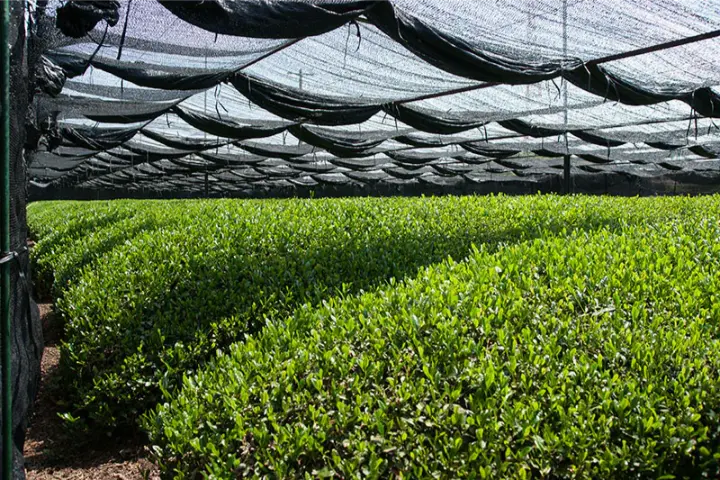
The Art of Shade-Grown Tea Leaves
From Leaf to Powder: The Grinding Process
Once harvested, the tea leaves undergo a transformation. Unlike other green teas that are often rolled and dried, matcha leaves are typically steamed and then dried without being rolled. This preserves the integrity of the leaf structure. The crucial step that follows is the grinding. The dried leaves, called tencha, are then slowly stone-ground into an exceptionally fine powder. This process is time-consuming and requires great care to avoid generating heat, which could degrade the tea’s quality. The result is a vibrant green powder that is meant to be whisked into water, consuming the entire leaf rather than just steeping it. This method of consumption is why matcha is so potent, offering a concentrated dose of the tea’s beneficial compounds.
The meticulous cultivation and slow stone-grinding process are what transform simple tea leaves into the vibrant, nutrient-rich powder we know as matcha. It’s a testament to the dedication involved in producing authentic Japanese tea.
Sencha Versus Matcha: A Tale Of Two Teas
When we talk about Japanese green teas, sencha and matcha often come up. They’re both green tea, sure, but they’re really quite different. It’s not just about how they look or how you prepare them; their entire journey from the plant to your cup is distinct.
Sencha is the most common tea you’ll find in Japan, and for good reason. After the leaves are picked, they’re quickly steamed. This steaming process is key because it stops oxidation, keeping that vibrant green color and fresh flavor. Then, the leaves are rolled into those characteristic needle-like shapes. This rolling isn’t just for looks; it helps break down the leaf structure a bit, which affects how the tea brews and tastes. When you brew sencha, you’re steeping the whole leaf, and what you get in your cup is an infusion of those flavors. It’s a tea that offers a more immediate energy boost due to its lower theanine content, making it ideal for quick refreshment. Sencha offers a more immediate caffeine boost.
Ichibancha: The First Flush Distinction
Ichibancha refers to the very first harvest of the season, usually in spring. Think of it as the tea equivalent of the first fruits of the year – fresh, vibrant, and full of potential. All high-quality Japanese green teas, including sencha, matcha, and gyokuro, can be considered ichibancha if they come from this first picking. However, not all ichibancha is sencha, and importantly, not all sencha is ichibancha (as sencha can be harvested later in the year too).
Shincha: The Ephemeral ‘New Tea’
Shincha, which literally means ‘new tea,’ is a special category. It’s essentially ichibancha that is processed, packaged, and sold very quickly after harvest, without being stored. The goal is to capture that fleeting, fresh aroma of spring. This is why shincha is often associated with a bright, grassy scent, sometimes described as having a ‘cut grass’ aroma. While this bright, fresh character is wonderful for sencha, it’s generally not the desired profile for matcha or gyokuro. These teas are often aged a bit, typically until autumn, to allow those sharp, grassy notes to mellow and develop a deeper, more complex umami flavor. This traditional aging process is why you rarely see ‘shincha matcha.’ The careful attention to harvest and processing, like that found in the renowned regions of Uji and Yame, is what truly defines the quality of these teas.
Terroir And Tradition: The Matcha Pedigree
When we talk about matcha, we’re not just talking about a powder; we’re talking about a legacy. The quality and character of matcha are deeply tied to where it’s grown and how it’s prepared. Japan, as the birthplace of matcha, has specific regions that are world-renowned for producing the finest leaves.
The Significance of Uji, Kyoto
For centuries, the Uji region in Kyoto Prefecture has been considered the heartland of Japanese tea, and especially matcha. The unique climate and soil conditions here are just right for growing tea bushes that yield leaves with a rich, complex flavor profile. It’s not just about the land, though. The people of Uji have perfected the art of tea cultivation and processing over generations. This dedication means that matcha from Uji often carries a distinct sweetness and a deep, satisfying umami. When you see ‘Uji’ on a matcha package, it’s a signal of this long history and exceptional tea heritage.
The Significance of Uji, Kyoto
The Distinctive Character of Yame, Fukuoka
While Uji holds the historical crown, the Yame region in Fukuoka Prefecture has emerged as another powerhouse for high-quality matcha. Yame’s misty mountains and fertile valleys create a slightly different environment, often resulting in matcha with a smoother, more mellow character. Tea masters in Yame focus on specific cultivars and meticulous processing to bring out a delicate sweetness and a vibrant green color. Many of the premium café-grade matchas you might encounter, designed for lattes and culinary uses, often come from Yame. They offer a robust flavor that holds up well in mixed drinks while still maintaining a pleasant smoothness.
The Role of Tea Masters in Blending
Beyond the specific regions, the skill of the tea master is absolutely vital. These individuals are artists who understand the nuances of different tea harvests and leaf qualities. They blend teas from various fields and harvests to create a consistent and desirable flavor profile. A master blender can take leaves that might be too bitter on their own and balance them with sweeter leaves to create something truly special. This blending process is where tradition meets artistry, ensuring that each cup of matcha offers a specific experience, whether it’s the deep umami of a ceremonial grade or the bright, bold flavor of a café blend. It’s this human touch, guided by generations of knowledge, that truly defines the pedigree of fine matcha.
Sensory Profiles: Unpacking Flavor And Aroma
Matcha isn’t just about color; it’s a whole experience for your senses. When you’re tasting good matcha, especially from places like Uji in Kyoto or Yame in Fukuoka, you’re not just getting a green drink. You’re getting a complex flavor and aroma that tells a story.
The Umami Depth of Premium Matcha
One of the first things you’ll notice with high-quality matcha is its umami. This is that savory, almost brothy taste that lingers on your palate. It’s not fishy, but it has a richness that’s hard to describe if you haven’t tasted it before. Think of the deep flavors in a well-made dashi broth – that’s the kind of savory depth we’re talking about. This umami comes from the tea leaves being shaded for a long time before harvest, which increases their L-theanine content. It’s a sign of careful cultivation and processing.
Vibrant Color As A Mark Of Quality
Let’s talk about the color. Really good matcha should be a bright, vibrant green. Not dull, not yellowish, but a lively emerald. This intense color is a direct result of the shade-growing process. The lack of sunlight forces the tea plant to produce more chlorophyll, which gives it that striking hue. It’s also an indicator of freshness and that the tea was ground finely and recently. If your matcha looks a bit dull or brownish, it might be older, or perhaps not grown or processed with the same care.
Mouthfeel: From Smoothness To Body
The way matcha feels in your mouth is just as important as how it tastes or smells. Premium matcha, when whisked properly, should be smooth and creamy. It shouldn’t feel gritty or watery. The best matcha has a full body, meaning it feels substantial and coats your tongue pleasantly. This smooth texture is achieved through meticulous stone-grinding, which breaks down the tea leaves into an incredibly fine powder. The absence of any harshness or astringency, unless it’s a very specific type meant for culinary use, is also a good sign. It should feel luxurious, almost like velvet.
The sensory experience of matcha is a direct reflection of its journey from the tea field to your cup. The careful cultivation, the precise grinding, and the specific terroir all contribute to the unique flavor, aroma, and texture that sets exceptional matcha apart.
Culinary Applications: Matcha’s Versatility
Matcha isn’t just for drinking straight from a bowl. Its unique flavor and vibrant color make it a fantastic ingredient in all sorts of dishes. Think beyond the traditional tea ceremony; matcha can really liven up your cooking and baking.
Matcha Lattes: Balancing Boldness And Creaminess
Matcha lattes are probably the most popular way people use matcha outside of traditional tea. The key is getting the balance right. A good quality matcha, especially one from regions like Uji or Yame in Japan, has a deep, savory flavor that can stand up to milk. When you mix it with steamed milk and maybe a touch of sweetener, you get this creamy, rich drink that’s still got that distinct matcha taste. It’s not just about adding green powder to milk; it’s about creating a harmonious blend where the matcha’s character shines through without being too bitter or too weak. Using a matcha specifically suited for lattes, like those blended by tea masters for this purpose, makes a big difference. These often have a slightly bolder profile that holds up well.
Incorporating Matcha Into Desserts
Baking with matcha is where things get really interesting. Its bright green color is a visual treat, turning simple cookies, cakes, or ice cream into something special. The flavor can range from subtly grassy to intensely rich, depending on the grade of matcha used. For desserts, you often want a matcha that has a good balance of umami and a slight sweetness, without being overly astringent. Think about how matcha pairs with white chocolate, or how it can add a sophisticated twist to a classic pound cake. It’s a way to add a unique flavor dimension that’s both familiar and exotic.
The Role of Matcha in Savory Dishes
While less common, matcha can also be used in savory cooking. A light dusting of matcha can add a subtle, earthy note to roasted vegetables or a unique twist to a salad dressing. It can even be incorporated into marinades for fish or chicken, providing a complex layer of flavor. When using matcha in savory applications, it’s important to remember its intensity. A little goes a long way, and you want it to complement, not overpower, the other ingredients. High-quality matcha from traditional growing areas often has a depth that works well in these more complex flavor profiles.
The Shincha Season: A Fleeting Moment
Every year, as spring unfurls across Japan, a special time arrives: Shincha Season. The term ‘shincha’ literally translates to ‘new tea,’ and it refers to the very first harvest of the year, typically from late March to mid-May. This isn’t a specific type of tea, like matcha or sencha, but rather a descriptor for tea that’s processed and released immediately after picking, capturing the vibrant essence of spring.
Why Shincha Is Rarely Matcha
While shincha is predominantly sencha, it’s quite uncommon to find matcha designated as shincha. This is because matcha, and other shaded teas like gyokuro, are traditionally aged for a period, often until autumn. This aging process allows the bright, grassy notes characteristic of the first flush to mellow, developing the deep, umami-rich profile that is highly prized in these teas. The intense, fresh aromas of shincha, while delightful in sencha, would actually detract from the desired flavor profile of matcha. The delicate volatile compounds that give shincha its unique character, such as cis-3-hexenal with its ‘cut grass’ aroma, are precisely what are allowed to dissipate in teas intended for longer aging. This is why you’ll rarely see ‘shincha matcha’ on the market; the focus for matcha is on a different kind of maturation and flavor development, often drawing from the esteemed tea-growing regions like Uji, Kyoto.
The Preservation of Aromatics
What makes shincha so special is its unparalleled freshness. Before modern refrigeration, the bright, aromatic qualities of the first flush were only available for a short time each year. Even with today’s technology, some of these delicate volatile compounds are lost quickly. Shincha is rushed to market to preserve these ephemeral scents and flavors. These aromas are a complex blend, often described as ‘young bud aroma’ and ‘new fresh aroma.’ They come from compounds like (2E,6Z)-Nona-2,6-dienal, which imparts notes of cucumber and watermelon, and coumarin, offering hints of sakura and vanilla. The rapid processing and minimal storage are key to retaining these fleeting characteristics.
The Unique Compounds of Freshness
The distinctiveness of shincha lies in its chemical makeup, particularly the volatile compounds that contribute to its vibrant aroma. These include:
- cis-3-hexenal: Responsible for the intense ‘green, cut grass’ scent.
- (2E,6Z)-Nona-2,6-dienal: Contributes aromas reminiscent of cucumber and fresh watermelon.
- Coumarin: Adds sweet notes of sakura, vanilla, and cinnamon.
- Vanillin: A familiar aroma found in vanilla.
- 3-Methylnonane-2,4-dione: Offers hints of straw, fruit, and vanilla.
- Linalool: Provides various floral notes.
These compounds are most concentrated in the youngest leaves and buds harvested in the first flush. The rapid processing of shincha, often with gentle steaming and a light ‘hi-ire’ (firing), is designed to capture and preserve these delicate aromatics. This focus on immediate release and minimal processing is what distinguishes shincha from teas that are stored for later release or aged for different flavor profiles, a practice that is also central to the tradition of producing high-quality teas from regions like Yame, Fukuoka.
More Than Just Powder
So, is matcha just finely ground green tea? While technically it is made from ground tea leaves, the process and care involved set it apart. Think of it like comparing a quick sketch to a detailed painting. Both use the same basic elements, but the intention, skill, and final result are worlds apart. Matcha’s unique cultivation, shade-growing, steaming, and stone-grinding create a vibrant, nutrient-rich powder with a distinct flavor profile. It’s not just about the form, but the journey from leaf to cup that gives matcha its special place in the world of tea.
Read more: What Color Should Matcha Powder Be? Understanding the Vibrant Green


Quicl access to
You may also be interested in
Is Matcha Just Ground Green Tea? Unpacking the Differences
Lots of people wonder if matcha is just regular green tea, but ground up. It’s...
Nov
Is Matcha Only Grown in Japan? Exploring Global Matcha Cultivation
You might think that matcha, with its deep green color and rich history, is something...
Oct
Can You Really Make Matcha Without Matcha Powder? Exploring Alternatives
So, you’re curious about how to make matcha without, well, matcha powder? It sounds a...
Nov
Can You Turn Green Tea Into Matcha? The Process Explained
So, you’ve got some green tea lying around and you’re wondering, ‘Can you turn green...
Why “Ceremonial Grade” is Meaningless PD
Every year, around April and May, the Japanese tea world is thrust into “Shincha Season”....
Aug
Mastering the Art: A Simple Guide on How to Mix Matcha for the Perfect Cup
So, you’ve got some matcha powder and you’re ready to make a cup, but you’re...
Oct