

Industry News, News
Is Matcha Detoxifying? Exploring the Health Benefits of Green Tea

Nov
Lots of people are talking about matcha these days, and you might have heard it’s good for you. Some folks even say it’s a great way to ‘detox.’ But what does that really mean, and is matcha truly detoxifying? We’re going to break down what makes matcha special, look at the science behind its health claims, and figure out if this green powder lives up to the hype.
Key Takeaways
- Matcha is a finely ground powder made from specially grown and processed green tea leaves.
- While ‘detox’ is a buzzword, matcha supports the body’s natural processes, particularly through its antioxidants.
- Matcha is rich in compounds like catechins, especially EGCG, known for their health-promoting properties.
- The L-theanine in matcha can promote relaxation and focus without the jitters.
- Understanding matcha’s quality, grade, and origin is important for its flavor and potential benefits.
The Verdant Elixir: Unpacking Matcha’s Core
A Glimpse into Matcha’s Origins
When you look into a bowl of matcha, you’re peering into centuries of Japanese culture. Matcha’s story starts in the misty hills of Japan, especially in regions like Uji and Yame. These places aren’t just names—they’re like a fingerprint. Origins shape everything about matcha, from taste to aroma. Uji’s reputation is for its classic, refined character; Yame brings a creamy sweetness. The connection to these regions is deep, tied to generations of farmers and a real attention to careful growing. Authenticity here isn’t a marketing word—it’s the difference between an everyday beverage and a proper, meaningful ritual.
The Art of Cultivation and Harvest
Matcha is never an accident, and it sure isn’t mass-produced without care. You start with the right cultivar—like Saemidori or Okumidori—and about a month before harvest, the plants are shaded. This step is pretty special. Shading slows growth, but bumps up the chlorophyll, making the leaves turn a deep, lush green and taste full of umami. Then comes harvest, which isn’t just cutting leaves. Only the most tender, youngest leaves are chosen. Harvesting too late, or grabbing older growth? The end result changes dramatically—in both flavor and nutrition.
- Shading duration: 20–30 days
- Harvest timing: Early spring, typically first flush
- Key regions: Uji (Kyoto), Yame (Fukuoka)
| Step | Impact on Matcha |
|---|---|
| Shading | Boosts chlorophyll, umami |
| Timed Harvest | Ensures tenderness, fresh flavor |
| Gentle Picking | Preserves leaf structure |
From Leaf to Powder: The Transformation Process
Now, you’ve got perfect leaves. The next phase is all about turning those into silky powder. The first step is steaming—literally seconds after picking—to lock in the green color and keep the leaf enzymes quiet. After that, there’s careful drying and destemming. Finally, those leaves, called tencha, get stone-ground very slowly. The old-school granite wheels are still used in Japan because they grind fine without overheating. Fast, careless grinding? You destroy scent and flavor. Slow and steady? That’s the way.
- Steaming (about 20 seconds post-harvest)
- Drying and destemming for purity
- Stone-grinding to ultra-fine, vibrant powder
The journey from field to chawan is as important as the matcha itself. Every choice in cultivation and processing affects what you taste and feel in your cup. Authentic matcha from Uji and Yame isn’t just tradition—it’s the surest path to true quality.
Is Matcha Truly Detoxifying?
The word “detox” is tossed around a lot. Sometimes it feels like any green powder in a pretty tin gets labeled this way. But is there real science behind calling matcha a detox drink? Let’s break it down, as someone who’s spent more hours with a bamboo whisk than I’d care to admit.
Exploring the Concept of ‘Detox’ in Beverages
You see fresh juices, herbal infusions, and, of course, matcha on nearly every health list. The idea is simple: something you consume can somehow remove waste or toxins from your body. But the truth is more grounded:
- Your liver and kidneys are your body’s natural detox organs—they’re the stars of the show.
- No beverage alone can “flush” toxins in the way advertised by popular trends.
- What matcha (and green tea in general) can do is assist your body’s existing systems through beneficial compounds.
Matcha’s Role in Supporting Natural Bodily Processes
Here’s where matcha steps in—not as a miracle sweep, but as a helping hand:
- Supporting antioxidant balance: Matcha is full of catechins, which may help reduce damage from excess free radicals, supporting your organs as they do their jobs.
- Promoting gentle metabolic activity: The caffeine and L-theanine combo in high-quality matcha can help you feel alert, not jittery, potentially encouraging healthy activity without a crash.
- Encouraging hydration: When prepared traditionally (not overloaded with sugar or dairy), matcha drinks can be a satisfying way to meet your daily fluid goals.
Health benefits of Matcha
I always say, matcha isn’t a silver bullet—but drinking it mindfully can be a small act that supports your daily rhythm and natural function.
Antioxidants and Their Impact on Well-being
This is really where authentic matcha shines. The phytonutrients in premium matcha, especially from places like Uji and Yame, tend to be more concentrated thanks to careful farming and shading. Catechins, a celebrated type of antioxidant, are the main players.
Here’s a quick snapshot:
| Component | Approximate Range* (per gram) | Known for |
|---|---|---|
| EGCG (catechin) | 60–110 mg | Antioxidant activity |
| L-theanine | 6–18 mg | Calm alertness |
| Caffeine | 30–60 mg | Gentle stimulation |
*Ranges depend on grade and origin. Superior matcha from regions like Yame and Uji can reach the upper end of quality and concentration.
When you drink matcha, you’re getting the whole leaf, whisked up—not a watery brew. That’s why quality and provenance matter. It’s not only about taste; it’s about what your body receives.
In the end, while matcha doesn’t magically remove toxins, it does support your own system’s natural processes. Choose the real thing for the fullest benefit—after all, matcha’s tradition wasn’t built on shortcuts or empty promises.
Beyond Detox: The Multifaceted Health Profile of Matcha
While the idea of ‘detoxifying’ beverages is popular, matcha offers a more nuanced approach to wellness. Instead of a quick fix, it supports the body’s natural processes through its rich composition.
The Richness of Catechins and EGCG
Matcha is particularly known for its high concentration of antioxidants, especially a type of catechin called Epigallocatechin gallate (EGCG). These compounds are thought to help protect your cells from damage. The vibrant green color of high-quality matcha, especially from regions like Uji, is a visual indicator of its potent antioxidant content.
L-Theanine and Its Calming Influence
Beyond antioxidants, matcha contains an amino acid called L-theanine. This compound is known for promoting relaxation and focus without causing drowsiness. It works synergistically with the caffeine in matcha, offering a sustained energy boost that feels calm and clear, unlike the jitters sometimes associated with coffee. This unique combination is a hallmark of well-cultivated Japanese green teas.
Vitamins and Minerals in Every Sip
Matcha also provides a spectrum of vitamins and minerals. While not a primary source, it contributes small amounts of Vitamin C, Vitamin A, iron, and calcium to your diet. These nutrients play various roles in maintaining overall health. The quality of the tea leaves, influenced by factors like soil and cultivation methods in areas such as Yame, can affect the final nutrient profile.
The true value of matcha lies not in a single ‘detox’ claim, but in its complex blend of beneficial compounds that support the body’s inherent functions.
Here’s a look at some key components:
- Antioxidants (EGCG): Protects cells from oxidative stress.
- L-Theanine: Promotes a state of calm alertness.
- Caffeine: Provides a gentle energy lift.
- Vitamins & Minerals: Contributes to daily nutritional intake.
The Nuances of Matcha Quality and Purity
When we talk about matcha, it’s not just a simple green powder. There’s a whole world of difference between a truly exceptional matcha and something that’s just… okay. Think of it like comparing a finely tuned instrument to a toy. The origin, how it’s grown, and how it’s processed all play a huge role in the final taste and even its potential benefits.
Understanding Different Matcha Grades
Matcha is typically categorized into different grades, and this isn’t just marketing speak. These grades reflect the quality of the tea leaves used and the care taken in their processing. Generally, you’ll see terms like Ceremonial Grade and Culinary Grade. Ceremonial grade is usually made from the youngest, most tender tea leaves, stone-ground to an incredibly fine powder. This results in a smoother, sweeter, and more vibrant green tea, perfect for drinking on its own. Culinary grade, on the other hand, is often made from slightly older leaves and might have a bolder, more robust flavor that stands up better when mixed with milk or used in baking. It’s still good quality, but it’s meant for different uses.
- Ceremonial Grade: Best for traditional usucha (thin tea), prized for its delicate flavor and smooth finish.
- Premium/Café Grade: A good balance for lattes and other mixed drinks, offering a robust flavor and vibrant color.
- Culinary Grade: Ideal for baking and cooking, where its flavor needs to be more pronounced.
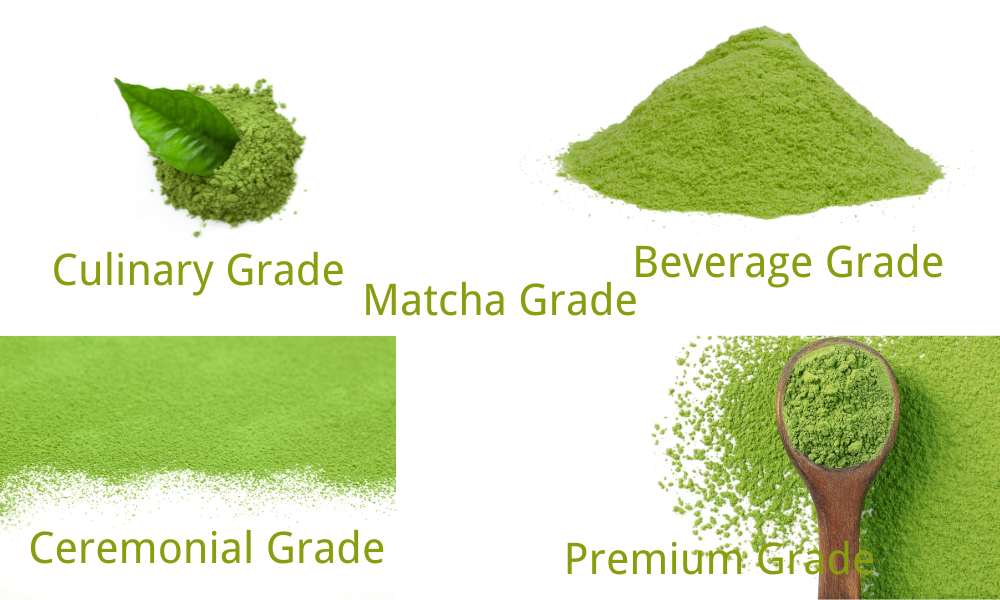
Understanding Different Matcha Grades
The Significance of Origin: Uji and Yame
Japan is the heartland of high-quality matcha, and within Japan, certain regions are particularly renowned. Uji, near Kyoto, is historically considered the birthplace of matcha. Teas from Uji are often celebrated for their deep, savory umami and complex flavor profiles. Then there’s Yame in Fukuoka Prefecture, known for producing matcha with a beautifully balanced, mellow sweetness and subtle floral notes. Both regions have a long-standing tradition of tea cultivation and processing, and the specific terroir – the soil, climate, and geography – contributes significantly to the unique character of their matcha. When you see matcha from Uji or Yame, you’re often looking at a product with a rich heritage and a commitment to quality.
Factors Influencing Matcha’s Potency and Flavor
Beyond the grade and origin, several other factors shape a matcha’s character. The shading process before harvest is key; longer shading periods tend to increase chlorophyll and L-theanine content, leading to a deeper green color and a more umami-rich flavor. The grinding method also matters – traditional stone grinding is slow and cool, preserving the delicate compounds, whereas faster methods can generate heat and affect the flavor. Even how the matcha is stored after opening makes a difference. Exposure to air, light, and heat can cause it to lose its vibrant color and fresh flavor. For the best experience, always store your matcha in an airtight container in a cool, dark place.
The journey from a shaded tea leaf to a vibrant green powder is a testament to meticulous cultivation and careful processing. Understanding these nuances helps in appreciating the true depth and quality of authentic Japanese matcha.
Integrating Matcha into a Balanced Lifestyle
Matcha isn’t just a beverage; it’s an invitation to a moment of pause and presence. Bringing this vibrant green tea into your daily routine can be a simple yet profound way to connect with yourself and the present moment. It’s about more than just the health benefits; it’s about the ritual and the mindful experience.
Mindful Preparation Rituals
The way you prepare your matcha can transform it from a simple drink into a calming ceremony. It’s a practice that engages the senses and encourages a slower pace.
- Gather your tools: You’ll need a matcha bowl (chawan), a bamboo whisk (chasen), a bamboo scoop (chashaku), and of course, your matcha powder. Using traditional tools can deepen the experience.
- Sift the matcha: Gently sift about one to two scoops of matcha powder into your bowl. This step is important to prevent clumps and ensure a smooth texture. A fine mesh sifter works well.
- Add warm water: Pour about 2-3 ounces of warm water (not boiling, around 175°F or 80°C) into the bowl. The temperature is key to unlocking the best flavor without bitterness.
- Whisk with intention: Using your chasen, whisk the matcha and water in a rapid “W” or “M” motion. Focus on creating a fine, frothy foam on the surface. This isn’t just about mixing; it’s about the mindful movement and the transformation happening in the bowl.
Matcha in Culinary Creations
Beyond a traditional tea, matcha’s unique flavor and vibrant color lend themselves beautifully to a variety of culinary applications. Its rich, slightly savory profile can add depth to both sweet and savory dishes.
- Lattes and Smoothies: Matcha is famously delicious in lattes, whether hot or iced. Its robust flavor holds up well against milk and sweeteners. It’s also a fantastic addition to smoothies, providing a boost of color and nutrients.
- Baked Goods: Incorporate matcha into cakes, cookies, muffins, or even pancakes for a unique flavor and a beautiful green hue. Think of matcha-flavored cookies or a matcha swirl in your favorite cake batter.
- Desserts: From ice cream to puddings and mousses, matcha can add an elegant, earthy note. A simple matcha dusting on a panna cotta or a matcha-infused chocolate ganache can be quite sophisticated.
Considering Matcha’s Place in Daily Wellness Routines
Integrating matcha into your daily life can be a simple yet effective way to support your overall well-being. It’s about finding a rhythm that works for you.
The quality of your matcha plays a significant role in the overall experience and its potential benefits. Authentic matcha, particularly from renowned regions like Uji or Yame in Japan, is cultivated and processed with meticulous care. This attention to detail, from the shading of the tea plants to the stone-grinding of the leaves, results in a powder that is not only rich in flavor and color but also in the beneficial compounds that contribute to matcha’s reputation.
- Morning Ritual: Start your day with a bowl of matcha. It provides a gentle energy boost without the jitters often associated with coffee, thanks to the L-theanine content.
- Afternoon Refreshment: A mid-afternoon matcha can help combat fatigue and improve focus, making it a great alternative to sugary snacks or other caffeinated beverages.
- Mindful Break: Use the preparation and consumption of matcha as a dedicated moment to step away from daily tasks, breathe, and recenter yourself. This intentional pause can be incredibly restorative.
Debunking Myths: Matcha’s True Potential
Addressing Common Misconceptions About Green Tea
It’s easy for misinformation to fly around, especially with something as storied as Japanese tea. Some folks think every shade of green powder is matcha. But not all “green” teas are created equal—even within Japan. One common myth? That any powdered green tea has the benefits of real matcha. In reality, only tencha leaves, carefully shade-grown and stone-milled, become authentic matcha. This is why regions like Uji in Kyoto and Yame in Fukuoka are spoken of with a kind of quiet reverence among tea enthusiasts—they set the gold standard.
A few other widespread myths include:
- “Matcha is bitter, always.” High-quality matcha, handled by expert tea masters, offers a creamy, sometimes even sweet profile with very little astringency.
- “Matcha works instantly as a detox.” The body’s detox happens mainly in the liver and kidneys; matcha supports overall wellness, but it’s no miracle cleanser.
- “All green tea powders are rich in nutrients.” Only shade-grown, carefully processed matcha contains high concentrations of L-theanine and catechins.
The Science Behind Matcha’s Bioactive Compounds
Matcha stands apart from typical green teas, not just in taste but in chemical composition. The shading process before the harvest increases the concentration of theanine and chlorophyll, giving matcha its vivid green color and signature flavor.
Here’s a breakdown of key compounds in a typical serving (2g) of high-grade Japanese matcha:
| Compound | Average Content (per 2g) |
|---|---|
| EGCG | 70–100 mg |
| L-Theanine | 15–25 mg |
| Caffeine | 50–70 mg |
| Vitamin C | 2–4 mg |
These numbers shift depending on where and how tea is grown. Uji and Yame matcha, thanks to centuries of learned cultivation and climate, tend toward higher theanine and EGCG.
Cultivating a Deeper Appreciation for Matcha
There’s a quiet joy that comes from knowing the story behind your matcha bowl. When you learn that a master like Kawakami Naoya—whose family has grown tea in Yame for generations—guards every batch, from shading to grinding, you taste not just tea, but mindful tradition. Real matcha is about respect: for the land, the growers, the ritual, and yourself.
- True matcha comes from Japan’s heritage regions. Imitations, especially those without origin, risk sacrificing both flavor and well-being.
- Drinking genuine matcha is about balance and steady benefit, not quick-fix detoxes or hollow promises.
- When you know what to look for (color, aroma, taste, origin), every cup takes on new meaning.
The richness of matcha is not just in the nutrients or antioxidants, but in the assurance that every leaf carries forward centuries of wisdom and care. If you want the real tea, always know its source.
So, Is Matcha a Detox Drink?
We’ve looked at what makes matcha special, from its vibrant color to its unique flavor. While it’s packed with good stuff like antioxidants, it’s not really a magic detox potion. Think of it more as a healthy addition to your day, a way to feel a bit more centered. It’s a tea with a long history, and enjoying it is part of the experience. So, go ahead, whisk up a bowl and savor it. It’s a simple pleasure that might just make you feel a little better, inside and out.
Read more: Does Matcha Give Anxiety? Understanding the Caffeine Connection


Quicl access to
You may also be interested in
The Ultimate Guide to Buying Bulk Matcha Tea Powder for Your Business
Buying bulk matcha tea powder for your business might seem a bit daunting at first,...
Oct
Unveiling the Secrets: A Deep Dive into How Matcha is Produced
Ever wondered how that vibrant green powder, matcha, gets from the tea field to your...
Nov
Why is Your Matcha Not Dissolving? Troubleshooting Common Issues
So, you’ve got your matcha, you’re ready to make a nice cup, but then… it...
Nov
Mastering Your Matcha: How to Avoid Matcha Clumps for a Silky Smooth Brew
So, you’ve got your matcha, you’re ready to make that perfect cup, and then… clumps....
Nov
Mastering Matcha: Your Ultimate Guide on How to Make Matcha Without Clumps
So, you want to make a nice cup of matcha without those annoying little lumps?...
Is Matcha Cheaper in Japan? Exploring the Cost of Authentic Japanese Matcha
So, you’re wondering if buying matcha in Japan actually saves you money. It’s a pretty...
Oct