

Market Insight
Is Matcha Cheaper in Japan? Exploring the Cost of Authentic Japanese Matcha
Oct
So, you’re wondering if buying matcha in Japan actually saves you money. It’s a pretty common question, especially with how popular matcha has become everywhere. We’ve all seen those beautiful green powders online, but is getting the real deal straight from the source actually cheaper? Let’s break down what goes into the price of authentic Japanese matcha and see if hopping on a plane is really worth it for a bag of tea.
Key Takeaways
- Japan is the birthplace of matcha, with regions like Uji (Kyoto) and Yame (Fukuoka) being famous for their high-quality tea.
- The cost of matcha depends a lot on its grade, how it’s made (artisan vs. mass-produced), and if it’s sourced directly.
- Buying directly from Japan can offer an advantage, but import duties, taxes, and shipping costs can add up when importing.
- The true value of Japanese matcha lies in the skill of the tea masters, regional traditions, and the overall commitment to quality.
- For businesses, buying matcha in bulk directly from Japanese suppliers can be more cost-effective, especially when building long-term relationships.
The Verdant Heart of Japan: Unveiling Matcha’s Origins
Matcha, that vibrant green powder, isn’t just a beverage; it’s a piece of Japanese history and culture. Its story is deeply intertwined with the very soil and traditions of Japan. When we talk about authentic matcha, two regions immediately come to mind: Uji in Kyoto and Yame in Fukuoka. These places are not just locations on a map; they are the cradles where matcha cultivation and artistry have been perfected over centuries.
Kyoto’s Uji: The Historical Cradle of Matcha
For centuries, Uji, a small city near Kyoto, has been recognized as the birthplace of matcha. It’s here that the practice of shading tea plants to enhance their flavor and color was first developed, leading to the creation of what we now know as matcha. The dedication to refining this process in Uji has set a benchmark for quality that is still revered today. The teas from this region are often characterized by a deep, savory umami and a rich, mellow body, with a vibrant, deep green color.
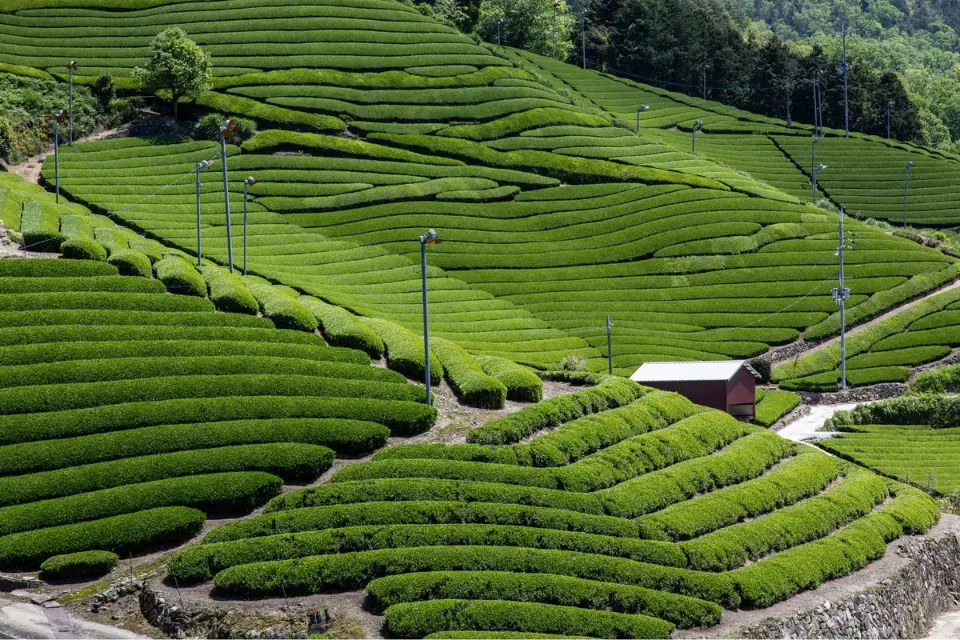
Kyoto’s Uji: The Historical Cradle of Matcha
Fukuoka’s Yame: A Region of Refined Matcha
While Uji holds the historical title, the Yame region in Fukuoka Prefecture has emerged as another powerhouse for exceptional matcha. Blessed with misty mountains and ideal growing conditions, Yame is known for producing matcha with a distinct character. Often, Yame matcha offers a beautiful balance of sweetness and umami, with a smooth, refined finish. Tea masters like Naoya Kawakami from Yame are dedicated to crafting matcha that embodies both tradition and innovation.
The Terroir’s Influence on Flavor and Cost
Just like wine grapes, the environment where tea leaves grow—the terroir—plays a significant role in the final taste and, consequently, the cost of matcha. Factors like soil composition, climate, altitude, and the specific cultivation techniques used in regions like Uji and Yame all contribute to the unique flavor profiles. The meticulous care and specific environmental conditions required for high-quality matcha production are why authentic Japanese matcha, especially from these renowned regions, commands a certain value. This deep connection to the land and the artisanal approach to cultivation are what give Japanese matcha its unparalleled depth and character.
Navigating the Price Landscape: Factors Influencing Matcha Costs
The price of matcha can vary quite a bit, and it’s not just about where you buy it. Several things play a role in how much you’ll end up paying for this vibrant green powder. Understanding these factors helps in appreciating the value of truly authentic matcha, especially when sourced directly from regions like Uji in Kyoto or Yame in Fukuoka.
Grade and Quality: The Spectrum of Matcha Value
Matcha isn’t a one-size-fits-all product. Its price is heavily influenced by its grade, which is determined by the quality of the tea leaves used and how they are processed. Think of it like olive oil – there’s extra virgin, and then there’s regular. The highest grades, often called ceremonial grade, come from the youngest, most tender tea leaves, meticulously shade-grown and stone-ground. These are meant for traditional preparation, like usucha (thin tea), and offer a smooth, complex flavor with deep umami and a naturally sweet finish. Lower grades, sometimes labeled as culinary or ingredient grade, are made from older leaves and might have a more bitter or astringent taste. They’re perfectly fine for lattes or baking, but they won’t have the same nuanced flavor profile as the premium varieties.
Here’s a general breakdown of how grades affect price:
- Ceremonial Grade: The highest quality, made from the youngest leaves. Expect a vibrant green color, smooth texture, and rich, complex flavor. This is the most expensive.
- Premium Grade: Still very high quality, often suitable for both traditional tea and lattes. It offers a good balance of flavor and value.
- Culinary/Ingredient Grade: Designed for use in recipes, smoothies, and lattes. It’s more robust in flavor and generally more affordable.
Artisan Craftsmanship vs. Mass Production
Just like any craft, the way matcha is produced makes a big difference. Matcha made by artisan tea masters, often in small batches using traditional stone grinding methods, will naturally cost more. These masters dedicate years to perfecting their craft, from cultivation and shading to grinding. Their attention to detail ensures a superior product. On the other hand, matcha produced on a larger scale, using more modern machinery, can be more cost-effective. While still good quality, it might lack the subtle complexities and unique character that come from a master’s touch. The time-honored methods used in regions like Uji and Yame are a significant part of what gives their matcha its esteemed reputation and, consequently, its price point.
Direct Sourcing and Partnerships
When you buy matcha directly from a producer or through a trusted partner who has a direct relationship with the growers, you often get better value. This cuts out several layers of middlemen, which can drive up the price. For businesses, establishing direct partnerships with Japanese tea purveyors in regions like Fukuoka or Kyoto allows for better control over quality and cost. It means you’re not just buying a product; you’re investing in a relationship built on trust and a shared commitment to authentic Japanese tea. This direct connection helps maintain the integrity of the matcha from the farm to your cup.
The journey of matcha from leaf to powder is a delicate dance between nature and human skill. The specific methods of cultivation, harvesting, and grinding, especially those honed over centuries in Japan’s premier tea-growing regions, directly impact the final taste, color, and, of course, the price. It’s a reflection of the care and tradition poured into every gram.
Authenticity and Affordability: Is Matcha Cheaper in Japan?
It’s a common question: can you really find better prices for authentic Japanese matcha by buying it directly in Japan? The short answer is often yes, but it’s not quite as simple as just picking up the first tin you see. Several factors play a role, and understanding them helps you appreciate the true value.
Authenticity and Affordability: Is Matcha Cheaper in Japan?
The Direct Purchase Advantage
When you buy matcha in Japan, especially from regions like Uji in Kyoto or Yame in Fukuoka, you’re often cutting out several layers of the supply chain. This means fewer markups from distributors, importers, and international retailers. For example, a premium grade matcha from a respected tea house in Uji, like Shimizu Ippoen, might be priced more accessibly when purchased directly from the source or through a trusted Japanese retailer. This direct connection allows you to access the tea closer to its production cost.
Understanding Import Duties and Taxes
Of course, when matcha is imported into other countries, it often incurs import duties, taxes, and customs fees. These charges are added to the final price you see on store shelves outside of Japan. Shipping costs also add up, especially for delicate items like tea. So, while the base price of matcha in Japan might be lower, these additional costs are a significant reason why the price can jump considerably when it reaches international markets.
Comparing Retail Prices: Japan vs. International Markets
Let’s look at a general comparison. You might find that a high-quality, ceremonial-grade matcha, which requires meticulous cultivation and processing, could cost anywhere from ¥3,000 to ¥10,000 or more for a 30-40g tin in Japan. When the same or a similar grade is sold internationally, that price can easily double or even triple, factoring in all the associated import costs and retailer margins. Even premium grades suitable for daily enjoyment, like those crafted by Tea Master Naoya Kawakami from Yame, often present a more favorable price point when sourced directly from Japan.
| Grade Type | Typical Price Range (Japan, 30-40g) | Typical Price Range (International, 30-40g) | Notes |
|---|---|---|---|
| Ceremonial Grade | ¥3,000 – ¥10,000+ | ¥6,000 – ¥25,000+ | Highest quality, for traditional preparation. |
| Premium Grade | ¥2,000 – ¥5,000 | ¥4,000 – ¥12,000 | Excellent for daily drinking and lattes. |
| Café/Culinary Grade | ¥1,000 – ¥3,000 | ¥2,000 – ¥7,000 | Robust flavor, ideal for beverages and cooking. |
It’s important to remember that these are approximate ranges. The specific tea house, region, harvest year, and the tea master’s reputation all influence the final price. However, the trend generally shows that purchasing directly in Japan offers a more direct path to affordability for authentic, high-quality matcha.
Beyond the Leaf: The Value of Japanese Matcha
The Expertise of Tea Masters
The true value of Japanese matcha extends far beyond the vibrant green powder itself. It’s deeply rooted in the generations of knowledge and skill that go into its creation. In regions like Uji and Yame, tea masters dedicate their lives to understanding the subtle nuances of the tea plant, the soil, and the climate. They meticulously oversee every step, from cultivation and shading to harvesting and stone-grinding. This hands-on approach, passed down through families, is what gives authentic Japanese matcha its distinctive character and depth. It’s not just about growing tea; it’s about cultivating an experience.
The Significance of Regional Appellations
Just as wine regions are known for specific qualities, Japan’s tea-growing areas have their own unique reputations. Uji, Kyoto, is historically recognized as the birthplace of matcha, often associated with a more classic, umami-rich profile. Yame in Fukuoka is celebrated for its refined sweetness and smooth texture. When you see these regional names, it’s a signal of a particular terroir and a tradition of quality. This connection to place is a significant part of what gives Japanese matcha its inherent value. It tells a story of the land and the people who tend it.
The Investment in Tradition and Quality
Choosing high-quality matcha from Japan is an investment. It’s an investment in the preservation of traditional farming methods, the dedication of skilled artisans, and the purity of the product. Unlike mass-produced alternatives, authentic Japanese matcha represents a commitment to excellence at every stage. This dedication ensures a superior taste, a richer aroma, and a more profound connection to the centuries-old practice of tea ceremony and enjoyment. It’s a difference you can taste and feel.
Sourcing Premium Matcha: A Glimpse into Wholesale
When businesses look to source matcha in larger quantities, they often turn to wholesale channels. This is where the true value and cost-effectiveness of authentic Japanese matcha can become clearer. It’s not just about buying more; it’s about accessing different grades and understanding the supply chain.
Wholesale Grades and Their Applications
Wholesale matcha isn’t a single product. It’s a spectrum, much like retail, but often with grades specifically designed for different uses. For instance, a “Premium Café Grade” like Hoshi Matcha (星抹茶) from Yame, Fukuoka, is developed to perform exceptionally well in lattes and other mixed beverages. It has a robust flavor that stands up to milk and sweeteners, a vibrant color that doesn’t fade, and a fine texture that blends smoothly. This is different from a “Premium Grade” such as Hana Midori Matcha (花緑), also from Yame, which might be more suited for a refined usucha (thin tea) or as a high-quality ingredient in delicate desserts. The key is matching the grade to the intended application.
Here’s a general breakdown of how wholesale grades might be categorized:
- Ceremonial Grade: The highest quality, intended for traditional, pure usucha. Very limited availability in wholesale.
- Premium Grade: Excellent for both usucha and high-end lattes or desserts. Offers a balanced flavor and aroma.
- Café/Culinary Grade: Designed for beverages and food. Robust flavor, excellent color, and great mixability.
- Bulk/Ingredient Grade: Often the most economical, suitable for large-scale food production where intense flavor or specific nuances are less critical.
The Cost-Effectiveness of Bulk Purchasing
Buying matcha in bulk through wholesale channels can significantly reduce the per-unit cost. This is because you’re cutting out some of the retail markups and dealing more directly with suppliers. For businesses like cafes or tea shops, this allows them to offer high-quality matcha to their customers without the retail price becoming prohibitive. For example, purchasing a 1kg bag of premium café grade matcha will naturally be more cost-effective per gram than buying multiple small tins. This is a smart way to maintain quality while managing operational expenses. It’s about finding that sweet spot where quality meets quantity, and that’s often found when partnering with Japanese tea purveyors.
Building Partnerships with Japanese Tea Purveyors
Establishing a direct relationship with Japanese tea purveyors, especially those with deep roots in regions like Uji or Yame, is invaluable. These partnerships go beyond simple transactions. They often involve:
- Direct Sourcing: Accessing teas directly from farms and blenders.
- Quality Assurance: Working with partners who understand and uphold the rigorous standards of Japanese tea production.
- Logistical Support: Ensuring reliable and timely delivery of fresh matcha.
- Market Insights: Gaining a better understanding of seasonal availability and pricing trends.
Building these relationships means you’re not just buying matcha; you’re investing in a connection to the source. This connection helps ensure you consistently receive authentic, high-quality tea that reflects the true character of its origin, whether it’s the historic elegance of Uji or the refined sweetness of Yame.
The Final Sip: Is Japan the Best Place for Matcha?
So, after all this, is Japan really the cheapest place to get your matcha fix? Well, it’s complicated. While you might find some good deals if you’re buying directly from farms or in bulk within Japan, especially if you’re looking for specific regional grades like those from Yame or Uji, it’s not always a straightforward ‘yes’. Shipping costs, import taxes, and the sheer variety of grades available mean that the price can swing quite a bit. For the everyday consumer, finding authentic, high-quality matcha might be more about understanding the different grades and sourcing from reputable sellers, whether they’re in Japan or elsewhere, rather than just chasing the lowest price tag. It seems the real value lies in the quality and the story behind the tea, not just its origin country.
Read more: How Much Matcha Powder for Matcha Latte: The Perfect Ratio Explained


Quicl access to
You may also be interested in
Why “Ceremonial Grade” is Meaningless PD
Every year, around April and May, the Japanese tea world is thrust into “Shincha Season”....
Aug
Is All Matcha The Same? Unpacking the Differences in Quality and Flavor
So, you’ve heard about matcha, this bright green powder that’s supposed to be good for...
Nov
Discover Premium Bulk Ceremonial Matcha for Your Daily Ritual
We’re really excited to talk about something special today: bulk ceremonial matcha. It’s more than...
Nov
Can You Be Allergic to Matcha? Understanding the Risks and Symptoms
Matcha, that vibrant green tea powder, has become super popular. People love it in lattes,...
Oct
Unlock Premium Quality: Your Guide to Kagoshima Matcha Wholesale
We’re diving into the world of premium matcha, specifically focusing on kagoshima matcha wholesale. It’s...
Wholesale Matcha Whisk: The Best Deals for Your Business
We’re always on the lookout for ways to improve our business, and that includes finding...
Nov