

Industry News, News
Is All Matcha The Same? Unpacking the Differences in Quality and Flavor
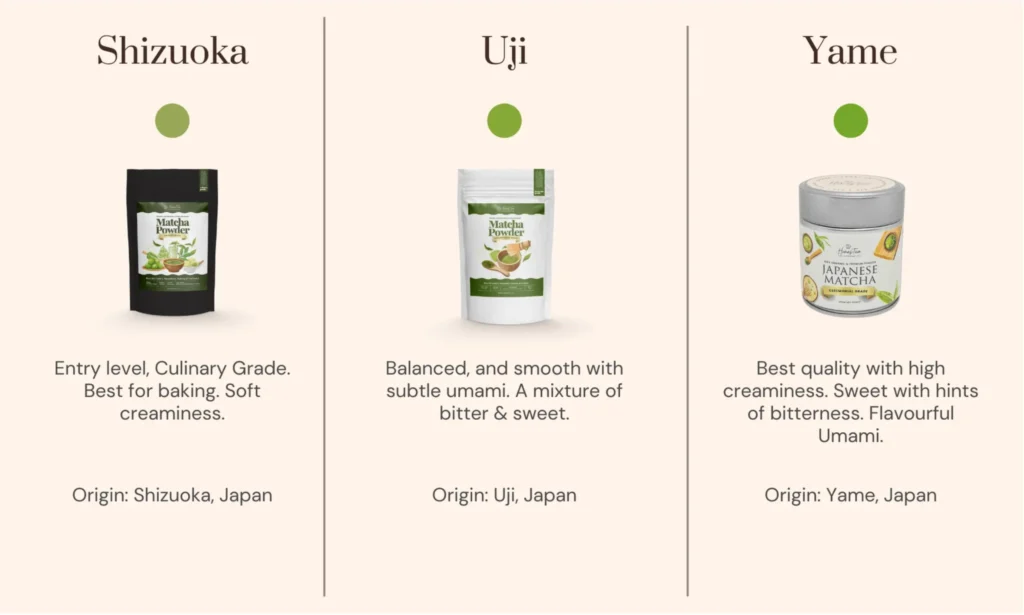
Nov
So, you’ve heard about matcha, this bright green powder that’s supposed to be good for you and taste amazing. But when you go to buy some, you see all these different names and prices, and you start to wonder, is all matcha the same? The short answer is no, definitely not. Just like coffee beans or wine grapes, where your matcha comes from, how it’s grown, and how it’s processed all make a big difference. Let’s break down what makes one matcha different from another, so you can find the perfect one for you.
Key Takeaways
- Matcha isn’t just one thing; its quality and flavor depend heavily on where it’s grown, like in Japan’s Uji or Fukuoka regions, and how it’s cultivated.
- The taste of matcha can range from deep, savory notes to lighter, sweeter, and floral undertones, with blends creating even more complex flavors.
- Visual cues like vibrant emerald color and a smooth texture are good indicators of high-quality matcha, while clumps might suggest lower quality.
- Matcha comes in different grades, such as Ceremonial for traditional preparation and Culinary for cooking and lattes, each suited for different uses.
- The skill of tea masters is vital in cultivating, blending, and ensuring the consistent quality and unique flavor profiles of different matchas.
The Verdant Spectrum: Unveiling Matcha’s Diverse Origins
Matcha isn’t just one thing; it’s a whole world of green, and where it comes from plays a huge part in what you taste. Think of it like wine – the soil, the climate, the way it’s grown, all of that matters. Japan, of course, is where matcha really got its start, and certain regions are famous for a reason.
Terroir’s Influence: Uji’s Historic Legacy
When people talk about the birthplace of matcha, they’re usually talking about Uji, a city near Kyoto. This place has been growing tea for centuries, and they’ve really perfected the art. The soil there, combined with the misty climate and the way they shade the tea plants, creates a very specific kind of matcha. It’s often described as having a deep, savory umami flavor, with a rich, smooth feel. Uji matcha is considered the benchmark for quality, a true classic. It’s the kind of matcha that has a long history behind it, and you can really taste that tradition in every sip.
Fukuoka’s Embrace: The Yame Valley’s Distinctive Character
Moving over to Fukuoka Prefecture, the Yame Valley is another area that’s really making a name for itself. While Uji is historic, Yame offers its own unique take on matcha. Teas from this region are often noted for their beautifully balanced flavor, sometimes leaning towards a mellow sweetness with subtle floral notes. It’s a bit different from the classic Uji profile, offering a refined taste that’s still very high quality. Master Naoya Kawakami, a respected tea master, hails from Yame and crafts some exceptional matcha from this area, showing the distinct character that can come from this region.
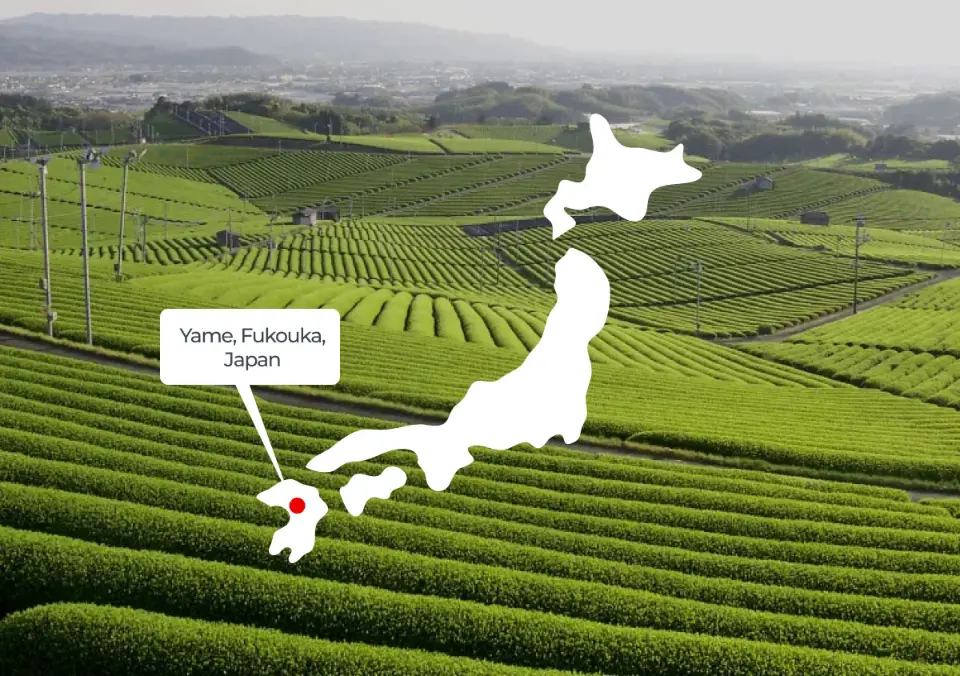
The Yame Valley’s Distinctive Character
Beyond Japan: Exploring Global Matcha Cultivation
While Japan is the undisputed home of high-quality matcha, you might see matcha coming from other places now. Countries like China, South Korea, and even some parts of the US are growing tea plants and making matcha. The methods and the environment are different, though. This can lead to matcha that has a different flavor profile, sometimes less complex or with a more pronounced grassy note. It’s interesting to see how matcha is being cultivated elsewhere, but for that deep, traditional flavor and the assurance of quality that comes from centuries of practice, Japan, particularly regions like Uji and Yame, remains the gold standard.
A Symphony of Flavor: Decoding Matcha’s Taste Profiles
Matcha isn’t just one flavor; it’s a whole spectrum. Think of it like wine or coffee – different beans, different regions, different processing all lead to unique tastes. When we talk about matcha, especially the high-quality kind from places like Uji and Yame in Japan, we’re talking about a complex sensory experience.
Umami’s Depth: The Savory and Oceanic Notes
One of the first things you’ll notice with good matcha is its umami. This is that deep, savory taste, kind of like what you find in mushrooms or a good broth. For matcha, it often has a subtle oceanic quality, a hint of the sea breeze. It’s not fishy, but it has a richness that makes your mouth water. This profound umami is a hallmark of carefully cultivated and processed matcha, especially from the historic tea regions of Japan. It’s what gives matcha its satisfying, lingering finish.
Sweetness and Bloom: Floral and Vegetal Undertones
Beyond the savory notes, there’s a delicate sweetness. This isn’t like sugar-sweetness; it’s more natural, like the sweetness of fresh vegetables or a hint of flowers. You might pick up on subtle vegetal notes, reminiscent of fresh spring greens. The best matcha has a clean, bright character that balances the umami perfectly. It’s this interplay between savory depth and gentle sweetness that makes high-quality matcha so captivating.
The Art of the Blend: Crafting Nuanced Flavors
Matcha producers, especially the seasoned tea masters in places like Uji and Yame, don’t just pick leaves and grind them. They carefully blend different tea harvests and even different tea bushes to create a specific flavor profile. This blending is an art form. A master blender can create a matcha that is smooth and rich, or one that is bright and invigorating. They aim for balance, ensuring that no single note overpowers another. The result is a cup that is both complex and harmonious, a true reflection of the tea master’s skill and the quality of the tea leaves.
The Visual Language of Quality: Color and Texture
When you’re looking at matcha, the first thing that often catches your eye is its color. It’s like the initial handshake, giving you a hint about what’s to come. High-quality matcha, especially from renowned regions like Uji or Yame, typically boasts a vibrant, almost electric green hue. This intense color comes from the careful cultivation process, where tea plants are shaded for weeks before harvest, boosting chlorophyll production. Think of it as nature’s way of saying ‘this is good stuff.’
Emerald Hues: The Significance of Vibrant Color
The shade of green in matcha isn’t just for show; it’s a direct indicator of the tea’s quality and freshness. The younger the leaves and the more meticulous the shading and processing, the deeper and more vivid the green. Lower grades might appear more yellowish or even brownish, suggesting older leaves or less careful handling. This bright green is a sign of high chlorophyll content and a rich antioxidant profile. It’s the visual promise of that fresh, vegetal flavor we often associate with good matcha.
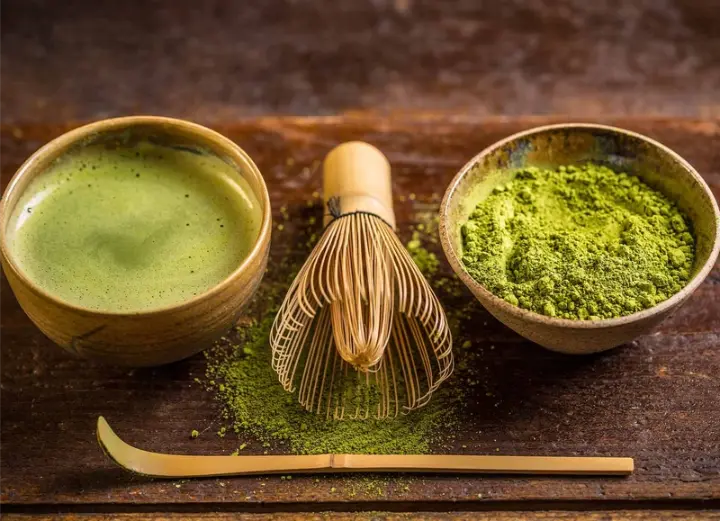
Emerald Hues: The Significance of Vibrant Color
Velvety Smoothness: The Texture of Finely Ground Matcha
Beyond color, the texture of matcha powder is another key quality marker. Truly excellent matcha feels incredibly fine, almost like powdered silk or talc, when you rub a small amount between your fingers. This fineness is achieved through slow, traditional stone grinding. The slower the grind, the less heat is generated, which helps preserve the delicate flavors and vibrant color. If the powder feels gritty or coarse, it likely wasn’t ground as finely, which can affect how smoothly it dissolves and the overall mouthfeel.
Clarity in the Cup: Avoiding Clumps and Imperfections
When you whisk matcha, it should create a smooth, frothy suspension in the water. High-quality matcha, when properly sifted before whisking, will dissolve with minimal effort, creating a uniform color and a pleasant, creamy texture. You shouldn’t see large clumps or a gritty sediment at the bottom of your bowl. Sometimes, a bit of clumping can happen if the matcha isn’t fresh or if it wasn’t ground finely enough. Using a good matcha sifter, like those made by Kotodo, can make a big difference here, ensuring a smooth, enjoyable experience every time.
The visual cues of color and texture are your first guides to a matcha’s potential. A bright, emerald green and a silky-fine powder are strong indicators of careful cultivation and processing, often found in traditional Japanese tea regions.
Grades and Their Purpose: From Ceremonial to Culinary
Matcha isn’t just one thing; it’s a whole spectrum, and how it’s graded tells you a lot about what you’re getting. Think of it like wine or olive oil – there are different levels, each suited for different uses. Understanding these grades helps you pick the right matcha for your needs, whether you’re looking for a quiet moment of reflection or a vibrant addition to a recipe.
Ceremonial Grade: The Pinnacle of Purity
This is the highest grade of matcha, reserved for special occasions and traditional tea ceremonies. It comes from the very first harvest of the year, known as ichibancha. The leaves are shade-grown for an extended period, which helps develop a deep, rich umami flavor and a vibrant, almost electric green color. The texture is incredibly fine, like silk, and it dissolves smoothly into water, creating a frothy, bright green tea. Ceremonial grade matcha is meant to be enjoyed on its own, whisked with hot water, to fully appreciate its complex flavor profile and smooth finish. It’s a taste of pure tradition, often originating from historic regions like Uji in Kyoto or the Yame Valley in Fukuoka, where tea cultivation has been perfected over centuries.
Premium Grade: Versatility for Daily Enjoyment
Premium grade matcha is a step down from ceremonial, but still offers excellent quality. It’s often made from the first or second harvest. While it might not have the same intense vibrancy or complex umami as ceremonial grade, it’s still very smooth, has a pleasant sweetness, and a good green color. This grade is fantastic for everyday drinking, especially if you enjoy usucha (thin tea) or want to make a really good matcha latte. It balances quality with accessibility, making it a great choice for regular enjoyment. Many premium grades, like those from Yame, offer a beautiful balance of sweetness and a clean finish, perfect for daily rituals.
Culinary Grade: Robustness for Creative Applications
Culinary grade matcha is designed for cooking and baking. It typically comes from later harvests, and the leaves might not be as carefully shade-grown. This results in a bolder, more robust flavor that can stand up to other ingredients like milk, sugar, or flour. The color might be a bit less vibrant, and there could be a touch more astringency, but this is actually a good thing when you’re mixing it into recipes. It ensures the matcha flavor still comes through clearly in things like smoothies, cakes, cookies, and lattes. While not ideal for traditional tea ceremonies, culinary grade matcha is your go-to for adding that distinctive matcha taste and color to your culinary creations.
| Grade | Harvest Time | Flavor Profile | Best Use |
|---|---|---|---|
| Ceremonial | First Flush | Deep umami, smooth, slightly sweet, vegetal | Traditional tea ceremony, enjoyed on its own |
| Premium | 1st/2nd Flush | Balanced, smooth, good sweetness, mild umami | Daily drinking, matcha lattes, light baking |
| Culinary | Later Flushes | Robust, bold, slightly astringent, less sweet | Lattes, smoothies, baking, desserts, cooking |
The distinction between grades is not about one being ‘bad’ and another ‘good,’ but rather about suitability for purpose. Each grade is crafted to perform best in its intended application, reflecting the diverse ways matcha can be enjoyed.
The Master’s Touch: The Role of Tea Masters
Guardians of Tradition: Expertise in Cultivation and Blending
When we talk about truly exceptional matcha, we’re really talking about the culmination of generations of knowledge. Tea masters, often referred to as ‘Chashi’ or ‘Nihoncha-shi’, are the keepers of this legacy. They don’t just grow tea; they understand the soil, the climate, and the specific needs of the tea plants down to a granular level. This deep connection to the land, especially in historic regions like Uji and the Yame Valley in Fukuoka, is where the unique character of Japanese matcha truly begins. They meticulously oversee every step, from shading the tea plants to protect them from direct sunlight, which encourages the production of amino acids that give matcha its sweet, savory notes, to the precise moment of harvest. The blending process itself is an art form, where masters combine teas from different fields or harvests to create a balanced and consistent flavor profile that defines their signature style. It’s this dedication to tradition and refined skill that separates good matcha from the extraordinary.
The Kawakami Philosophy: Precision and Purity
Master Naoya Kawakami, a third-generation sencha farmer from Yame, embodies this philosophy of precision and purity. His approach is rooted in a profound respect for the tea and the drinker. He believes that any imperfection, any hint of bitterness that distracts from the natural sweetness and umami, is a disservice. This isn’t just about making tea; it’s about crafting an experience of calm and well-being. His exacting standards mean that every leaf is treated with care, and every blend is a deliberate creation aimed at delivering a moment of pure, unadulterated tranquility. It’s this commitment to quality, free from compromise, that truly defines the essence of authentic Japanese matcha.
Signature Blends: Creating Distinctive Matcha Experiences
Tea masters are not just preservers of tradition; they are also innovators. Through careful blending, they create unique matcha profiles that cater to different tastes and uses. For instance, a blend designed for traditional tea ceremonies might prioritize a delicate, complex flavor with a smooth finish, while another might be crafted for lattes, needing a more robust character to stand up to milk and sweeteners. These signature blends are the result of years of tasting, experimenting, and understanding the subtle interplay of different tea harvests. They are the master’s way of expressing their artistry and offering a distinct matcha experience, whether it’s the bright, fresh notes of a premium grade or the deep, savory character of a ceremonial grade, all originating from the esteemed tea-growing regions of Japan.
Freshness and Maturation: The Impact of Harvest Time
The time of year a tea is harvested plays a significant role in its final character. For matcha, this means understanding the nuances of the first flush and how teas are traditionally treated after harvest.
Ichibancha: The First Flush’s Ephemeral Aroma
Ichibancha, or the first flush, refers to the very first leaves picked from the tea plant in the spring. These young, tender leaves are packed with nutrients and possess a delicate, vibrant flavor. This initial harvest is crucial for the highest grades of matcha, contributing to its bright green color and fresh, vegetal notes. While this first flush is celebrated for its freshness, it’s important to note that matcha, unlike some other green teas, isn’t typically marketed as ‘shincha’ (new tea) because its desirable flavor profile benefits from a period of maturation.
Shincha: The Essence of New Tea
Shincha literally translates to “new tea” and specifically refers to the first flush tea that is processed, packaged, and sold very quickly after harvest, without being stored. This preserves the bright, aromatic qualities of spring. However, for matcha, the intense, bright aromas of shincha can sometimes clash with the desired mellow, umami-rich profile. Traditional methods often involve aging matcha leaves until late summer or autumn. This allows the brighter, grassier notes to mellow, letting the deeper, savory flavors develop.
The Art of Aging: Maturing Flavors for Umami
While the idea of “aging” tea might sound counterintuitive, for matcha, it’s a deliberate process that refines its taste. After the initial harvest and processing, matcha leaves are often stored for a period. This maturation allows the sharp, grassy notes from the fresh spring growth to soften. What emerges is a more rounded, complex flavor profile with a deeper umami character. This is particularly true for matcha from renowned regions like Uji and Yame, where the focus is on achieving that signature smooth, savory depth that comes with careful aging and expert blending. This patient approach is what distinguishes truly exceptional matcha.
The Takeaway: It’s Not Just Green Powder
So, as we’ve seen, not all matcha is created equal. It’s a bit like comparing a quick sketch to a finished oil painting. The difference comes down to where it’s grown, how it’s cared for, and how it’s ground. You’ve got the everyday stuff that’s fine for a quick pick-me-up, and then you have the really special grades that offer a whole experience. Paying attention to these details can really change how you enjoy your matcha, whether you’re sipping it straight or adding it to your favorite drink. It’s worth exploring the nuances to find what truly suits your taste.
Read more: Is Matcha Detoxifying? Exploring the Health Benefits of Green Tea


Quicl access to
You may also be interested in
Is Matcha Cheaper in Japan? Exploring the Cost of Authentic Japanese Matcha
So, you’re wondering if buying matcha in Japan actually saves you money. It’s a pretty...
Oct
Why “Ceremonial Grade” is Meaningless PD
Every year, around April and May, the Japanese tea world is thrust into “Shincha Season”....
Aug
Unveiling the Secrets: A Deep Dive into How Matcha is Produced
Ever wondered how that vibrant green powder, matcha, gets from the tea field to your...
Nov
Is Matcha Just Ground Green Tea? Unpacking the Differences
Lots of people wonder if matcha is just regular green tea, but ground up. It’s...
Nov
Is Matcha Detoxifying? Exploring the Health Benefits of Green Tea
Lots of people are talking about matcha these days, and you might have heard it’s...
Nov
Unlock Premium Quality: Your Guide to Kagoshima Matcha Wholesale
We’re diving into the world of premium matcha, specifically focusing on kagoshima matcha wholesale. It’s...