

Industry News, Market Insight
How to Start a Matcha Business: A Step-by-Step Guide

Oct
Thinking about starting your own matcha business? It sounds exciting, right? Matcha is super popular, and lots of people are looking for good quality tea. But where do you even begin? This guide breaks down how to start a matcha business, from figuring out what makes your brand special to getting the best tea and sharing it with the world. We’ll cover the main steps to help you get your matcha venture off the ground.
Key Takeaways
- Figure out what kind of matcha business you want to run and what makes it unique.
- Learn about different matcha grades and how to find good quality tea from reliable sources.
- Develop a brand story and look that connects with customers.
- Create a solid plan for your business, including legal stuff and how you’ll sell your matcha.
- Build a community around your brand by sharing your passion and offering great service.
Cultivating Your Matcha Vision
Before you even think about sourcing tea or designing a logo, it’s important to really understand what you want your matcha business to be. This isn’t just about selling a product; it’s about creating an experience and a brand that people connect with. Think about the kind of matcha you want to offer and who you want to offer it to.
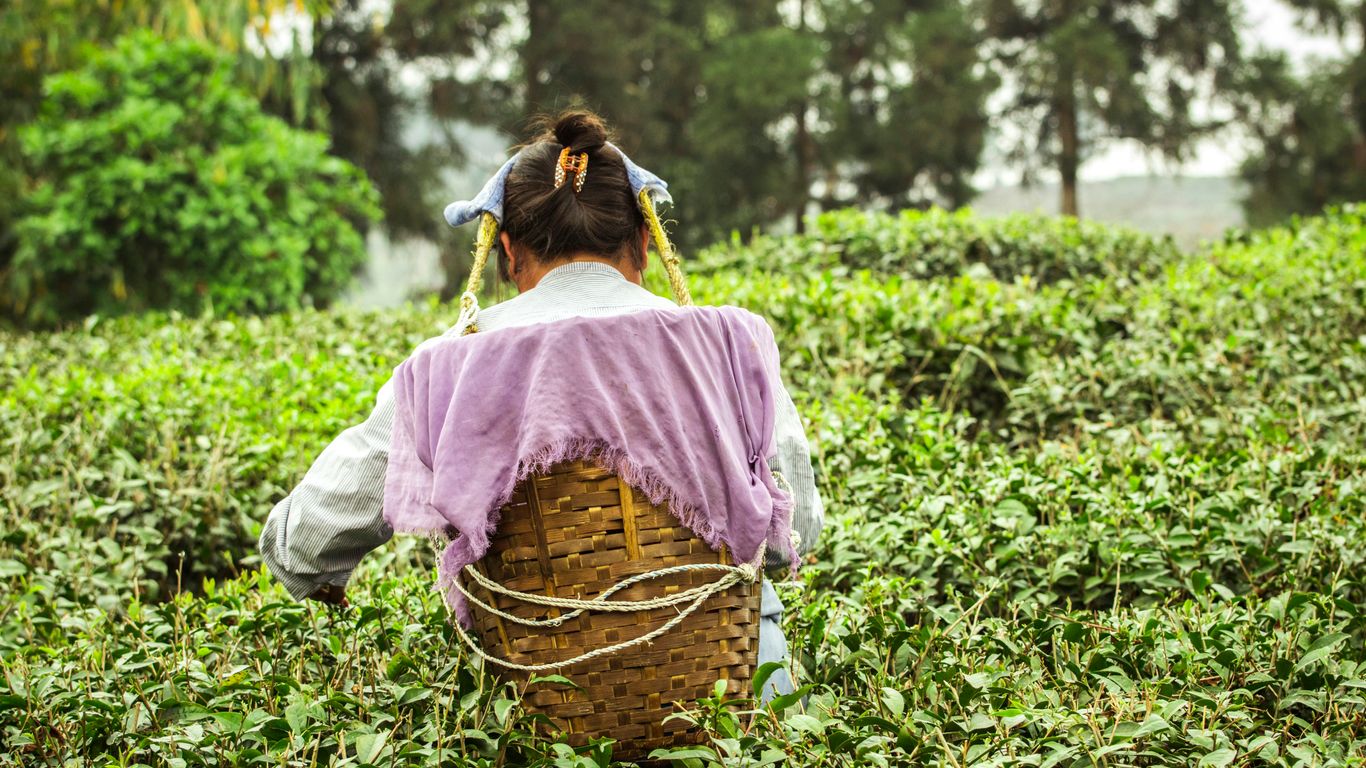
Cultivating Your Matcha Vision
Defining Your Niche in the Matcha Market
The matcha market is growing, and it’s not all the same. You have everything from super-premium, ceremonial grades meant for quiet contemplation to more robust grades perfect for lattes and baking. Where do you fit in? Are you aiming for the high-end connoisseur who appreciates the subtle nuances of a Yame-grown tea, or are you targeting the everyday consumer looking for a delicious and energizing drink?
Consider these points:
- Target Audience: Who are you trying to reach? (e.g., health-conscious individuals, busy professionals, tea enthusiasts, cafes).
- Product Focus: Will you specialize in a specific grade or offer a range? Will you focus on single-origin teas from regions like Uji or Yame, or offer blends?
- Price Point: How will your pricing reflect the quality and niche you’re targeting?
Envisioning Your Brand’s Unique Identity
What makes your matcha business stand out? It’s more than just the tea itself. It’s the story, the aesthetic, and the feeling customers get when they interact with your brand. Think about the values you want to represent. Do you want to be seen as traditional and authentic, modern and innovative, or perhaps focused on sustainability and ethical sourcing?
Your brand identity should be consistent across everything you do, from your packaging to your website and social media. A strong, clear identity helps customers understand what you’re about and why they should choose you.
Articulating Your Business’s Core Values
What principles will guide your business decisions? These values are the foundation of your brand and will shape how you operate and how you’re perceived. For example, a commitment to quality might mean sourcing only from specific, trusted farms in Japan known for their meticulous cultivation. A focus on community could lead to events or partnerships that bring people together over tea.
Think about:
- Quality: What does quality mean to you, and how will you maintain it?
- Authenticity: How will you ensure and communicate the genuine origin and tradition of your matcha?
- Sustainability: Are there environmental or social practices you want to prioritize?
- Customer Experience: What kind of relationship do you want to build with your customers?
Defining these aspects early on will provide a clear direction as you build your matcha business.
Sourcing the Emerald Elixir
Finding the right matcha is like finding a rare gem. It’s not just about the color, though a vibrant green is a good sign. It’s about the journey from the tea bush to your cup. As a tea expert from AnbanTea, I’ve seen firsthand how much care goes into producing truly exceptional matcha, especially from regions like Yame and Uji in Japan.
Understanding Matcha Grades and Their Applications
Matcha isn’t a one-size-fits-all kind of tea. There are different grades, and each has its own strengths. Think of it like different cuts of diamond – each suited for a particular purpose.
- Ceremonial Grade: This is the highest quality, made from the youngest tea leaves. It’s incredibly smooth, with a deep umami flavor and a naturally sweet finish. It’s best enjoyed on its own, whisked with hot water (usucha) or even prepared as a thicker tea (koicha). It’s delicate and complex.
- Premium/Latte Grade: This grade is still very high quality, but it’s designed to hold up beautifully when mixed with milk or sweeteners. It has a bolder flavor that won’t get lost, and a vibrant color that stays true. It’s perfect for lattes, smoothies, and other mixed beverages. This is often a great choice for businesses looking for that balance of quality and versatility.
- Culinary Grade: This grade is more robust and is best suited for baking and cooking. Its flavor is stronger, and it can withstand heat better. While it’s great for adding a matcha flavor to food, it’s generally not recommended for drinking straight.
Establishing Direct Partnerships with Tea Farms
To really get the best matcha, we believe in working directly with the farmers. This isn’t always easy, but it’s worth it. It means we can talk to the people who grow the tea, understand their methods, and make sure the quality is top-notch from the very start. Building these relationships helps us get consistent, high-quality matcha, often from specific regions known for their tea, like Yame in Fukuoka or the historic Uji region near Kyoto.
Establishing Direct Partnerships with Tea Farms
Ensuring Quality Through Sensory Evaluation
Before any matcha is ready for you, it needs to be tasted and evaluated. This is where the art and science of tea come together. We look at:
- Color: A bright, vivid green is a sign of freshness and good quality. Dull or yellowish colors can indicate older leaves or improper processing.
- Aroma: Fresh matcha should have a clean, vegetal, and slightly sweet scent. Any off-putting smells are a red flag.
- Texture: The powder should be extremely fine, almost like silk. If it feels gritty, it might not have been ground properly.
- Taste: This is the most important part. We taste for umami, sweetness, bitterness, and the overall finish. A good matcha should be smooth and pleasant, without being overly bitter or astringent.
The journey of matcha from leaf to powder is a testament to tradition and meticulous care. Understanding the nuances of its grades and sourcing directly from dedicated growers are the first steps to offering a truly authentic experience.
Crafting Your Brand Narrative
Your brand narrative is more than just a logo or a tagline; it’s the soul of your matcha business. It’s how you connect with your customers on a deeper level, sharing the story behind the vibrant green powder. Think about what makes your matcha special. Is it the specific region it comes from, like the renowned tea fields of Uji or Yame in Japan? Perhaps it’s the meticulous cultivation process or the dedication of the tea farmers. Authenticity and quality are the cornerstones of a compelling narrative.
Developing a Compelling Brand Story
Every great brand has a story. For matcha, this story often involves tradition, nature, and a mindful approach to life. Consider the journey of the tea leaf, from the shaded fields to the stone-ground powder. You can highlight the heritage of Japanese tea cultivation, passed down through generations. Sharing this narrative helps customers appreciate the value and care that goes into each serving.
Designing Visually Appealing Packaging
Packaging is your brand’s first impression. It should reflect the quality and essence of your matcha. Think about colors, textures, and imagery that evoke the natural beauty and purity of the tea. Simple, elegant designs often work best, allowing the vibrant green of the matcha itself to stand out. Consider materials that are sustainable and communicate a commitment to the environment.
Communicating Authenticity and Origin
Customers are increasingly interested in where their food and drinks come from. Be transparent about your matcha’s origin. If you source from specific regions in Japan, like Yame or Uji, make that known. This not only builds trust but also educates consumers about the nuances of different matcha terroirs. Sharing details about the tea farms and the people behind the matcha adds a personal touch that resonates with buyers. You can find partners who are committed to authentic quality from Japan.
Here’s a look at how different grades might be presented:
| Grade | Flavor Profile | Ideal Use Cases |
|---|---|---|
| Ceremonial | Delicate, sweet, umami, smooth | Traditional tea ceremony, pure usucha (thin tea) |
| Premium | Balanced, rich, slightly vegetal, smooth | Lattes, smoothies, high-end culinary applications |
| Culinary | Bold, robust, slightly astringent, bright green | Baking, cooking, everyday lattes and mixed drinks |
The story you tell about your matcha should be as carefully crafted as the tea itself. It’s about sharing a piece of culture and a moment of tranquility with every cup.
Navigating the Business Landscape
Setting up a matcha business involves more than just finding great tea. You need a solid plan to make sure everything runs smoothly. This means looking at the numbers, understanding the rules, and figuring out how you’ll sell your product.
Formulating a Robust Business Plan
A business plan is your roadmap. It helps you think through every part of your venture, from your initial idea to how you’ll grow. It’s not just for getting loans; it’s for your own clarity. Think about your target market, your competition, and how you’ll stand out. A well-researched plan is the foundation for success.
Key elements to consider:
- Market Analysis: Who are your customers? What do they want? What are competitors doing?
- Product Strategy: What kind of matcha will you offer? What grades? How will you ensure quality, perhaps by sourcing directly from regions like Yame or Uji?
- Marketing and Sales: How will you reach customers? Online, in-person, wholesale?
- Financial Projections: Startup costs, operating expenses, revenue forecasts.
Understanding Regulatory Compliance
Every business needs to follow certain rules. For food products like matcha, this often includes food safety standards and proper labeling. It’s important to know what regulations apply in your area and to your specific products. This might involve registering your business, understanding import/export laws if you source internationally, and ensuring your packaging meets requirements. Staying compliant avoids future headaches.
Exploring Wholesale and Retail Strategies
How will your matcha reach customers? You can sell directly to consumers (retail) or to other businesses (wholesale). Many businesses do both. Retail allows for direct customer interaction and higher profit margins per sale. Wholesale, on the other hand, can provide larger, more consistent orders. Consider offering different grades of matcha for different channels. For example, a premium ceremonial grade might be best for direct sales, while a versatile café grade could be ideal for wholesale to cafes and restaurants. Exploring partnerships with tea farms in Japan, like those in Uji, can also open doors for unique wholesale opportunities.
Building a successful matcha business requires careful planning and attention to detail. From understanding the market to ensuring regulatory compliance and choosing the right sales channels, each step is important. Focusing on authentic quality, like that found in traditional Japanese tea regions, can set your business apart.
Building Your Matcha Community
Engaging Customers Through Educational Content
Sharing knowledge about matcha is key to building a loyal following. Think about what makes matcha special – its history, the way it’s grown and processed, and the different grades available. When people understand the care that goes into producing high-quality matcha, especially from regions like Uji or Yame in Japan, they appreciate it more. You can create blog posts, short videos, or even host online Q&A sessions. Explaining the difference between ceremonial and culinary grades, for example, helps customers make informed choices and feel more connected to the product.
Leveraging Social Media for Brand Awareness
Social media is a great place to show off your matcha. High-quality photos and videos of your products, how to prepare them, and the lifestyle around matcha can attract attention. Think about sharing behind-the-scenes glimpses of your sourcing or preparation. Engaging with followers by asking questions and responding to comments builds a sense of connection. Consistent posting and using relevant hashtags can help new people discover your brand. Consider running small contests or sharing user-generated content to encourage interaction.
Fostering Loyalty Through Exceptional Service
Good customer service goes a long way. This means being responsive to inquiries, handling any issues with care, and making the purchasing process smooth. When customers feel valued, they are more likely to return. Think about personalized touches, like a handwritten thank-you note with an order or remembering a customer’s preferences. Building relationships, rather than just making sales, is what creates a lasting community around your matcha business. This approach helps people feel like they are part of something special, connected by their shared appreciation for quality tea.
The Art of Matcha Presentation
Presenting matcha isn’t just about pouring a drink; it’s about creating an experience. It’s where the quality of the tea, carefully sourced from places like Yame or Uji in Japan, truly shines. How you prepare and serve it can make all the difference to your customers.
Mastering Latte Art and Beverage Crafting
When making matcha lattes, the goal is a smooth, creamy texture. This comes from using high-quality matcha powder that dissolves well, not clumping up. For latte art, you need a good balance of matcha and milk. Too much matcha can make it bitter, and too little, it won’t have that vibrant green color.
- Whisking Technique: Use a bamboo whisk (chasen) to break up any clumps and create a frothy base before adding milk.
- Milk Choice: Oat milk or whole milk often create the best foam for latte art due to their fat content.
- Pouring: A slow, steady pour is key to creating designs. Practice makes perfect here.
Creating Harmonious Flavor Pairings
Matcha has a unique flavor profile that can be enjoyed on its own or paired with other tastes. Think about what complements its natural sweetness and slight bitterness.
- Sweeteners: A touch of honey, agave, or simple syrup can balance the flavor, especially for those new to matcha.
- Baked Goods: Matcha pairs wonderfully with vanilla, white chocolate, and citrus flavors. Think matcha cookies or cakes.
- Savory Notes: In more traditional settings, matcha can be served with light, delicate sweets like wagashi, which are designed to not overpower the tea’s flavor.
Designing an Inviting Customer Experience
Beyond the drink itself, the environment and how you serve it matter. It’s about creating a moment of calm and enjoyment.
- Serveware: Using beautiful ceramic bowls or cups can enhance the visual appeal.
- Ambiance: A clean, peaceful space encourages customers to slow down and savor their drink.
- Education: Briefly explaining the origin of the matcha or its benefits can add a layer of appreciation.
The true beauty of matcha presentation lies in its simplicity and the respect shown to the tea itself. When you start with exceptional matcha, like that from the renowned regions of Yame and Uji, the presentation naturally becomes more elegant and appealing. It’s a reflection of the care taken from the tea field to the cup.
The Journey Continues
So, you’ve walked through the steps of starting your own matcha business. It’s a path that requires care, from finding the right tea to sharing its unique qualities with the world. Remember, the heart of this venture lies in the quality of the matcha itself and the genuine connection you build with your customers. Whether you’re aiming for a cozy café or a global brand, the dedication to sourcing excellent tea and presenting it with passion will guide your success. Keep exploring, keep learning, and let the vibrant spirit of matcha inspire your business journey.
Read more: Do You Need a Matcha Whisk? Essential Tools for the Perfect Matcha


Quicl access to
You may also be interested in
Where to Buy Matcha Wholesale: Your Ultimate Guide
Looking to buy matcha wholesale? We get it. Finding the right supplier is a big...
Nov
Unlock Premium Quality: Your Guide to Japanese Matcha Wholesale
We’re here to talk about getting the best Japanese matcha wholesale. It can seem a...
Oct
Mastering the Art: How to Correctly Make Matcha for the Perfect Brew
So, you want to make matcha? It’s not as hard as it looks, honestly. Lots...
Nov
The Ultimate Guide to Sourcing Organic Matcha Wholesale for Your Business
If you’re looking to bring high-quality matcha into your business, understanding the world of organic...
Nov
The Best Matcha Bulk Powders for Your Business
Finding the right matcha bulk powders for your business can feel like a quest. We’ve...
Nov
Mastering the Art: A Simple Guide on How to Mix Matcha for the Perfect Cup
So, you’ve got some matcha powder and you’re ready to make a cup, but you’re...
Oct