

Industry News, News
How Much Matcha Powder for Matcha Latte: The Perfect Ratio Explained
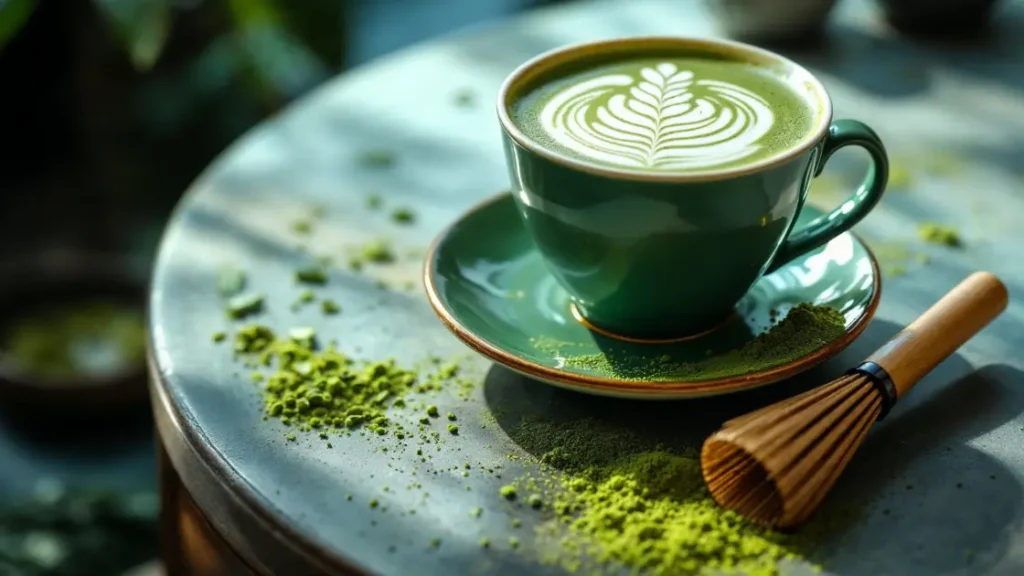
Oct
Making a great matcha latte at home can seem a little tricky. You want that perfect balance of earthy matcha flavor and creamy milk, without it tasting too bitter or too weak. A lot of it comes down to getting the amount of matcha powder just right. This guide will help you figure out how much matcha powder for matcha latte you should use, so you can stop guessing and start sipping a delicious drink every time. We’ll cover the basics of matcha and how to mix it for the best results.
Key Takeaways
- The amount of matcha powder affects the latte’s flavor intensity and bitterness.
- A common starting point is 1-2 teaspoons (about 2-4 grams) of matcha powder per serving.
- Adjust the matcha quantity based on your preference for a stronger or milder taste.
- Using higher quality matcha generally means you can use less powder for a good flavor.
- Always sift your matcha powder to avoid clumps and ensure a smooth drink.
Understanding Matcha Powder for Lattes
The Essence of Matcha Powder
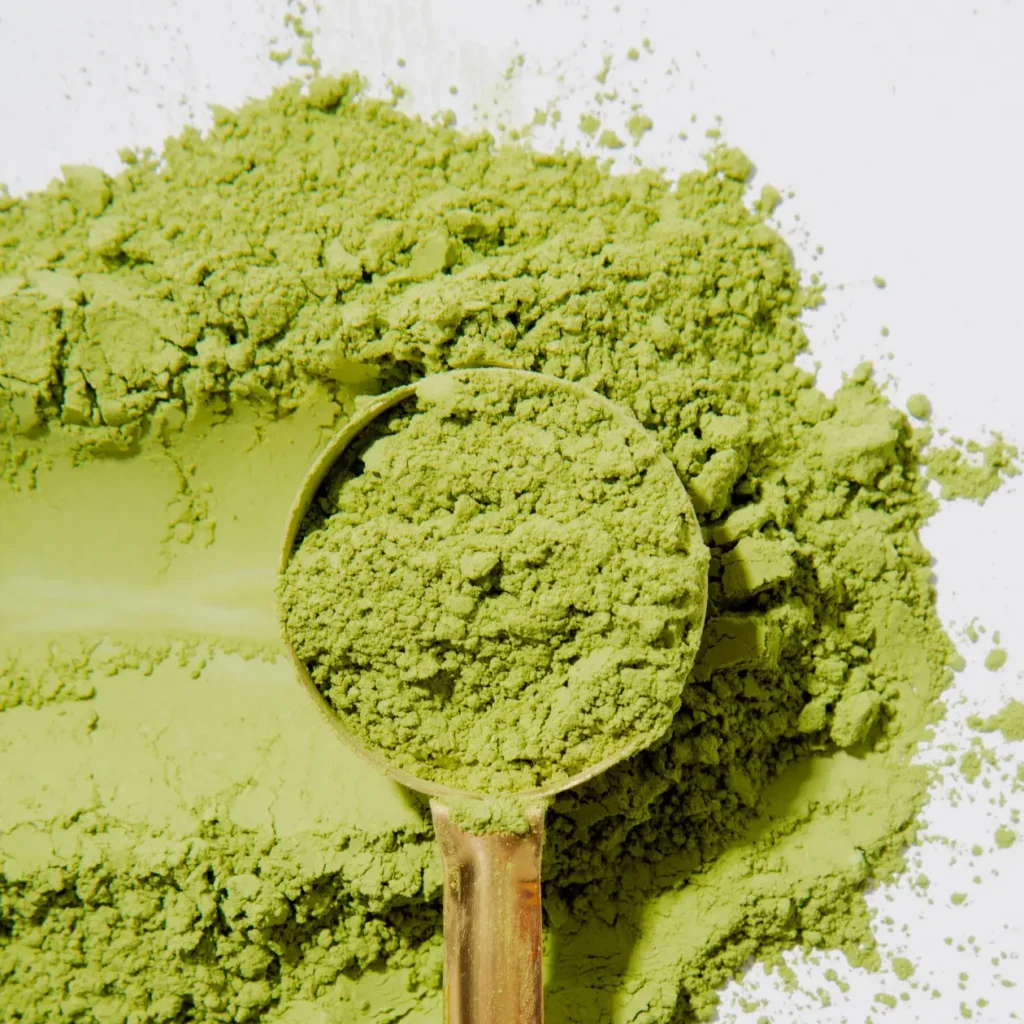
Matcha isn’t just any green tea; it’s a finely ground powder made from shade-grown tea leaves, primarily from regions like Uji and Yame in Japan. The process of growing, harvesting, and grinding these leaves is what gives matcha its unique character. Unlike regular green tea, where you steep the leaves and discard them, with matcha, you consume the entire leaf. This means you get a more concentrated dose of nutrients and flavor. For a latte, this concentrated essence is key. It needs to be vibrant enough to stand up to milk and any added sweeteners, providing that distinct, pleasant green tea taste without being too bitter or grassy.
The Essence of Matcha Powder
Grades of Matcha and Their Latte Suitability
Not all matcha is created equal, and the grade you choose can make a big difference in your latte. Generally, matcha is categorized into a few main grades:
- Ceremonial Grade: This is the highest quality, made from the youngest tea leaves. It’s incredibly smooth, has a naturally sweet flavor, and a vibrant green color. While beautiful for traditional tea ceremonies, its delicate flavor can sometimes get lost in a latte with milk.
- Premium Grade: Often considered the best all-rounder. It offers a good balance of flavor, color, and smoothness. This grade usually has a pleasant sweetness with a subtle, clean finish, making it excellent for lattes where you want a noticeable matcha taste without overwhelming bitterness.
- Culinary Grade: This grade is typically more robust in flavor and color, designed to hold up well in cooking and baking. It can be a bit more astringent, which might be too strong for some in a latte, but it’s a cost-effective option if you prefer a bolder matcha presence.
For a truly satisfying matcha latte, a premium grade matcha is often the sweet spot. It provides that authentic matcha experience that is both rich and enjoyable when mixed with milk.
Sensory Attributes of Quality Matcha
When selecting matcha for your latte, pay attention to a few key sensory details. The color is a primary indicator; high-quality matcha should have a bright, vivid green hue. Dull or yellowish green can suggest older leaves or improper storage. The aroma should be fresh and slightly vegetal, not stale or musty. When you taste it, a good matcha will have a smooth, creamy texture with a pleasant umami flavor. While a slight, clean astringency is normal, especially in premium grades, it shouldn’t be harsh or overwhelmingly bitter. The fine powder consistency is also important for easy whisking and a smooth final drink. Matcha from renowned regions like Yame and Uji in Japan is often recognized for these superior qualities, a testament to generations of careful cultivation and processing.
The Art of Matcha Latte Proportions
Achieving the perfect matcha latte is a delicate balance, much like the art of traditional Japanese tea ceremony. It’s not just about mixing ingredients; it’s about understanding how each element plays a role in the final taste and texture. The ratio of matcha powder to liquid is the cornerstone of this art.
Defining the Ideal Matcha-to-Liquid Ratio
For a standard matcha latte, a good starting point is about 1 to 2 teaspoons (2-4 grams) of matcha powder per 6-8 ounces of liquid. This provides a noticeable matcha flavor without being overwhelmingly bitter or too weak. Think of it as the foundational note in a symphony of flavors.
Here’s a general guideline:
- For a lighter, more subtle matcha flavor: Use 1 teaspoon (2 grams) of matcha powder.
- For a balanced, classic matcha latte: Use 1.5 teaspoons (3 grams) of matcha powder.
- For a bolder, more intense matcha experience: Use 2 teaspoons (4 grams) of matcha powder.
Remember, the quality of your matcha plays a significant role here. A premium matcha, like those carefully cultivated in the renowned regions of Yame or Uji, will offer a richer flavor profile that can stand up to milk better than lower grades. This means you might need less powder to achieve a satisfying taste.
Adjusting for Personal Palate Preferences
While the general guidelines are helpful, your personal taste is the ultimate arbiter. Do you prefer a stronger, more robust matcha flavor, or something more mellow? Don’t be afraid to experiment. Start with the recommended amount and adjust in subsequent preparations. A little more powder can bring out a deeper umami, while a little less can create a smoother, more delicate drink.
Consider these factors when adjusting:
- Your Sensitivity to Bitterness: Some people are more sensitive to the natural bitterness of tea. If this is you, start with less matcha and gradually increase.
- The Matcha’s Origin and Grade: As mentioned, high-quality matcha from regions like Yame or Uji often has a smoother, less astringent profile, allowing for a slightly higher powder-to-liquid ratio without bitterness.
- Your Desired Intensity: Are you looking for a gentle morning beverage or a vibrant afternoon pick-me-up? Adjust the powder amount to match your mood and needs.
The Role of Milk and Sweeteners in Balance
The type of milk and the addition of sweeteners can significantly alter the perception of your matcha latte’s flavor. Dairy milk, with its natural sweetness and fat content, can mellow the matcha’s intensity. Non-dairy alternatives like oat or almond milk offer different flavor profiles and textures that can complement or contrast with the matcha.
Sweeteners, whether it’s simple syrup, honey, or agave, are often used to balance the matcha’s natural earthiness. The amount of sweetener needed will depend on both the matcha’s inherent flavor and your personal preference. It’s always best to add sweetener gradually, tasting as you go, to avoid overpowering the delicate matcha notes. Finding that perfect harmony between the matcha, milk, and sweetener is key to a truly delightful matcha latte.
Mastering the Matcha Latte Technique
Making a truly exceptional matcha latte is more than just mixing ingredients; it’s a mindful process that respects the delicate nature of the tea. Achieving that perfect balance of flavor and texture requires attention to a few key steps. From preparing the powder to the final whisk, each action plays a role in the final cup.
Mastering the Matcha Latte Technique
The Importance of Sifting Matcha
Before you even think about adding water, sifting your matcha powder is a non-negotiable step. Matcha, being a finely ground powder, can easily clump together, especially when it encounters moisture. These clumps can lead to an uneven taste and a less-than-smooth drinking experience. Sifting breaks up any small agglomerations, ensuring a uniform consistency.
- Use a fine-mesh sieve: A dedicated matcha sifter or a very fine kitchen sieve works best.
- Tap gently: Lightly tap the side of the sieve or use the back of a spoon to encourage the powder through.
- Aim for a light, airy powder: The goal is to have the matcha fall like fine dust, free from any visible clumps.
This simple step, often overlooked, is the foundation for a velvety smooth latte. It’s a small effort that yields a significant improvement in the final texture and appearance of your drink. Think of it as preparing a canvas for a masterpiece.
Whisking for a Velvety Texture
Once sifted, the matcha needs to be properly incorporated with liquid. This is where the traditional bamboo whisk, or chasen, truly shines. While a milk frother or electric whisk can be used, a chasen offers a unique ability to aerate the matcha and create a fine foam, or froth, that is characteristic of a well-made matcha.
- Start with a small amount of liquid: Add a tablespoon or two of warm water (not boiling) to the sifted matcha. This creates a paste.
- Whisk vigorously: Use a “W” or “M” motion, keeping the whisk from scraping the bottom of the bowl. This incorporates air and breaks down any remaining small clumps.
- Aim for a fine foam: Continue whisking until a delicate, frothy layer forms on the surface. This indicates the matcha is well-emulsified.
This technique is what transforms a simple mix into a creamy, integrated beverage. It’s a practice that connects you to the centuries-old traditions of tea preparation, bringing a piece of Japan’s rich tea culture into your kitchen.
Integrating Matcha with Liquids
After whisking the matcha into a smooth paste or a light froth, it’s time to combine it with the rest of your latte ingredients. The order and method of integration can affect the final taste and appearance.
- Warm the milk: Heat your milk of choice separately. If you’re using a sweetener, you can often dissolve it into the warm milk.
- Combine matcha and milk: Gently pour the whisked matcha mixture into your warmed milk. If you’ve created a froth, you can pour the liquid matcha first, then spoon the froth on top, or pour them together.
- Stir gently: A light stir is usually all that’s needed to combine the matcha and milk fully. Avoid vigorous stirring at this stage, as it can break down the delicate foam you’ve worked to create.
The quality of your matcha powder, particularly its fineness and freshness, plays a significant role in how easily it integrates and how smooth your latte will be. Matcha sourced from regions like Yame or Uji, known for their meticulous cultivation and grinding processes, tends to yield superior results, offering a richer flavor and a more pleasing texture without excessive effort.
By following these techniques, you’re not just making a drink; you’re crafting an experience. It’s about appreciating the journey from leaf to cup, a journey that, when done with care, results in a truly delightful matcha latte.
Exploring Matcha Origins and Quality
Terroir of Japanese Matcha: Yame and Uji
The story of matcha is deeply tied to its origins, with specific regions in Japan renowned for producing the finest leaves. Two such areas stand out: Yame in Fukuoka Prefecture and Uji in Kyoto Prefecture. These locations, often referred to as the “terroir” of matcha, possess unique environmental conditions that significantly influence the tea’s flavor and quality.
Yame, known for its misty mountains and rich soil, tends to produce matcha with a naturally sweet, mellow profile. The tea masters here often focus on creating blends that are smooth and approachable, making them excellent for lattes where the matcha needs to hold its own against milk and sweeteners. Think of a gentle, comforting embrace in a cup.
Uji, on the other hand, is considered the historical birthplace of matcha and is celebrated for its more complex and robust flavor profiles. Matcha from Uji often exhibits a deeper, savory umami and a vibrant green color, reflecting centuries of cultivation and blending expertise. This is the matcha that speaks of tradition and a refined, classic taste.
The Craftsmanship of Tea Masters
Beyond the land itself, the skill of the tea master is paramount in transforming tea leaves into exceptional matcha. These artisans, often with generations of knowledge, meticulously oversee every step, from cultivation to grinding. They understand the subtle nuances of the tea plants and how to coax out the best possible flavors and aromas.
- Cultivation: Shading the tea plants to increase chlorophyll and L-theanine content.
- Harvesting: Selecting only the youngest, most tender leaves.
- Processing: Carefully steaming, drying, and de-veining the leaves.
- Grinding: Slowly stone-grinding the dried leaves into the fine powder we know as matcha.
The dedication of a tea master ensures that each batch of matcha carries a distinct character and quality. This human touch, combined with the gifts of the land, is what truly defines premium matcha.
Distinguishing Premium Matcha Grades
When you’re looking for matcha, especially for a latte, understanding the different grades can help you choose the right one. While ceremonial grade is often lauded for its pure, delicate flavor meant for traditional tea ceremonies, other grades are specifically crafted for different uses.
- Ceremonial Grade: The highest quality, intended for traditional preparation (usucha or koicha). It’s smooth, vibrant, and has minimal bitterness.
- Premium Grade (or Latte Grade): Often a blend of high-quality leaves, this grade is designed to have a robust enough flavor to stand up to milk and sweeteners. It offers a good balance of flavor, color, and mixability, making it ideal for lattes and other mixed beverages.
- Culinary Grade: Generally used for cooking and baking, this grade has a stronger, sometimes more bitter flavor that is masked by other ingredients. Its color might also be less vibrant.
For a matcha latte, a premium or latte-grade matcha is usually the best choice. It provides that distinct matcha flavor without being overwhelmed by the milk, and it usually offers a beautiful green color. It’s about finding that perfect harmony for a delicious, satisfying drink.
Elevating Your Matcha Latte Experience
Terroir of Japanese Matcha: Yame and Uji
The journey of exceptional matcha begins long before it reaches your cup. It starts with the soil and climate, the unique ‘terroir’ that shapes the tea leaves. In Japan, two regions stand out for their dedication to producing high-quality matcha: Yame in Fukuoka Prefecture and Uji in Kyoto Prefecture. Yame is known for its rich, sweet flavor profile, often described as having a creamy body and subtle floral notes. This makes it a wonderful choice for lattes where you want the matcha to complement, rather than overpower, the milk. Uji, on the other hand, is the historical birthplace of matcha and is celebrated for its more complex, savory umami and deep green color. Matcha from Uji, like Ren Matcha, offers a classic, robust flavor that is truly the benchmark for authentic matcha. Understanding these regional differences helps in selecting the right matcha for your desired latte experience.
The Craftsmanship of Tea Masters
Beyond the land, the skill of the tea master is paramount. These artisans dedicate their lives to understanding the nuances of tea cultivation and processing. They meticulously select the finest leaves and oversee the stone-grinding process, which transforms the leaves into the fine powder we know as matcha. For instance, Master Naoya Kawakami, a renowned tea master, crafts specific matcha grades like Hoshi and Hana Midori, each optimized for different uses, including lattes. His expertise ensures a consistent quality and flavor that machine-processed powders simply cannot replicate. This dedication to craft is what distinguishes truly premium matcha.

The Craftsmanship of Tea Masters
Distinguishing Premium Matcha Grades
When you’re looking to make the perfect matcha latte, the grade of matcha you choose makes a significant difference. While ceremonial grade is often associated with traditional tea ceremonies, other grades are specifically designed for everyday enjoyment and mixed beverages. Premium café grade matcha, such as Hoshi Matcha, is developed to have a bolder flavor that stands up well to milk and sweeteners, offering a rich green tea taste without being too delicate. Premium grade matcha, like Hana Midori, offers a balanced flavor that is smooth and satisfying for daily drinking and lattes. Choosing a matcha specifically suited for lattes will result in a more vibrant color and a more pronounced, enjoyable flavor.
Here’s a general guide to matcha grades and their suitability for lattes:
- Ceremonial Grade: Best for traditional preparation (usucha/koicha). Can be used in lattes, but its delicate flavor might be lost in milk.
- Premium Grade: An excellent all-rounder. Offers a good balance of flavor and smoothness, making it ideal for lattes and daily drinking.
- Premium Café Grade: Specifically formulated for lattes and other mixed beverages. It has a robust flavor that cuts through milk and sweeteners, ensuring a distinct matcha taste.
- Culinary Grade: Generally used for cooking and baking, where flavor intensity is needed to stand up to other ingredients. Not typically recommended for drinking lattes due to a less refined taste and color.
The subtle differences in flavor and color between matcha grades are a direct result of the tea plant’s varietal, the specific growing conditions, and the meticulous processing by skilled tea masters. This attention to detail is what makes Japanese matcha so special.
Finding Your Perfect Matcha Balance
So, we’ve explored the nuances of matcha powder for your latte. It’s not just about dumping some green powder into milk; it’s about finding that sweet spot where the vibrant matcha flavor shines without being too bitter or too weak. Whether you’re aiming for a bold, assertive taste that stands up to creamy milk or a more subtle, refined note, the amount of matcha you use is key. Remember, starting with a standard amount and adjusting to your personal preference is the best way to discover your ideal matcha latte. Experiment a little, enjoy the process, and soon you’ll be crafting that perfect cup every time.
Read more: Finding the Best Matcha Tea Supplier for Your Business


Quicl access to
You may also be interested in
Unlock Premium Flavors: Your Guide to Yame Matcha Wholesale
We’re excited to share how we can help you bring the best of Japanese matcha...
Nov
The Ultimate Guide to Buying Bulk Matcha Tea Powder for Your Business
Buying bulk matcha tea powder for your business might seem a bit daunting at first,...
Oct
What is Shincha? Exploring Japan’s Freshest Tea PD
Every year, around April and May, the Japanese tea world is thrust into “Shincha Season”....
Aug
Is Matcha Toxic? Unpacking the Health Benefits and Potential Risks
Matcha, that bright green powder, has become super popular. You see it everywhere, from fancy...
Nov
Mastering Your Matcha: How to Avoid Matcha Clumps for a Silky Smooth Brew
So, you’ve got your matcha, you’re ready to make that perfect cup, and then… clumps....
Nov
Wholesale Matcha Whisk: The Best Deals for Your Business
We’re always on the lookout for ways to improve our business, and that includes finding...
Nov