

Industry News, News
Does Matcha Tea Affect Iron Absorption? Here’s What You Need to Know
Nov
You’ve probably heard a lot about the health benefits of matcha, and maybe you’re wondering if it’s good for you in every way. One common question is about how it might affect iron absorption. It’s a bit of a puzzle, right? We drink tea for health, but does it get in the way of something else our bodies need, like iron? Let’s break down what we know about does matcha tea affect iron absorption and what that means for your daily cup.
Key Takeaways
- Matcha contains compounds, like tannins, that can potentially interfere with how your body absorbs iron, especially non-heme iron found in plant-based foods.
- The amount of matcha consumed and the timing of your intake relative to iron-rich meals can influence its impact on iron absorption.
- While matcha might reduce iron absorption, it also offers many health benefits due to its antioxidants and other nutrients.
- For most people, moderate matcha consumption is unlikely to cause significant iron deficiency, but those at risk should be mindful.
- To maximize iron absorption, consider drinking matcha between meals rather than with them.
Understanding Iron Absorption And Matcha’s Role
The Science of Iron Absorption
Iron is a mineral that’s super important for our bodies. It helps carry oxygen in our blood, which is pretty vital for, well, everything. There are two main types of iron we get from food: heme iron and non-heme iron. Heme iron comes from animal products like meat and fish, and our bodies absorb it pretty easily. Non-heme iron, on the other hand, is found in plant-based foods and fortified products, and it’s a bit trickier for our bodies to take in. The absorption of non-heme iron can be influenced by other things we eat and drink at the same time.
Matcha’s Unique Composition
Matcha is a special kind of green tea, made from finely ground tea leaves. Unlike regular steeped tea, when you drink matcha, you’re consuming the whole leaf. This means you get a concentrated dose of all the good stuff inside, like antioxidants, vitamins, and minerals. Because it’s the whole leaf, it also means that any compounds present in the leaf are more readily available in your cup. This is part of what makes matcha so unique, offering a different experience compared to other teas.
Potential Interactions with Iron
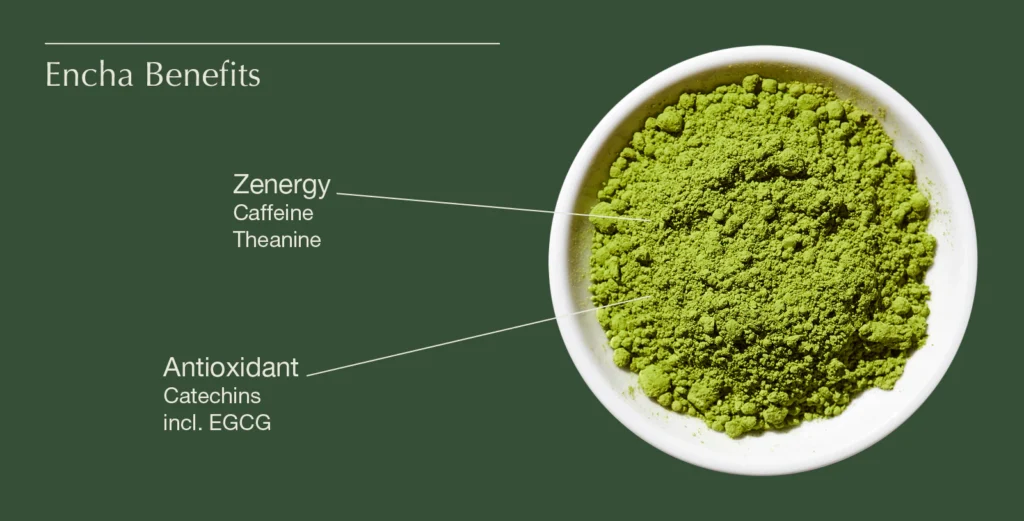
So, how does matcha fit into the picture with iron absorption? Well, green teas, including matcha, contain compounds called polyphenols, specifically catechins. These compounds can sometimes bind to non-heme iron in your digestive system. When this happens, it can make it a little harder for your body to absorb that iron. It’s not a complete block, but it’s something to be aware of, especially if you’re concerned about your iron levels. The quality of your matcha, like that from Yame or Uji, can influence its polyphenol content.
Potential Interactions with Iron
The interaction between matcha and iron absorption is a nuanced topic, influenced by various dietary and individual factors. It’s not a simple cause-and-effect scenario.
Here’s a quick look at the types of iron:
- Heme Iron: Found in animal products. Absorbed easily.
- Non-Heme Iron: Found in plant-based foods. Absorption can be affected by other dietary components.
It’s worth noting that the way matcha is processed and grown, particularly in regions like Uji, Kyoto, can affect its overall composition and, consequently, how it might interact with nutrients.
Deciphering Matcha’s Impact on Nutrient Uptake
Matcha, with its vibrant color and unique preparation, is more than just a beverage; it’s a complex interplay of compounds. When we consider how matcha affects our bodies, especially concerning nutrient absorption, it’s important to look at its components and how they might interact with other elements in our diet. This isn’t about simple yes or no answers, but rather understanding the nuances.
Polyphenols and Their Influence
Matcha is rich in polyphenols, a group of plant compounds known for their antioxidant properties. These same compounds, however, can sometimes bind to certain minerals, potentially affecting how well our bodies absorb them. Think of it like a lock and key; the polyphenols can sometimes ‘lock up’ minerals, making them harder for the body to take in.
- Catechins: These are the most abundant polyphenols in matcha, with EGCG being particularly well-known. They are powerful antioxidants, but can also interact with non-heme iron (the type found in plant-based foods).
- Tannins: Often associated with the astringency in teas, tannins are also a type of polyphenol. They are known to inhibit iron absorption.
- Other Flavonoids: Matcha contains a variety of other flavonoid compounds that contribute to its overall health profile and may also play a role in nutrient interactions.
The Role of Tannins in Green Teas
Tannins are a key factor when discussing how green teas, including matcha, might influence nutrient absorption. They are naturally occurring compounds that give tea its characteristic taste and color. While beneficial in many ways, their interaction with iron is a well-documented phenomenon. The concentration of tannins can vary depending on the tea’s quality and how it’s processed. For instance, high-quality matcha, like that from Uji, Kyoto, is carefully cultivated and processed, which can influence its polyphenol and tannin profile.
Comparing Matcha to Other Teas
When we talk about matcha, it’s helpful to compare it to other forms of green tea. Because matcha is made from the whole tea leaf, ground into a fine powder, it contains a higher concentration of all its components, including polyphenols and tannins, compared to steeped green teas. This means that any potential inhibitory effects on nutrient absorption might be more pronounced with matcha. However, the overall impact still depends on many factors, including the specific type of matcha and individual dietary habits. The meticulous cultivation and processing of authentic Japanese matcha, such as those from Yame or Uji, aim to preserve its beneficial compounds while offering a distinct flavor profile. This careful craftsmanship is what sets premium matcha apart.
The way tea leaves are grown, shaded, and processed significantly impacts their chemical composition. This, in turn, affects how the tea interacts with other nutrients in our diet. Understanding these differences helps us appreciate the unique qualities of each tea.
Exploring the Nuances of Matcha Consumption
When it comes to enjoying matcha, a few things can really change your experience, especially if you’re thinking about how it might interact with your body’s nutrient absorption. It’s not just about the powder itself, but also how you prepare it and when you drink it.
Optimal Preparation for Nutrient Preservation
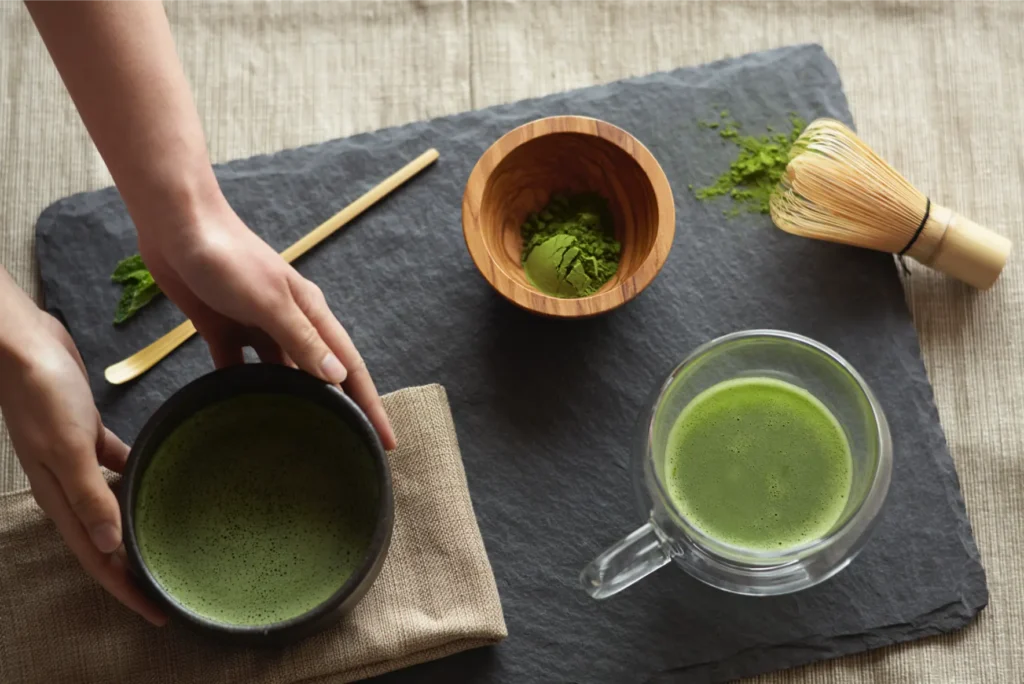
How you make your matcha matters. The temperature of the water and how long you whisk it can affect both the taste and the nutrient profile. Generally, using water that’s too hot can make the matcha taste bitter and might degrade some of its beneficial compounds. Aiming for water around 175°F (80°C) is a good starting point. Whisking it thoroughly helps to create a smooth, frothy texture, which is key to a good bowl of matcha. For those who appreciate the finer points of tea, understanding these details can lead to a more satisfying cup. It’s a practice that connects you to the long history of tea preparation in places like Uji, Japan.
Optimal Preparation for Nutrient Preservation
Factors Affecting Bioavailability
Several things can influence how well your body absorbs the nutrients from matcha. One of the main considerations, particularly concerning iron, is the presence of compounds like polyphenols and tannins. These are naturally found in green teas, including matcha. While they offer antioxidant benefits, they can also bind to certain minerals, potentially affecting their absorption. This is why timing your matcha consumption can be important, especially if you’re concerned about iron intake. It’s a delicate balance, and understanding these interactions helps you make informed choices about your diet.
Synergistic and Antagonistic Effects
Matcha contains a rich array of compounds, and their effects can sometimes work together (synergistic) or against each other (antagonistic) when it comes to nutrient absorption. For instance, the catechins in matcha are known for their antioxidant properties. However, these same compounds, particularly tannins, can inhibit the absorption of non-heme iron, which is the type found in plant-based foods. This interaction is a key point to consider if you are trying to increase your iron intake. If you’re pairing matcha with iron-rich meals, you might want to consider the timing. Some sources suggest waiting a bit after a meal before enjoying your matcha, or conversely, consuming vitamin C-rich foods with your iron sources to help boost absorption. This is a subtle aspect of enjoying tea, but one that can be quite significant for your overall well-being.
Investigating Matcha’s Nutritional Profile
Matcha isn’t just a vibrant green powder; it’s a concentrated source of nutrients. Unlike steeped teas, where most of the leaf material is discarded, with matcha, you consume the entire leaf. This means you get a more potent dose of everything the tea plant has to offer. When we talk about matcha, especially high-quality varieties from regions like Uji or Yame in Japan, we’re looking at a complex profile that contributes to its unique character and potential health benefits.
Key Compounds in Matcha
Matcha’s nutritional richness comes from a variety of compounds, many of which are also found in other green teas but are present in higher concentrations due to the cultivation and processing methods. The most notable components include:
- Catechins: These are powerful antioxidants, with Epigallocatechin gallate (EGCG) being the most abundant and well-studied. EGCG is thought to be responsible for many of green tea’s health-promoting properties.
- L-Theanine: This amino acid is unique to tea and is known for promoting relaxation and focus without drowsiness. It contributes to matcha’s smooth, calming effect.
- Caffeine: Matcha contains caffeine, similar to coffee, but the presence of L-theanine creates a different kind of energy boost – often described as alert calmness.
- Chlorophyll: The vibrant green color of matcha comes from chlorophyll, which is present in high amounts because the tea plants are shade-grown before harvest.
- Vitamins and Minerals: While not a primary source, matcha does contain small amounts of various vitamins and minerals.
Vitamins and Minerals Present
While matcha is primarily celebrated for its antioxidant and amino acid content, it also contributes a range of micronutrients. The exact amounts can vary based on the tea’s quality, growing conditions, and processing. Authentic matcha from renowned Japanese regions like Yame often showcases a more refined balance of these elements.
Here’s a general overview of some vitamins and minerals found in matcha:
| Nutrient | Approximate Amount (per 1g serving) |
|---|---|
| Vitamin A | Trace amounts |
| Vitamin C | Trace amounts |
| Vitamin E | Trace amounts |
| Vitamin K | ~2.4 mcg |
| Calcium | ~3.1 mg |
| Iron | ~0.12 mg |
| Potassium | ~26.7 mg |
| Zinc | Trace amounts |
It’s important to remember that matcha is typically consumed in small quantities (1-2 grams per serving), so it’s not a major dietary source for most of these micronutrients. However, their presence adds to the overall nutritional value of this unique beverage.
Antioxidant Properties of Matcha
The antioxidant capacity of matcha is one of its most significant attributes. The process of shade-growing the tea leaves increases their chlorophyll and L-theanine content, and also boosts the production of catechins. When the leaves are stone-ground into the fine powder we know as matcha, these beneficial compounds become highly bioavailable.
EGCG, the most prominent catechin in matcha, is a potent antioxidant that helps combat oxidative stress in the body. Oxidative stress is linked to aging and various chronic diseases. The high concentration of EGCG in matcha, combined with other antioxidants, makes it a powerful tool for supporting overall well-being.
The vibrant green hue of high-quality matcha, particularly from traditional growing areas like Uji, is a visual indicator of its rich chlorophyll content. This chlorophyll, along with abundant catechins, contributes significantly to matcha’s celebrated antioxidant properties, offering a concentrated dose of plant-based goodness in every serving.
Understanding these components helps us appreciate why matcha is more than just a trendy drink; it’s a nutrient-dense beverage with a long history rooted in Japanese tea culture.
Navigating Dietary Considerations with Matcha
When incorporating matcha into your daily routine, it’s helpful to think about how it fits with the rest of your diet, especially concerning nutrient absorption. While matcha itself is packed with beneficial compounds, understanding its interactions can help you get the most out of both your tea and your meals.
Balancing Matcha with Iron-Rich Foods
Matcha, like other green teas, contains compounds that can influence iron absorption. Specifically, the polyphenols and tannins present in matcha can bind to non-heme iron (the type found in plant-based foods) and make it harder for your body to absorb. This doesn’t mean you have to avoid matcha if you’re concerned about iron levels, but it does suggest a mindful approach to timing.
- Consider the timing: If iron intake is a concern, try to consume your matcha at least an hour before or after meals rich in iron. This allows your body to absorb the iron from your food without interference.
- Focus on heme iron: If you eat animal products, remember that heme iron (found in meat, poultry, and fish) is generally absorbed more efficiently and is less affected by tea consumption.
- Vitamin C is your friend: Pairing iron-rich foods with sources of Vitamin C, like citrus fruits or bell peppers, can significantly boost non-heme iron absorption, potentially counteracting some of the inhibitory effects of tea.
Timing Your Matcha Consumption
Beyond iron, the timing of your matcha can affect how you feel and how well you absorb nutrients from your food. Matcha contains caffeine, which can stimulate your digestive system. For some, drinking matcha on an empty stomach might lead to mild discomfort.
- Morning Ritual: Many enjoy matcha first thing in the morning. If you find it too intense, consider having a small snack beforehand.
- Mid-day Boost: Matcha can be a great afternoon pick-me-up, offering sustained energy without the jitters often associated with coffee.
- Evening Consideration: Due to its caffeine content, it’s generally advised to avoid matcha close to bedtime to ensure good sleep quality.
Individual Responses to Matcha
It’s important to remember that everyone’s body is different. Factors like genetics, gut health, and overall diet play a role in how you respond to any food or beverage, including matcha. What might be a slight interaction for one person could be more noticeable for another.
The quality of your matcha can also play a role. Authentic matcha, grown and processed with care in regions like Yame or Uji, often has a more balanced profile and can be more easily integrated into a varied diet without causing undue digestive upset.
Pay attention to how your body feels after drinking matcha. If you notice any adverse effects, adjusting the timing or quantity might be all that’s needed. For those with specific health concerns, consulting with a healthcare professional is always a good idea.
The Art of Matcha: From Origin to Cup
Matcha’s journey from a humble tea leaf to the vibrant powder we know today is a story steeped in tradition and meticulous craftsmanship. It’s not just about growing tea; it’s about cultivating an experience. The very essence of matcha is tied to its origin, with specific regions in Japan renowned for producing the highest quality.
The concept of ‘terroir’ is incredibly important for matcha. This French term, often used in wine, refers to how a specific place—its soil, climate, and geography—affects the taste and character of the agricultural product. For matcha, the most celebrated regions are Uji in Kyoto and Yame in Fukuoka. These areas offer the ideal conditions: misty mountains, rich soil, and a climate that allows for the careful shade-growing process. This cultivation method, where tea plants are covered for several weeks before harvest, is key to developing the deep green color and the rich, umami flavor profile that defines authentic matcha. The history of shade-grown tea in Japan dates back centuries, and it’s this dedication to place that sets truly exceptional matcha apart.
Beyond the land, the human touch is indispensable. The transformation of shade-grown tea leaves into fine matcha powder is an art form, perfected by skilled tea masters. After harvesting, the leaves are steamed to halt oxidation, then dried and de-stemmed. The crucial step is the grinding, traditionally done with stone mills. This slow, meticulous process breaks down the leaves into an incredibly fine powder, preserving the delicate flavors and vibrant color. A master blender, like those found in the historic tea houses of Uji or Yame, carefully selects and combines different batches of tea to achieve a consistent and superior taste. This attention to detail ensures that each whisk of matcha offers a balanced, smooth, and deeply satisfying experience.
What makes a premium matcha truly stand out? It’s a combination of sensory qualities that speak to its origin and craftsmanship. The color should be a vibrant, almost electric green, indicating high chlorophyll content. The aroma is typically fresh and vegetal, sometimes with subtle floral or oceanic notes. When whisked, a high-quality matcha creates a fine, stable foam. The taste is characterized by a rich, savory umami, followed by a natural sweetness and a clean, smooth finish, with minimal bitterness.
Here’s a general guide to what you might expect:
- Color: Vivid, deep green.
- Aroma: Fresh, vegetal, sometimes with hints of sweetness or the sea.
- Flavor: Rich umami, balanced sweetness, smooth finish.
- Texture: Fine powder, creates a stable foam when whisked.
The pursuit of the perfect matcha is a journey that respects both nature’s bounty and the artisan’s skill. It’s about understanding the nuances that come from specific regions and the dedication of those who have mastered the art of tea production over generations.
So, About That Iron and Matcha?
After looking into it, it seems like matcha might play a role in how your body takes in iron. The compounds in matcha, like tannins, can potentially make it a bit harder for your body to absorb iron, especially the kind from plants. This isn’t a huge deal for most people who eat a varied diet. But if you’re already dealing with low iron levels or are at risk, it’s something to keep in mind. Maybe try to enjoy your matcha between meals, rather than right with them, if you’re concerned. It’s always a good idea to chat with a doctor or a nutritionist if you have specific health questions about your iron intake.
Read more: Sourcing Premium Organic Matcha Green Tea: A Wholesale Guide


Quicl access to
You may also be interested in
Is Matcha Cheaper in Japan? Exploring the Cost of Authentic Japanese Matcha
So, you’re wondering if buying matcha in Japan actually saves you money. It’s a pretty...
Oct
Can You Make Matcha From Green Tea? The Simple Answer and How-To Guide
So, you’re curious about matcha and wondering if it’s just a fancy name for green...
Nov
Discover the Best Bulk Matcha Powder for Your Daily Rituals
Looking for the best bulk matcha powder to keep your daily tea ritual going strong?...
Oct
Mastering Your Matcha: How to Avoid Matcha Clumps for a Silky Smooth Brew
So, you’ve got your matcha, you’re ready to make that perfect cup, and then… clumps....
Nov
Where to Buy Matcha in Bulk: A Comprehensive Guide for 2025
Finding good matcha in bulk can feel like a quest, right? We’ve been there, trying...
Nov
Finding the Best Matcha Wholesale Supplier in Japan: A Comprehensive Guide
We’re diving into the world of Japanese matcha, specifically how to find the best wholesale...
Nov