

Industry News, News
Can You Really Make Matcha Without Matcha Powder? Exploring Alternatives
Nov
So, you’re curious about how to make matcha without, well, matcha powder? It sounds a bit like trying to bake a cake without flour, right? But sometimes, you get a craving for that vibrant green goodness, and you realize your matcha powder stash is empty. Don’t worry, it happens! This article is all about exploring ways to get that matcha vibe using other green teas. We’ll look at what makes matcha special and how other teas can step in to fill the void. It’s about capturing the spirit of matcha, even if you don’t have the powder right there.
Key Takeaways
- Matcha’s unique qualities come from shade-grown, stone-ground tea leaves, giving it a distinct flavor and texture.
- While not true matcha, other green teas like Sencha, Gyokuro, and Hojicha can offer similar flavor notes or colors.
- Achieving a creamy texture and umami flavor often involves fine grinding and blending other green teas.
- Focus on visual appeal and flavor profiles to create a matcha-like experience with alternative ingredients.
- Experimentation and creativity are key when trying to replicate matcha’s essence without the actual powder.
Exploring The Essence Of Matcha Without The Powder
Understanding The Core Of Matcha
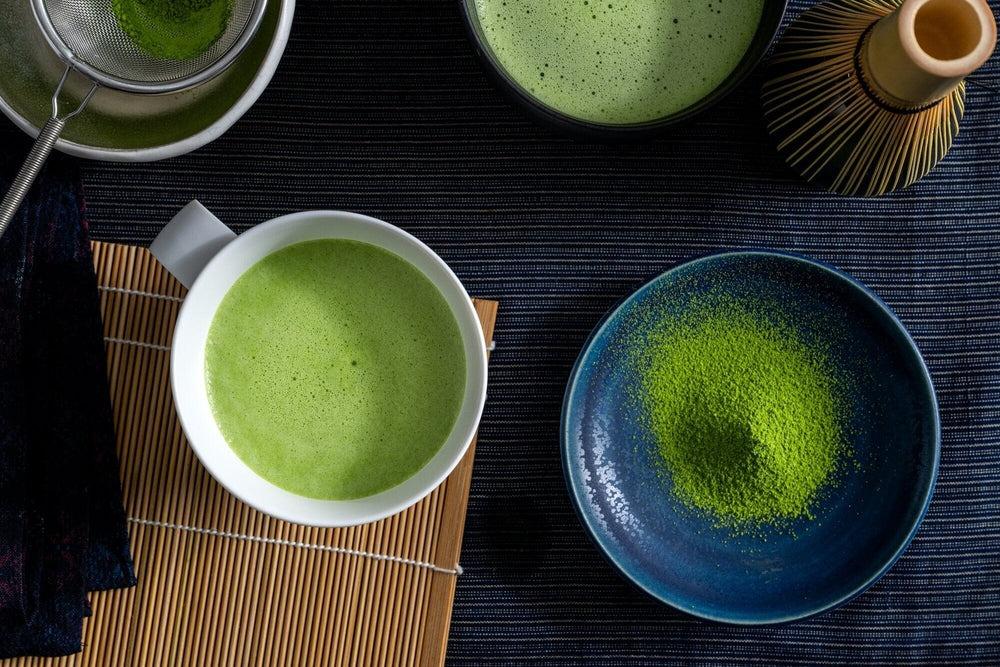
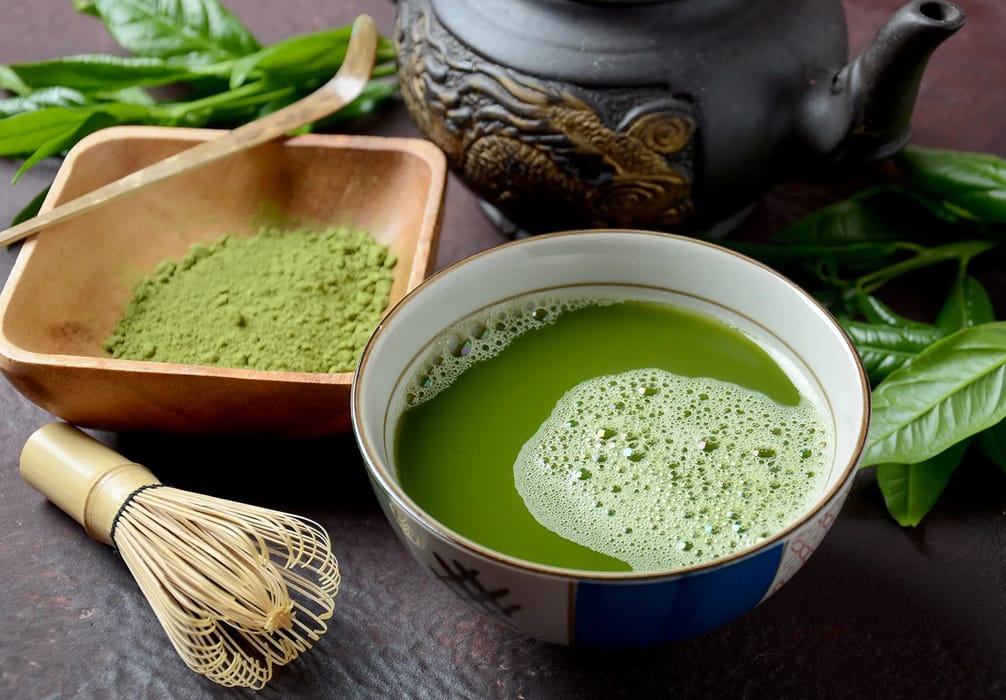
Matcha, at its heart, is more than just a vibrant green powder. It’s a specific preparation of tea leaves, shade-grown and stone-ground into an incredibly fine dust. This process, perfected over centuries in regions like Uji and Yame in Japan, is what gives matcha its unique characteristics: a rich umami flavor, a smooth, creamy texture, and a brilliant emerald hue. The very essence of matcha lies in consuming the whole leaf, a practice that distinguishes it from other green teas. It’s this complete immersion of leaf into water that creates its distinctive body and depth.
Understanding The Core Of Matcha
The Quest For Matcha’s Spirit
When we talk about finding the “spirit” of matcha without the powder, we’re really looking for those core qualities. We want that deep, savory taste, that satisfying mouthfeel, and that beautiful green color. It’s about capturing the feeling and the sensory experience that matcha provides, even if we can’t use the traditional powdered form. This quest involves understanding what makes matcha special and then seeking out other teas that might share some of those same attributes, even if they are prepared differently.
Beyond The Powdered Form
Matcha’s journey from leaf to powder is a meticulous one, involving careful cultivation, steaming, drying, de-veining, and finally, stone-grinding. This intensive process is why true matcha has such a distinct profile. However, the world of Japanese green tea is vast and offers many other wonderful experiences. By exploring different types of green teas, we can begin to appreciate the nuances that contribute to the overall character of matcha and find other teas that offer a glimpse into its spirit, even if they aren’t technically matcha. For instance, the careful cultivation and processing of high-quality Gyokuro, another shade-grown tea, shares some of the umami richness found in matcha, though its preparation differs.
Alternative Green Teas As Matcha Proxies
While true matcha is a unique creation, a finely ground green tea, there are other Japanese green teas that can offer a similar experience, especially when you’re looking to capture some of its essence without the powdered form. These teas, when prepared with care, can bring a different, yet satisfying, dimension to your tea ritual.
The Nuances of Sencha
Sencha is the most popular tea in Japan, and for good reason. It’s made from leaves that are steamed, rolled, and dried, retaining a vibrant green color and a fresh, grassy flavor. When you brew sencha, you get a bright, slightly astringent cup that can be quite invigorating. It doesn’t have the same creamy texture or intense umami as matcha, but its clean, refreshing taste is a wonderful starting point.
- Steaming: This process halts oxidation, preserving the green color and fresh flavor. It’s a key step that differentiates Japanese green teas from many others.
- Rolling: The leaves are rolled into needle-like shapes, which affects how they unfurl during brewing.
- Drying: This final step prepares the leaves for storage and brewing.
For a sencha to be a closer proxy to matcha, look for those that are finely processed and have a bright, almost jade-like green color. While not powdered, a high-quality sencha, perhaps from regions like Yame or Uji, can offer a delightful green tea experience.
The Depth of Gyokuro
Gyokuro is a special type of shaded green tea, grown under cover for about three weeks before harvest. This shading process significantly increases the L-theanine content in the leaves, resulting in a tea that is rich in umami and has a deep, sweet flavor with very little bitterness. When brewed at a lower temperature, gyokuro can produce a thick, almost syrupy liquor that hints at the mouthfeel of matcha. Its flavor profile is more complex and savory than sencha, offering a profound taste that can be deeply satisfying.
| Feature | Matcha | Gyokuro (Shaded) |
|---|---|---|
| Preparation | Stone-ground powder, whisked with water | Whole leaves, steeped in hot water |
| Flavor Profile | Intense umami, vegetal, slightly sweet | Deep umami, sweet, oceanic, vegetal |
| Texture | Creamy, frothy | Smooth, rich, sometimes viscous |
| Growing Method | Shade-grown, de-stemmed, de-veined | Shade-grown, steamed, rolled, dried |
While gyokuro is not powdered, its unique growing method and resulting deep umami flavor make it a fascinating tea to explore when seeking a richer, more complex green tea experience that echoes some of matcha’s depth.
The Toasted Character of Hojicha
Hojicha is unique because it’s made by roasting green tea leaves, usually sencha or bancha. This roasting process transforms the tea’s character entirely. Instead of the fresh, grassy notes of sencha or the deep umami of gyokuro, hojicha offers a warm, toasty aroma and a smooth, mellow flavor with hints of caramel or roasted nuts. It has a reddish-brown hue and is naturally lower in caffeine. While it doesn’t mimic matcha’s green color or its specific umami, hojicha provides a comforting, accessible green tea experience that is quite different but equally enjoyable.
Mimicking Matcha’s Texture And Flavor
Matcha’s unique appeal comes from its vibrant color, its smooth, creamy texture, and its deep, complex flavor. Recreating this experience without actual matcha powder is a fascinating challenge. It requires a thoughtful approach to both the physical properties and the taste profile.
Achieving A Creamy Consistency
True matcha, when whisked properly, creates a frothy, almost creamy suspension in water. This is due to the finely ground tea leaves, which remain in the liquid rather than being strained out. To mimic this, you’ll want to use teas that can be ground very finely. Other green teas, like sencha or gyokuro, can be ground into a powder, but they won’t naturally produce the same level of creaminess as matcha, which is made from shade-grown, specially processed leaves. Adding a small amount of a thickener, like a tiny bit of xanthan gum or even a bit of milk powder if you’re making a latte, can help achieve a similar mouthfeel. The key is subtlety; you don’t want to mask the tea’s natural character.
Achieving A Creamy Consistency
Replicating The Umami Profile
Umami, that savory, fifth taste, is a hallmark of high-quality matcha, especially those from regions like Uji and Yame. This depth comes from the shade-growing process, which increases L-theanine content. Replicating this specific umami without matcha is difficult. Other green teas, like gyokuro, also possess umami, but it’s often a more delicate, oceanic sweetness. Sencha can have a vegetal, sometimes slightly bitter profile. To get closer to matcha’s savory notes, you might consider blending teas. A high-quality gyokuro, for instance, could provide a base of umami, perhaps blended with a touch of roasted tea like hojicha for added depth and complexity, though this moves away from a purely green tea flavor.
The Role Of Fine Grinding
The fineness of the grind is paramount to both texture and flavor release. Matcha is stone-ground to an incredibly fine powder, typically between 5-10 microns. This allows it to dissolve and emulsify in water, creating its signature texture and allowing its full flavor to be experienced. Other green teas, if ground, might not reach this level of fineness without specialized equipment. Even if you manage to grind other teas very finely, the cellular structure of the leaf is different from that of matcha, which is specifically cultivated and processed for powdering. This difference in structure affects how the tea interacts with water and how its flavors are perceived. For instance, a finely ground sencha might still feel slightly gritty compared to the smooth silkiness of well-prepared matcha. The origin and processing of the tea leaves, as practiced in places like Yame and Uji, are what truly set matcha apart in its ability to be ground into such a refined powder.
While achieving an exact replica is a tall order, the pursuit itself can be rewarding. It encourages a deeper appreciation for the unique qualities of true matcha and sparks creativity in exploring other teas.
Crafting A Matcha-Like Experience
Achieving A Creamy Consistency
Matcha’s signature velvety texture comes from its finely powdered form, where the entire tea leaf is consumed. Replicating this creamy mouthfeel without actual matcha powder can be a delightful challenge. One approach is to use other finely ground green teas, like a high-quality sencha or gyokuro that has been milled to an exceptionally fine powder. While not true matcha, this process can yield a smoother liquid than simply steeping loose leaves. Another method involves incorporating ingredients that naturally lend creaminess. Think about adding a touch of milk or a plant-based alternative, or even a small amount of a thickener like xanthan gum, though use this sparingly to avoid an artificial feel. The goal is to create a smooth, almost emulsified texture that coats the palate.
Replicating The Umami Profile
The deep, savory, umami flavor is what truly sets matcha apart. While other green teas have their own unique tastes, achieving that specific savory depth requires careful selection and preparation. Some premium sencha, especially those grown in shaded conditions like gyokuro, can offer hints of umami. Blending these with other teas might help build complexity. For instance, a touch of roasted tea like hojicha can add a different kind of depth, though it moves away from the fresh green notes. The key is to layer flavors, seeking out teas that possess a natural richness and a less astringent profile. It’s about finding that balance between the vegetal notes and a satisfying, lingering savoriness that makes you want another sip.
The Role Of Fine Grinding
Grinding is absolutely central to the matcha experience. Traditional matcha is stone-ground, a slow and meticulous process that breaks down the tea leaves into an incredibly fine powder. This fineness is what allows matcha to suspend in water, creating its characteristic texture and allowing the full flavor of the leaf to be consumed. If you’re experimenting with alternatives, the fineness of the grind is paramount. Using a high-quality, finely milled green tea powder, even if it’s not technically matcha, will get you closer to the desired texture and mouthfeel. Think of it like using a very fine flour versus a coarse meal; the difference in the final product is significant. While achieving the exact particle size of true matcha is difficult without specialized equipment, opting for the finest available green tea powders is a good starting point. This attention to the physical form of the tea is what bridges the gap between a simple steeped tea and a more immersive beverage.
The Journey To An Authentic Matcha Alternative
Appreciating The Source
When we talk about matcha, we’re really talking about a specific way of growing, harvesting, and processing tea leaves. It’s not just about the vibrant green color or the fine powder. The true essence comes from shade-grown tea plants, meticulously stone-ground to an incredibly fine texture. This process, perfected over centuries in regions like Uji and Yame in Japan, is what gives matcha its unique umami depth and smooth finish. Trying to replicate that without the actual source material is like trying to paint a sunset without ever seeing one. You can get close, maybe, but you’re missing the soul of the subject. The quality of the tea plant itself, the soil it grows in, and the skill of the tea master who prepares it all play a huge role. It’s a whole ecosystem of tradition and care that leads to that perfect cup.
The Spirit Of Innovation
While respecting the source is key, that doesn’t mean we can’t explore. The desire to capture matcha’s spirit in different forms is a creative endeavor. It’s about understanding what makes matcha special – that rich, vegetal flavor, the smooth texture, the bright color – and seeing how other teas or ingredients can evoke similar feelings. Think of it like a musician improvising on a theme. The original melody is still there, but new interpretations emerge. This is where we can experiment with different green teas, perhaps blending them, or even looking at other natural ingredients that offer a similar visual appeal or flavor profile. It’s about honoring the original while allowing for new expressions.
Embracing The Creative Process
So, can you truly make matcha without matcha powder? In the strictest sense, no. You won’t get authentic matcha. But you can certainly create a matcha-like experience. This journey is about appreciating the nuances of tea and the art of preparation. It involves understanding the core elements of matcha and then creatively finding ways to approximate them. It might mean using finely ground sencha for color and a hint of vegetal notes, or perhaps blending different green teas to achieve a complex flavor. The goal isn’t to fool anyone into thinking it’s real matcha, but to craft a delicious and visually appealing green tea beverage that captures some of matcha’s beloved qualities. It’s a testament to the versatility of tea and the joy of culinary exploration.
The Verdant Verdict
So, can you truly make matcha without, well, matcha? The short answer is no, not if you’re aiming for the real deal. While other green teas offer their own unique charm and flavor, they simply don’t possess the vibrant color, the rich umami, or the distinct preparation method that defines matcha. It’s like trying to bake a cake without flour – you might end up with something edible, but it won’t quite be a cake. The world of tea is vast and wonderful, with countless green teas to explore, each with its own story and taste. But when it comes to that bright green, frothy cup, only true matcha powder will do. It’s a special thing, and worth seeking out the genuine article.
Read more: Can You Make Matcha From Green Tea? The Simple Answer and How-To Guide


Quicl access to
You may also be interested in
Finding the Best Matcha Wholesale Supplier for Your Business
Finding the right matcha wholesale supplier is a big step for any business wanting to...
Nov
Is Matcha Plant Based? Unpacking the Origins of Your Green Tea
So, you’ve probably seen matcha everywhere lately. It’s in lattes, smoothies, even baked goods. And...
Nov
What Color Should Matcha Powder Be? Understanding the Vibrant Green
Ever wondered about that vibrant green color in your matcha? It’s not just for looks!...
Nov
How to Start a Matcha Business: A Step-by-Step Guide
Thinking about starting your own matcha business? It sounds exciting, right? Matcha is super popular,...
Oct
Where to Buy Matcha Wholesale: Your Ultimate Guide
Looking to buy matcha wholesale? We get it. Finding the right supplier is a big...
Nov
Our Top Ten Tokyo Tea Destinations PD
Every year, around April and May, the Japanese tea world is thrust into “Shincha Season”....
Aug