

Industry News, News
Can You Make Matcha From Green Tea? The Simple Answer and How-To Guide
Nov
So, you’re curious about matcha and wondering if it’s just a fancy name for green tea. It’s a fair question! While matcha definitely comes from green tea plants, it’s not quite the same as the green tea you might be used to. There’s a whole process involved that makes matcha unique. We’re going to break down what makes matcha special and how it’s made, so you can understand the difference and maybe even try making some yourself.
Key Takeaways
- Matcha is made from green tea leaves, but it undergoes a special process.
- The leaves are shade-grown, steamed, dried, and then stone-ground into a fine powder.
- This powder is what makes matcha different from regular steeped green tea.
- You can’t just make traditional matcha by grinding any green tea leaves.
- The specific cultivation and processing are what give matcha its distinct color, flavor, and texture.
The Essence Of Matcha: More Than Just Green Tea
Understanding The Matcha Transformation
Matcha is not just any green tea; it’s a unique form that undergoes a special transformation. Unlike most teas where leaves are steeped and then discarded, with matcha, the entire leaf is ground into a fine powder and consumed. This process is what gives matcha its distinctive character and vibrant color.
Understanding The Matcha Transformation
From Leaf To Powder: A Culinary Art
The journey from a tea leaf to the fine matcha powder we know is a meticulous one. It involves specific cultivation methods, careful harvesting, and precise processing. This isn’t something that happens by accident; it’s a craft honed over centuries, particularly in regions like Uji and Yame in Japan, known for producing some of the finest matcha.
The Distinctive Character Of Matcha
What sets matcha apart is its rich, complex flavor profile. It’s known for its deep umami, a savory depth that’s both satisfying and intriguing. This is often accompanied by a subtle sweetness and a smooth, velvety texture. The intensity and balance of these flavors are hallmarks of high-quality matcha. The vibrant emerald green color is another key characteristic, signaling freshness and the presence of beneficial compounds.
Unveiling The Green Tea Connection
It’s a common question: can you just take regular green tea leaves and turn them into matcha? The short answer is no, not really. While matcha is indeed a type of green tea, it’s not simply a matter of grinding any green tea leaves you have lying around. There’s a whole process involved that makes matcha unique.
Can You Make Matcha From Green Tea?
Think of it like this: all squares are rectangles, but not all rectangles are squares. Similarly, all matcha is green tea, but not all green tea is matcha. The transformation from a standard green tea leaf to the vibrant powder we know as matcha involves specific cultivation and processing techniques that are quite different from those used for teas like sencha or bancha. These methods are what give matcha its distinct flavor, color, and texture. If you’re looking for authentic matcha, you’ll want to seek out teas specifically grown and processed for this purpose, often from renowned regions like Yame or Uji in Japan, which have perfected these methods over centuries.
The Crucial Processing Steps
The journey to becoming matcha is what sets it apart. It starts long before the leaves are ever ground. Here are the key steps:
- Shade-Grown Cultivation: For several weeks before harvest, the tea plants destined for matcha are covered to block out sunlight. This process increases chlorophyll and L-theanine, leading to a richer green color and a more umami flavor.
- Steaming and Drying: Unlike many other green teas that are pan-fired, matcha leaves are typically steamed immediately after harvest. This stops oxidation and preserves the fresh, vibrant green color and delicate flavor compounds.
- De-stemming and De-veining: After steaming and drying, the leaves are carefully processed to remove stems and veins. What remains are the pure leaf flakes, known as tencha.
- Stone Grinding: Finally, the tencha is meticulously ground into an ultra-fine powder using traditional stone mills. This slow, careful grinding is what creates the smooth, velvety texture characteristic of high-quality matcha.
Distinguishing Matcha From Other Green Teas
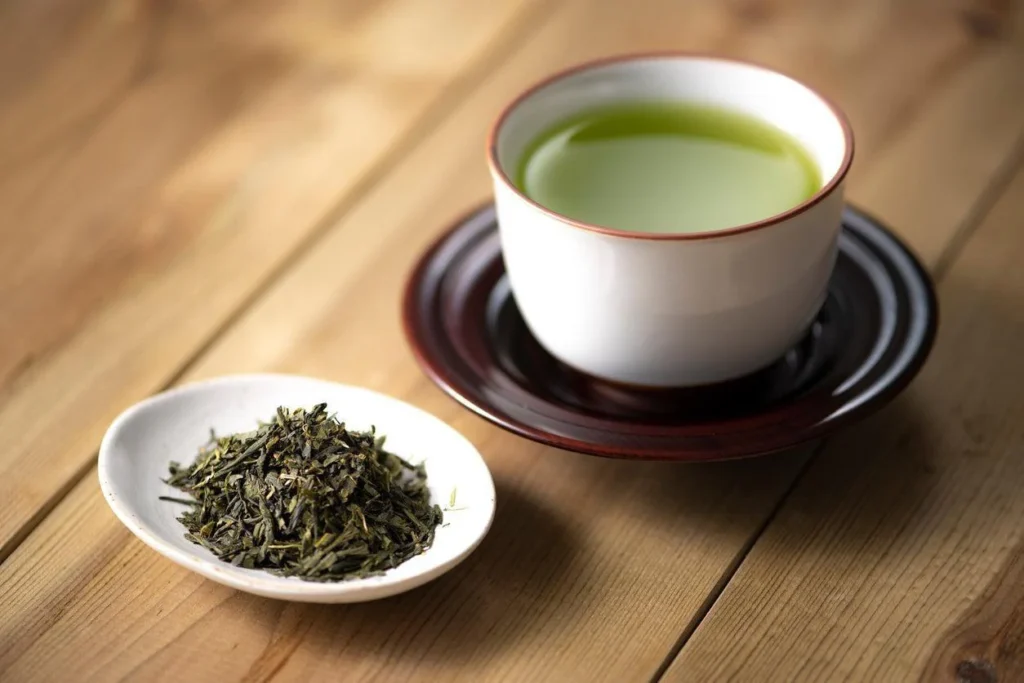
The differences between matcha and other green teas are quite significant, stemming directly from how they are grown and processed. For instance, sencha, a very popular Japanese green tea, is grown in direct sunlight and then steamed and rolled. This results in a tea that is typically brewed by steeping the leaves in water, releasing their flavor and nutrients. The leaves themselves are usually discarded after brewing. Matcha, on the other hand, is made from shade-grown leaves that are processed into tencha and then ground into a powder. When you drink matcha, you consume the entire leaf, which is why it’s known for its potent flavor and higher concentration of certain nutrients. This whole-leaf consumption is a fundamental difference that impacts everything from taste to nutritional profile. The careful cultivation and unique processing of matcha, particularly from regions like Yame, are what truly define it.
The distinction between matcha and other green teas isn’t just about the final form; it’s about a deliberate cultivation and processing philosophy designed to capture a specific essence. This dedication to a unique path is what gives matcha its special place in the world of tea.
The Art Of Matcha Preparation
Essential Tools For Authentic Matcha
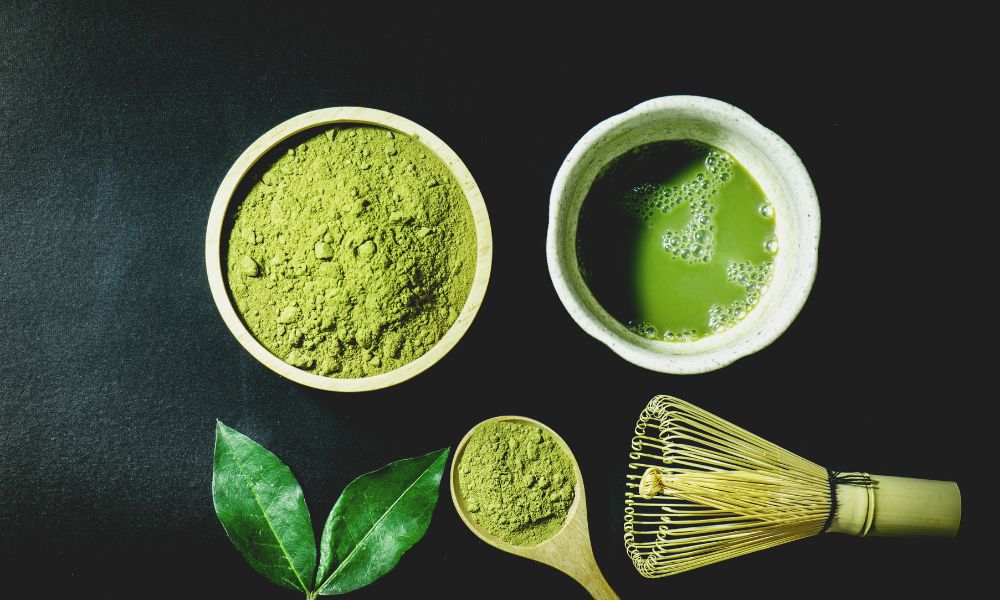
To truly appreciate matcha, having the right tools makes a difference. It’s not about fancy gadgets, but about items that help you connect with the tea. Think of it like a painter needing their brushes. For matcha, the key players are:
- Chawan (茶碗): This is the tea bowl. Its shape is important; it’s wide enough to whisk the matcha properly and comfortable to hold.
- Chasen (茶筅): The bamboo whisk. This is probably the most iconic tool. Its many tines are designed to break up clumps and create that signature froth.
- Chashaku (茶杓): A bamboo scoop used to measure the matcha powder. It’s delicate and precise, much like the tea itself.
- Matcha Sifter: While not strictly traditional, a fine-mesh sifter is incredibly helpful for breaking up any small clumps in the matcha powder before whisking. This step really helps achieve a smooth texture.
The Whisking Ritual: Creating A Frothy Elixir
Making matcha isn’t just about mixing powder and water; it’s a mindful process. The whisking is where the magic happens, transforming the powder into a vibrant, smooth drink. It’s a moment to slow down and focus.
First, warm your chawan with hot water, then discard the water and dry the bowl. This warms the bowl and ensures your matcha stays warm longer. Next, use the chashaku to scoop about one to two scoops of matcha powder into the sifter, then into the dry chawan. Gently tap the sifter to let the powder fall in. This pre-sifting step is really key for a smooth drink.
Now, add a small amount of hot water – just enough to make a paste. Use the chasen to gently mix the powder and water into a smooth, thick paste. This breaks up any remaining clumps. Once you have a smooth paste, add more hot water, usually around 70-80°C (158-176°F). The goal is to create a frothy layer on top.
To achieve this, hold the chasen loosely and whisk in a rapid “W” or “M” motion, keeping the tines just above the bottom of the bowl. Don’t stir in circles; think quick, energetic movements. Once a fine foam appears, slow down and gently lift the chasen from the center of the bowl. This helps to break any larger bubbles and leaves a beautiful surface.
Achieving The Perfect Consistency
Consistency in matcha is about balance. You want it smooth, not gritty, and with a pleasant texture that isn’t too thin or too thick. The amount of water and the quality of the matcha powder play big roles here.
- Powder Amount: Generally, 1-2 chashaku scoops (about 1-2 grams) is a good starting point for a standard serving. Adjust this based on your preference for strength.
- Water Temperature: Using water that’s too hot can make the matcha taste bitter. Aim for around 70-80°C (158-176°F). Water that’s too cool won’t allow the flavors to fully develop.
- Whisking Technique: As mentioned, the “W” or “M” motion with the chasen is designed to aerate the tea and create that characteristic froth. Proper whisking is what gives matcha its smooth, almost creamy mouthfeel.
The journey from leaf to powder is long, and the preparation of matcha is the final, intimate step. It’s a moment to appreciate the care that went into its creation, from the shade-grown leaves in places like Yame or Uji to the final stone-ground powder. The way you prepare it honors that journey.
Different grades of matcha might require slight adjustments. For instance, a more robust café-grade matcha, like those crafted for lattes, might need a bit more vigorous whisking to incorporate well with milk. A premium grade, intended for usucha (thin tea), will yield a delicate foam with careful whisking. The aim is always a smooth, vibrant cup that reflects the quality of the tea itself.
Exploring The Nuances Of Green Tea Varieties
Sencha: The Foundation Of Many Green Teas
Sencha is a cornerstone of Japanese green tea, representing a significant portion of what’s produced and consumed. It’s typically made from leaves harvested during the first flush of spring, known as ichibancha. After picking, the leaves are steamed to halt oxidation, then rolled into their characteristic needle-like shape. This process locks in the fresh, vibrant flavors. While many teas can be called sencha, not all sencha is shincha, which we’ll get to.
Sencha: The Foundation Of Many Green Teas
Ichibancha: The First Flush Significance
Ichibancha, or the first flush tea, refers to the very first harvest of the year, usually occurring in spring. These are the youngest, most tender leaves and buds. Teas like sencha, gyokuro, and even matcha are all derived from ichibancha. The quality of ichibancha is highly prized because these leaves contain a rich concentration of nutrients and compounds that contribute to a delicate flavor and aroma. Subsequent harvests, like nibancha (second flush) or sanbancha (third flush), generally yield teas with a more robust, less refined character, often used for lower grades or different tea types.
Shincha: The Ephemeral ‘New Tea’
Shincha literally translates to ‘new tea’ in Japanese. It’s not a distinct type of tea plant, but rather a designation for ichibancha that is processed, packaged, and sold very quickly after harvest, typically in late spring or early summer. The goal is to capture the fleeting, bright, and grassy aromas that are characteristic of the season’s first leaves. This emphasis on immediate freshness is what sets shincha apart from regular sencha, which is often stored for later sale. While matcha and gyokuro are traditionally aged to develop deeper, more mellow flavors, shincha is celebrated for its lively, almost sweet, grassy notes, sometimes described as having a ‘cut grass’ aroma due to compounds like cis-3-hexenal. It’s a taste of spring itself, a brief window of peak freshness that many tea enthusiasts eagerly anticipate each year. For those seeking the purest expression of the season’s first harvest, seeking out authentic shincha from renowned regions like Yame or Uji is a rewarding pursuit.
The Journey From Leaf To Powdered Perfection
Cultivation and Shade-Grown Leaves
The story of matcha begins long before it becomes a vibrant powder. It starts in the tea fields, where the specific cultivation methods play a huge role in the final taste and quality. For matcha, the tea plants are covered for several weeks before harvest. This shading is not just a simple act; it’s a deliberate process that changes the leaf’s chemistry. When tea plants are deprived of sunlight, they produce more chlorophyll, which gives matcha its characteristic bright green color. They also increase their production of amino acids, like L-theanine, which contributes to matcha’s unique umami flavor and smooth, mellow taste. Regions like Yame and Uji in Japan are renowned for their ideal conditions and long-standing traditions in shade-growing tea for matcha. This careful cultivation is the first step in creating a tea that is both visually stunning and deeply flavorful.
The Steaming and Drying Process
Once the shade-grown leaves are harvested, they undergo a critical transformation to preserve their freshness and prepare them for grinding. Unlike many other green teas that are pan-fired, matcha leaves are typically steamed. This steaming process immediately halts oxidation, locking in the vibrant green color and the fresh, vegetal notes. After steaming, the leaves are dried. This drying is done carefully to remove moisture without cooking the leaves. The result is a dry, brittle leaf called ‘tencha’. Tencha is the raw material for matcha, and it’s distinct from the rolled leaves found in other green teas like sencha. It’s essentially a flat, dried leaf that’s ready for the final, most delicate stage.
Stone Grinding: The Final Transformation
The final step in creating matcha is the grinding of the tencha leaves into an ultra-fine powder. This is traditionally done using stone mills, often made from granite. These mills rotate very slowly, grinding the tencha leaves with immense care. This slow grinding is important because it prevents the friction from generating too much heat, which could degrade the matcha’s delicate flavor, aroma, and color. The goal is to achieve a powder so fine that it dissolves almost completely when whisked with water. The fineness of the grind directly impacts the texture and mouthfeel of the prepared matcha. High-quality matcha, like that meticulously prepared in regions such as Yame, is the result of this patient, traditional stone-grinding process, turning simple leaves into a potent, flavorful powder.
Appreciating The Quality Of Matcha
Color As An Indicator Of Freshness
When you’re looking at matcha, the color is one of the first things that catches your eye. Good quality matcha, especially from renowned regions like Uji or Yame in Japan, should have a vibrant, almost electric green hue. Think of the color of fresh spring leaves. If the matcha looks dull, yellowish, or brownish, it’s a sign that it’s old or hasn’t been stored properly. This vibrant color comes from the high chlorophyll content, which is a result of the shade-growing process before harvest. The fresher the tea, the brighter the green.
Aroma And Flavor Profiles
Take a moment to really smell the matcha before you prepare it. High-grade matcha will have a fresh, slightly sweet, and vegetal aroma. It might remind you of freshly cut grass or a misty morning in a tea field. If it smells musty, stale, or even a bit fishy, that’s not a good sign. The flavor should follow suit. Authentic matcha offers a complex taste that’s both rich and smooth, with a pleasant umami (savory) quality. There might be subtle sweet or even floral notes, depending on the specific origin and grade. A good matcha doesn’t typically have a strong, bitter aftertaste; that usually indicates lower quality or improper preparation.
Texture And Mixability
How does the matcha powder feel and behave? Truly high-quality matcha is ground incredibly fine, almost like talcum powder. This fine texture is what allows it to dissolve so smoothly when whisked with water. If you notice larger particles or a gritty feel, it might not have been stone-ground as meticulously. When you whisk it, good matcha should create a fine, stable foam on top, with no large bubbles. This frothy layer is a hallmark of well-prepared, quality matcha. It should mix easily without clumping, creating a consistent texture throughout your bowl.
The Verdant Journey: From Leaf to Powder
So, can you make matcha from green tea? The short answer is yes, but it’s not quite as simple as just grinding up any old green tea leaves. True matcha is a special kind of green tea, grown and processed in a very specific way to get that vibrant color and unique flavor. We’ve seen how shading the plants, careful harvesting of only the best leaves, and then a meticulous grinding process are all part of what makes matcha, well, matcha. It’s a journey from the tea field to your bowl, and understanding these steps helps us appreciate the green powder even more. Whether you’re whisking up a traditional bowl or adding it to your favorite latte, knowing the difference between regular green tea and this finely powdered gem really changes the experience. It’s a little bit of art, a little bit of science, and a whole lot of delicious green goodness.
Read more: Can You Really Make Matcha Without Matcha Powder? Exploring Alternatives


Quicl access to
You may also be interested in
Unlock Premium Flavors: Your Guide to Yame Matcha Wholesale
We’re excited to share how we can help you bring the best of Japanese matcha...
Nov
Where to Buy Matcha in Bulk: A Comprehensive Guide for 2025
Finding good matcha in bulk can feel like a quest, right? We’ve been there, trying...
Nov
Finding the Best Matcha Wholesale Supplier for Your Business
Finding the right matcha wholesale supplier is a big step for any business wanting to...
Nov
Discover Premium Matcha Wholesale Japan: Your Source for Authentic Japanese Green Tea
We’re excited to share our passion for authentic Japanese matcha with you. If you’re looking...
Oct
Discover the Best Bulk Matcha Powder for Your Daily Rituals
Looking for the best bulk matcha powder to keep your daily tea ritual going strong?...
Oct
Unveiling the Secrets: A Deep Dive into How Matcha is Produced
Ever wondered how that vibrant green powder, matcha, gets from the tea field to your...
Nov