

Industry News, News
Can You Be Allergic to Matcha? Understanding the Risks and Symptoms
Oct
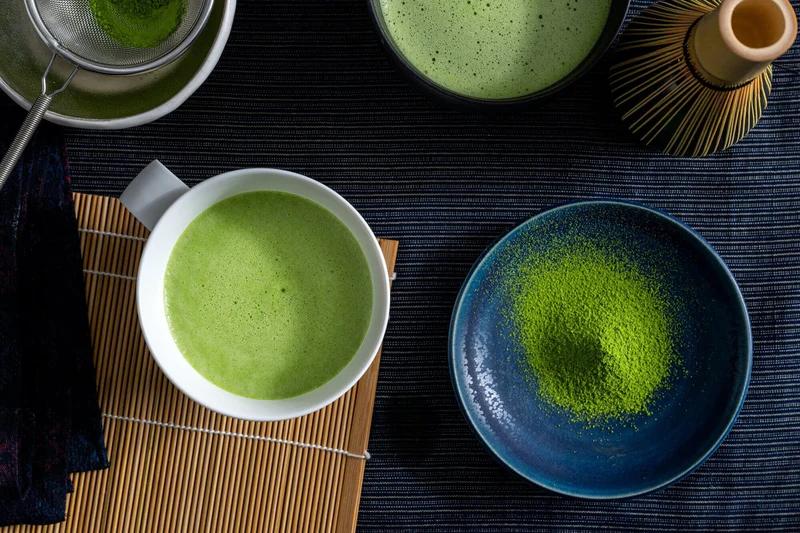
Matcha, that vibrant green tea powder, has become super popular. People love it in lattes, smoothies, and even baked goods. But what if you try it and don’t feel so great afterward? It makes you wonder, can you be allergic to matcha? While it’s not super common, it’s definitely something to think about if you’ve had a bad reaction. Let’s break down what might be going on.
Key Takeaways
- Yes, it’s possible to have an allergic reaction to matcha, though it’s not very common.
- Symptoms can range from mild skin reactions to more serious issues, so pay attention to your body.
- Caffeine and other compounds in tea can sometimes cause reactions, even if it’s not a true allergy.
- Choosing high-quality, pure matcha and introducing it slowly can help manage potential sensitivities.
- If you suspect an allergy, it’s always best to talk to a doctor.
Understanding Matcha Sensitivities
Matcha, a finely ground powder of specially grown and processed green tea leaves, has become quite popular. It’s known for its vibrant green color, rich umami flavor, and the calm energy it provides. However, like many foods and drinks, some people can experience adverse reactions to matcha. This isn’t always a true allergy, but it’s good to know the difference.
The Nature of Matcha
Matcha comes from the Camellia sinensis plant, the same plant that gives us black tea, green tea, and oolong tea. What makes matcha special is how the tea plants are cultivated and processed. For several weeks before harvest, tea plants destined for matcha are shaded from direct sunlight. This process increases chlorophyll production, giving matcha its intense green hue, and also boosts the levels of L-theanine, an amino acid associated with relaxation.
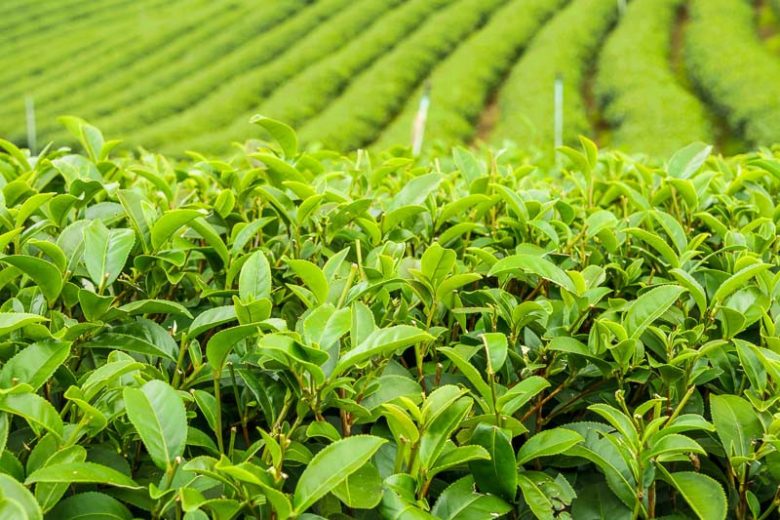
Camellia Sinensis Plant
After harvesting, the leaves are steamed to stop oxidation, then dried and de-veined. Finally, they are stone-ground into the fine powder we recognize as matcha. The quality can vary greatly, with ceremonial grades from regions like Uji or Yame in Japan representing the pinnacle of this craft, offering a smoother, more nuanced flavor profile.
Potential for Adverse Reactions
While matcha is generally considered safe and even beneficial for most people, some individuals might react to it. These reactions can range from mild discomfort to more noticeable symptoms. It’s important to remember that not every negative reaction is an allergy. Sometimes, it might be due to other factors like the caffeine content, additives, or even a general sensitivity to certain compounds found in tea.
Distinguishing Allergy from Intolerance
Understanding the difference between an allergy and an intolerance is key. An allergic reaction is an immune system response, often involving the release of histamine, and can be quite serious. Symptoms might include hives, swelling, or difficulty breathing. An intolerance, on the other hand, is typically a digestive issue, where the body has trouble processing a certain food or drink. Symptoms are usually less severe and might include stomach upset or headaches.
If you suspect you’re reacting to matcha, it’s always best to consult with a healthcare professional to get a proper diagnosis. They can help determine if it’s a true allergy, an intolerance, or something else entirely.
Identifying Allergic Responses to Matcha
When you drink matcha, it’s usually a calming experience. But sometimes, things don’t go as planned. If you start feeling unwell after a cup, it’s good to know what might be happening. While true allergies to matcha are rare, they can occur. It’s important to recognize the signs so you can figure out if matcha is the culprit.
Common Symptoms of Matcha Allergy
If your body is reacting to matcha, you might notice a few things pretty quickly. These reactions can range from mild to more noticeable. The most common signs often involve the skin and digestive system.
- Skin Reactions: This can include hives, itching, or a rash. Sometimes, your skin might just feel generally irritated.
- Digestive Upset: You might experience nausea, stomach cramps, or even vomiting. Diarrhea can also be a symptom.
- Respiratory Issues: In some cases, people might have trouble breathing, wheezing, or a stuffy nose.
- Oral Symptoms: Itching or tingling in the mouth or throat can happen.
Less Frequent Manifestations
Beyond the more common reactions, there are other ways your body might respond to a matcha sensitivity. These might not be the first things you think of, but they are worth noting if you’re trying to pinpoint a cause.
- Headaches: Some individuals report headaches after consuming matcha.
- Dizziness: Feeling lightheaded or dizzy can occur.
- Fatigue: While matcha is known for energy, an adverse reaction could paradoxically lead to feeling tired.
When to Seek Medical Advice
Most of the time, if you have a mild reaction, it might just mean you need to adjust your intake or try a different type of matcha. However, there are times when you should definitely talk to a doctor. If you experience severe symptoms like difficulty breathing, swelling of the face or throat, or a rapid heartbeat, seek immediate medical attention. These could be signs of a serious allergic reaction, like anaphylaxis, which needs urgent care. For less severe but persistent symptoms, consulting a healthcare professional can help you understand your body’s response and get personalized advice. This is especially true if you’re considering trying high-quality matcha from regions like Yame or Uji, where the purity and processing are paramount to the tea’s character.
Factors Influencing Matcha Allergies
When we talk about matcha, it’s easy to get caught up in its vibrant color and unique flavor. But like any food, some factors can influence how our bodies react to it, especially if someone has sensitivities. It’s not just about the tea itself; a few things can play a role.
The Role of Caffeine Content
Matcha, being a powdered green tea, naturally contains caffeine. The amount can vary depending on the grade and how it’s grown. Higher quality matcha, often shade-grown for longer periods, might have a different caffeine profile than lower grades. For individuals sensitive to caffeine, even the moderate amount found in matcha could potentially trigger symptoms like jitters, rapid heartbeat, or sleep disturbances. This isn’t an allergy, but it’s a reaction to a natural component of the tea.
Potential Cross-Reactivity with Other Teas
Sometimes, if you react to matcha, it might be related to other teas you consume. This is known as cross-reactivity. If you have sensitivities to other types of green tea, or even other plants in the Camellia sinensis family, there’s a chance you might react to matcha as well. This is why it’s important to consider your overall tea consumption habits.
Processing and Additives
The way matcha is processed and what might be added to it can also be a factor. Authentic, high-quality matcha from regions like Uji or Yame in Japan is typically just finely ground tea leaves. However, some commercially available matcha products might contain additives, flavorings, or sweeteners. These added ingredients could be the actual cause of an adverse reaction, rather than the matcha itself. Always check the ingredient list if you’re unsure about a product’s purity.
It’s worth noting that the meticulous processing of authentic Japanese matcha, like that from Yame, Japan, is designed to preserve the natural qualities of the tea leaf, minimizing the chance of unwanted reactions from processing byproducts. When you choose a high-quality matcha, you’re often choosing a simpler, more natural product.
The journey from tea leaf to vibrant powder is a delicate one. Factors like cultivation, harvest time, and the meticulous stone-grinding process all contribute to the final product’s characteristics. Understanding these steps helps appreciate why some matchas might be perceived differently by the body.
Navigating Matcha Consumption with Sensitivities
If you’ve experienced adverse reactions to matcha, it doesn’t necessarily mean you have to give up on green tea entirely. There are ways to approach matcha consumption more mindfully, and other tea options that might be a better fit for your system. It’s all about understanding your body’s signals and choosing wisely.
Choosing High-Quality Matcha
When selecting matcha, the origin and grade really matter. Matcha from renowned regions like Uji or Yame in Japan is often processed with great care, which can sometimes lead to a cleaner product. Lower quality matcha might contain more impurities or be processed in ways that could potentially exacerbate sensitivities. Focusing on premium or ceremonial grades from reputable sources is a good starting point. These grades are typically made from younger tea leaves, shade-grown for longer periods, and stone-ground very finely. This meticulous process often results in a smoother flavor and a more refined powder.
High-Quality Matcha
Gradual Introduction and Observation
If you’re keen to try matcha despite past issues, or if you’re unsure if it was the matcha itself, a slow and steady approach is best. Start with a very small amount, perhaps just a quarter teaspoon mixed into a larger drink like a smoothie or a latte. Pay close attention to how you feel in the hours and even the day after. You can gradually increase the amount over several days or weeks, always observing your body’s response. This method helps you pinpoint if matcha is indeed the culprit and how much, if any, you can tolerate.
Alternative Green Tea Options
If matcha continues to be problematic, or if you’re looking for other ways to enjoy green tea without the potential for sensitivity, consider other forms of Japanese green tea. These are often processed differently and may be easier on your system:
- Sencha: This is the most popular green tea in Japan, made from leaves that are steamed, rolled, and dried. It has a more delicate flavor profile than matcha and is consumed as an infusion, not a powder.
- Gyokuro: A shaded green tea, similar to matcha in its cultivation, but it’s consumed as a steeped leaf tea. It has a rich, sweet, and savory umami flavor.
- Hojicha: This is a roasted green tea, which significantly changes its chemical composition. The roasting process reduces caffeine and catechins, often making it a gentler option for those sensitive to green tea’s more potent compounds.
- Genmaicha: A blend of green tea (often sencha or bancha) and roasted brown rice. The rice adds a nutty flavor and can mellow out the tea’s intensity.
By exploring these alternatives, you can still enjoy the benefits and unique flavors of Japanese green tea while respecting your body’s individual needs. Remember, the journey with tea is personal, and finding what works for you is key.
The Science Behind Tea Sensitivities
Plant-Based Allergens
Matcha, like all teas, comes from the Camellia sinensis plant. While true allergies to tea are uncommon, they can occur. The plant itself contains various compounds, including proteins and polyphenols, that could potentially trigger a reaction in a sensitive individual. Think of it like other plant-based allergies; some people react to pollen, others to certain fruits. With tea, it’s the specific compounds within the leaves that might cause an issue. The way tea is processed can also play a role in how these compounds are presented to the body. For instance, the fine powder of matcha means you’re consuming the whole leaf, which could increase the likelihood of a reaction compared to steeped teas, where some compounds remain in the leaves.
Histamine and Tea
Some teas, including certain green teas and matcha, can be higher in histamine or can trigger the body to release its own histamine. Histamine is a chemical involved in local immune responses and also functions as a neurotransmitter. For individuals with histamine intolerance, consuming high-histamine foods or drinks can lead to symptoms that mimic an allergic reaction, such as headaches, hives, or digestive upset. It’s not a true allergy in the immunological sense, but rather the body’s inability to properly break down histamine. This is why some people might feel unwell after drinking matcha, even if they aren’t allergic to the tea plant itself. The fermentation and oxidation processes in tea production can influence histamine levels, with less oxidized teas like matcha sometimes being a concern for those sensitive to histamine.
Individual Susceptibility
Ultimately, how someone reacts to matcha or any tea comes down to their unique physiology. Factors like genetics, gut health, and overall immune system function play a significant part. Some people might have a predisposition to developing sensitivities or intolerances. It’s also worth noting that the quality and origin of the tea can matter. Authentic, carefully cultivated matcha from regions like Yame or Uji in Japan, grown with meticulous attention to detail, might have a different biochemical profile than mass-produced teas. This isn’t to say high-quality matcha is inherently less allergenic, but rather that understanding the source and processing can sometimes offer clues if you’re experiencing adverse reactions. The journey of tea from leaf to cup is complex, and individual responses to its many components are equally so.
Understanding these underlying mechanisms helps us appreciate why reactions can vary so widely. It’s a reminder that while tea is often seen as a simple, healthy beverage, our bodies interact with it in intricate ways.
Sipping Safely: A Final Thought on Matcha
So, while matcha is generally a delightful and healthy drink, it’s not entirely without its potential downsides. Like anything we consume, listening to our bodies is key. If you’ve experienced any of the reactions we’ve talked about after enjoying matcha, it’s worth paying attention. Maybe it’s the caffeine, or perhaps something else in the tea. Consulting with a doctor can help figure things out for sure. For most people, though, matcha can continue to be a wonderful part of their day, offering a unique flavor and a moment of calm. Just remember to be mindful and enjoy your cup responsibly.
Read more: Finding the Best Matcha Tea Supplier for Your Business


Quicl access to
You may also be interested in
Can You Really Make Matcha Without Matcha Powder? Exploring Alternatives
So, you’re curious about how to make matcha without, well, matcha powder? It sounds a...
Nov
How Sencha is Made, Part 3: Shiage (Refining) PD
Every year, around April and May, the Japanese tea world is thrust into “Shincha Season”....
Aug
Is Matcha Toxic? Unpacking the Health Benefits and Potential Risks
Matcha, that bright green powder, has become super popular. You see it everywhere, from fancy...
Nov
What is Starbucks Matcha Made Of? Unpacking the Ingredients
Ever wondered what exactly goes into that vibrant green matcha latte you get at Starbucks?...
Oct
Finding the Best Matcha Tea Supplier for Your Business
Finding the right matcha tea supplier is a big deal for any business. It’s not...
Oct
Can You Be Allergic to Matcha? Understanding the Risks and Symptoms
Matcha, that vibrant green tea powder, has become super popular. People love it in lattes,...
Oct