

Industry News, News
Mastering the Art: A Simple Guide on How to Mix Matcha for the Perfect Cup
Oct
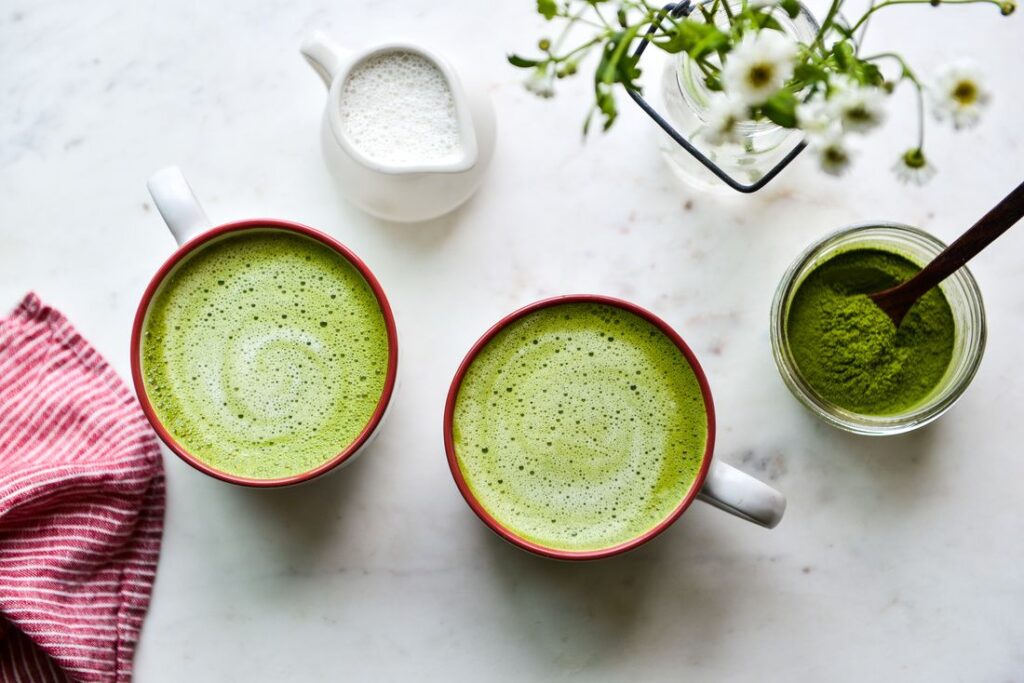
So, you’ve got some matcha powder and you’re ready to make a cup, but you’re not quite sure how to mix matcha? It’s not as complicated as it might seem. Think of it like making a good cup of coffee; a few simple steps can make all the difference. We’ll walk through the basics, from picking the right tools to getting that smooth, frothy texture everyone loves. Let’s get started on making your perfect matcha.
Key Takeaways
- Using the right tools, like a bamboo whisk (chasen) and a wide bowl (chawan), helps achieve a smooth mix.
- Sifting your matcha powder before mixing prevents clumps and creates a smoother drink.
- The water temperature is important; too hot can make matcha bitter, while too cool won’t dissolve it properly.
- Mastering how to mix matcha involves finding the right balance of powder, water, and whisking technique.
- Different grades of matcha exist, affecting flavor and how they mix, with café grades often better for lattes.
Understanding Matcha Quality
When you’re looking for good matcha, it’s not just about the color, though that’s a big part of it. The quality really comes down to a few things that tell you about the tea itself. Think of it like choosing ingredients for a special meal; the better the ingredients, the better the final dish.
The Nuances of Matcha Grades
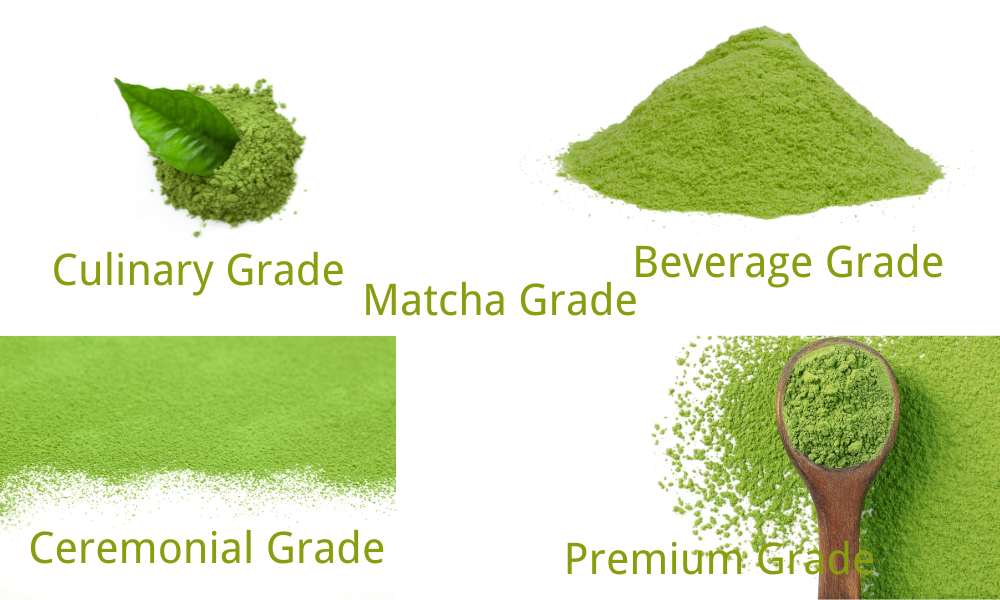
Matcha isn’t just one thing. It’s graded, and these grades tell you about its intended use and flavor. You’ve got your ceremonial grade, which is the highest, meant for traditional preparation, where you drink it straight. Then there are culinary grades, like those made for lattes or baking. These are often a bit more robust in flavor, so they can stand up to milk and sugar without getting lost. It’s about finding the right matcha for what you want to do with it.
The Nuances of Matcha Grades
Visual Cues of Superior Matcha
The most obvious sign of high-quality matcha is its color. It should be a vibrant, almost electric green. If you see a dull, yellowish, or brownish tint, that’s usually a sign that the tea leaves weren’t harvested at their peak or were processed in a way that degraded their quality. Think of the bright green you see in fresh spring leaves – that’s the kind of color you want. This vividness is a direct indicator of the freshness and the care taken in its production, often coming from regions like Yame or Uji where tea cultivation is an art form.
Flavor Profiles: From Robust to Refined
Matcha’s flavor can vary quite a bit. The finest grades, often from places like Uji, offer a delicate, smooth taste with a deep umami and a subtle sweetness. They have a refined profile that’s enjoyable on its own. On the other hand, some matchas, like those designed for lattes, have a bolder, more assertive flavor. This isn’t a bad thing; it just means they’re formulated to cut through milk and other ingredients, providing a distinct matcha taste. Understanding these differences helps you pick the right matcha for your perfect cup, whether you prefer it pure or mixed.
The journey from leaf to powder is a delicate one, and the resulting flavor is a direct reflection of the care taken at each step. From the shaded tea fields to the meticulous stone-grinding, every detail matters in creating a truly exceptional matcha.
The Art of Preparation: How to Mix Matcha
Getting the perfect cup of matcha isn’t just about the powder itself; it’s about how you treat it. Think of it like preparing a delicate watercolor painting – the tools and the technique matter. We’re going to walk through the simple steps to get a smooth, vibrant, and delicious matcha, whether you’re making it traditionally or adding it to a latte.
Essential Tools for the Perfect Blend
To really bring out the best in your matcha, a few key items make a big difference. These aren’t complicated, but they help achieve that ideal texture and flavor.
- Matcha Whisk (Chasen): This bamboo whisk is designed to break up clumps and create a frothy texture. The many tines are key to achieving a smooth consistency.
- Matcha Scoop (Chashaku): A traditional bamboo scoop helps you measure the right amount of matcha powder. It’s designed to gently scoop the fine powder without compressing it.
- Sifter: A fine-mesh sieve is incredibly helpful for removing any small clumps before you even start whisking. This is a step many overlook, but it makes a world of difference.
- Bowl (Chawan): A wide, shallow bowl is ideal for whisking. It gives you plenty of room to move the whisk and create that signature froth.
Achieving a Smooth, Clump-Free Texture
Matcha powder is very fine, and sometimes it can clump up, especially if it’s been exposed to moisture. The goal is a smooth, velvety liquid without any gritty bits.
- Sift First: Always sift your matcha powder into your bowl. This is the most important step for preventing clumps. Use a fine-mesh sifter and gently tap it to let the powder fall through.
- Add Liquid Gradually: Whether you’re making usucha (thin tea) or a latte, start with a small amount of liquid. For usucha, this might be about 2 ounces of warm water. For a latte, you might add a little milk or water to the sifted powder.
- Whisk Vigorously: Use your chasen to whisk the matcha and liquid. The best way to do this is in a “W” or “M” motion, not in circles. Focus on moving the whisk rapidly back and forth across the bottom of the bowl to break up any remaining powder and incorporate air.
- Aim for Froth: Continue whisking until a fine foam covers the surface. This indicates the matcha is well-blended and aerated.
Water Temperature: A Delicate Balance
Water temperature is more important than you might think when preparing matcha. Too hot, and you risk scalding the delicate tea leaves, which can result in a bitter taste. Too cool, and you won’t properly extract the full flavor and aroma.
- For Usucha (Thin Tea): Aim for water between 160°F and 175°F (70°C – 80°C). This temperature range allows the subtle flavors and sweetness of high-quality matcha, like those from Yame or Uji, to shine through without bitterness.
- For Lattes: If you’re adding matcha to milk, the temperature can be a bit higher, closer to 175°F (80°C), as the milk will cool it down. However, avoid boiling water, as it can still negatively impact the flavor.
The key is to find that sweet spot where the matcha dissolves easily and releases its full, nuanced flavor profile.
Preparing matcha is a mindful practice. Taking a moment to sift, to measure, and to whisk with intention transforms a simple beverage into a small ritual. It’s about respecting the tea and appreciating the moment it creates.
By following these steps, you’ll be well on your way to enjoying a perfectly prepared cup of matcha, highlighting the quality and care that goes into authentic Japanese green teas.
Exploring Matcha’s Origins and Craftsmanship
The Terroir of Yame and Uji
Matcha’s story is deeply tied to the land it comes from. Two regions in Japan stand out for their exceptional matcha: Yame in Fukuoka Prefecture and Uji in Kyoto Prefecture. These areas have a long history of tea cultivation, and their unique environments contribute to the distinct characteristics of the matcha produced there.
Yame is known for its misty mountains and fertile soil, which create ideal conditions for growing shade-grown tea. The tea grown here often has a naturally sweet flavor with a rich, full body. Uji, on the other hand, is considered the birthplace of matcha and has been cultivating tea for centuries. Uji matcha is often characterized by its complex flavor profile, featuring deep umami notes and a refined, sometimes slightly more robust, taste.
Master Kawakami’s Philosophy
Master Naoya Kawakami, a third-generation tea farmer and an 8th-dan tea master from Yame, embodies a philosophy centered on purity and tranquility. He believes that the quality of the tea should not be compromised, as any imperfection can detract from the serene experience matcha is meant to provide. His meticulous approach to tea cultivation and processing is a form of respect for the drinker, aiming to offer a moment of peace and well-being in every cup.
Master Kawakami’s dedication is to make authentic matcha accessible, not by lowering standards, but by increasing the world’s understanding of its true quality.
The Process from Leaf to Powder
The journey from a tea leaf to the vibrant green powder we know as matcha is a careful, multi-step process. It begins with shade-growing the tea plants for several weeks before harvest. This shading increases the chlorophyll and L-theanine content, leading to a richer color and a smoother, more umami flavor. After harvesting, the leaves are steamed to stop oxidation, then de-stemmed and de-veined to become ‘tencha’. Finally, the tencha is slowly stone-ground into the fine powder that defines matcha. This grinding process is critical; it must be done slowly to avoid overheating the powder, which can affect its flavor and color. The result is a tea that is both visually striking and deeply flavorful, a testament to the careful craftsmanship involved.
Elevating Your Matcha Experience
Crafting Signature Matcha Lattes
Moving beyond the basic preparation, let’s explore how to make your matcha latte truly special. The key lies in the quality of your matcha and how you integrate it with other ingredients. For a latte that sings, consider a matcha with a slightly bolder profile, like those from Yame. These tend to hold their own beautifully against the creaminess of milk, whether it’s dairy or a plant-based alternative.
Crafting Signature Matcha Lattes
The goal is a harmonious balance where the matcha’s distinct flavor isn’t lost, but rather complemented. Think about the texture too; a finely ground matcha, like those meticulously prepared by Master Kawakami, will blend smoothly, avoiding any chalky residue. Experiment with sweeteners – a touch of honey, agave, or even a hint of maple syrup can add layers of flavor. Don’t be afraid to add a pinch of salt to bring out the sweetness, or a dash of vanilla for warmth.
Beyond the Latte: Culinary Applications
Matcha’s vibrant color and unique flavor aren’t just for drinks. It’s a fantastic ingredient that can transform everyday foods into something extraordinary. Imagine a delicate matcha-infused shortbread, or a rich chocolate mousse with a swirl of green. Its slightly vegetal notes can cut through the richness of desserts, providing a refreshing counterpoint.
When using matcha in baking or cooking, remember that heat can affect its delicate flavor and color. For best results, incorporate it into batters or doughs towards the end of the mixing process. If you’re making a sauce or glaze, a lower heat is generally preferred. High-quality matcha, especially from regions like Uji, known for its historical tea cultivation, will offer a more profound and authentic flavor in your culinary creations.
Here are a few ideas to get you started:
- Matcha Ice Cream: Blend a teaspoon or two of high-quality matcha powder into your favorite vanilla ice cream base before freezing.
- Matcha Cookies: Add matcha powder to your go-to cookie dough recipe for a beautiful green hue and a subtle, earthy flavor.
- Matcha Drizzles: Whisk matcha with a little water and a touch of sweetener to create a vibrant drizzle for cakes, pancakes, or yogurt.
The Role of Storage in Freshness
Matcha is a delicate powder, and its quality can degrade quickly if not stored properly. Exposure to air, light, and moisture are its greatest enemies. Once you open a tin or bag of matcha, it’s best to consume it within a few weeks to a month for the freshest taste and brightest color.
- Airtight Container: Always store your matcha in an airtight container. If your matcha came in a resealable bag, consider transferring it to a dedicated matcha tin or a dark glass jar.
- Cool, Dark Place: Keep the container in a cool, dark place, like a pantry or cupboard. Avoid storing it in the refrigerator unless absolutely necessary, as condensation can form when you take it out.
- Avoid Heat: Never store matcha near heat sources, such as a stove or oven.
Proper storage helps preserve the vibrant green color and the nuanced flavor profile that makes authentic Japanese matcha so special. It’s a small step that makes a big difference in your daily cup.
The Sensory Journey of Matcha
A Symphony of Aroma and Color
The visual appeal of matcha is the first hint of the experience to come. High-quality matcha, like that from the renowned regions of Yame and Uji in Japan, presents a vibrant, almost electric green. This vividness isn’t just for show; it’s a direct indicator of freshness and the careful cultivation and processing of the tea leaves. Think of it as nature’s way of saying, “I’m at my peak.” When you whisk your matcha, observe how the powder transforms into a frothy, jade-colored liquid. The aroma that rises is equally important – often described as fresh, grassy, and subtly sweet, it’s a delicate perfume that awakens the senses before the first sip.
The Umami Embrace
Matcha is unique among teas for its profound umami flavor. This is that savory, mouth-filling taste that’s hard to describe but easy to recognize, similar to what you might find in a rich broth or aged cheese. The umami in matcha is a direct result of the shade-growing process, where the tea plants are covered for weeks before harvest. This method increases chlorophyll and L-theanine content, leading to that characteristic savory depth. The best matcha offers a complex umami that is both satisfying and clean, without any harsh bitterness. This depth is what makes matcha so intriguing and enjoyable, especially when you’re exploring authentic Japanese tea from regions like Uji.
Velvety Mouthfeel and Finish
Beyond the taste and aroma, the texture of well-prepared matcha is a sensory delight. A perfectly whisked cup should have a smooth, creamy mouthfeel, almost like a light velvet coating your tongue. This is achieved through the fine stone-grinding of the tea leaves into an exceptionally fine powder and proper whisking technique. The finish should be clean and lingering, leaving a pleasant, slightly sweet aftertaste that invites another sip. It’s this complete sensory experience – from the bright color and fresh aroma to the deep umami and smooth texture – that makes a cup of authentic matcha so special.
Your Perfect Cup Awaits
So there you have it. Making a truly great cup of matcha isn’t some big secret. It’s about a few simple steps, really. Getting the right powder, using the right water temperature, and whisking it well. It might take a couple of tries to get it just how you like it, but that’s part of the fun. Don’t be afraid to experiment a little. Soon enough, you’ll be whipping up that perfect, frothy green tea like you’ve been doing it for years. Enjoy the process, and most importantly, enjoy your delicious matcha.
Read more: How Much Matcha Powder for Matcha Latte: The Perfect Ratio Explained


Quicl access to
You may also be interested in
Discover Premium Bulk Ceremonial Matcha for Your Daily Ritual
We’re really excited to talk about something special today: bulk ceremonial matcha. It’s more than...
Nov
Finding the Best Matcha Wholesale Supplier in Japan: A Comprehensive Guide
We’re diving into the world of Japanese matcha, specifically how to find the best wholesale...
Nov
Mastering Matcha: Your Ultimate Guide on How to Make Matcha Without Clumps
So, you want to make a nice cup of matcha without those annoying little lumps?...
Is Matcha Toxic? Unpacking the Health Benefits and Potential Risks
Matcha, that bright green powder, has become super popular. You see it everywhere, from fancy...
Nov
Mastering the Art: A Simple Guide on How to Mix Matcha for the Perfect Cup
So, you’ve got some matcha powder and you’re ready to make a cup, but you’re...
Oct
Is Matcha Detoxifying? Exploring the Health Benefits of Green Tea
Lots of people are talking about matcha these days, and you might have heard it’s...
Nov