

Industry News, Market Insight, News
Mastering Matcha: Your Ultimate Guide on How to Make Matcha Without Clumps
So, you want to make a nice cup of matcha without those annoying little lumps? It’s not as hard as it sounds. Honestly, I used to struggle with it too, ending up with a gritty drink that just wasn’t enjoyable. But after a bit of trial and error, I figured out some simple tricks. This guide is all about showing you how to make matcha without clumps, so you can actually enjoy that smooth, vibrant green tea you’ve been wanting.
Key Takeaways
- Start with good quality matcha powder. The finer it is, the less likely it is to clump.
- Always sift your matcha powder before adding water. This is the biggest step to avoiding clumps.
- Use a bamboo whisk (chasen) and a proper tea bowl (chawan) for the best results.
- The right water temperature is important; too hot and it can affect the taste and mixability.
- Practice the whisking motion. A quick ‘W’ or ‘M’ shape helps create a smooth, frothy tea.
The Foundation Of A Clump-Free Matcha Experience
Understanding Matcha’s Fine Texture
Matcha is a finely ground powder made from shade-grown green tea leaves. Unlike regular tea leaves that are steeped and removed, the entire tea leaf is consumed with matcha. This unique preparation method means the quality of the powder itself is paramount. The fineness of the grind is what allows matcha to dissolve, or at least suspend, in water. If the particles are too large, or if they’ve clumped together, you’ll end up with that gritty texture nobody wants. Think of it like flour for baking – you wouldn’t want lumps in your cake batter, right? The same principle applies here. The ideal matcha powder is ground to an almost impossibly fine consistency, often through traditional stone grinding methods, which helps it integrate smoothly into liquid.
The Role Of Quality Matcha Powder
When we talk about quality matcha, we’re really talking about the tea leaves themselves and how they’re processed. Matcha from regions like Uji or Yame in Japan, known for their long history of tea cultivation, often has a superior texture. This is because the farmers and tea masters there have perfected the art of growing, harvesting, and grinding the leaves. High-quality matcha is characterized by its vibrant green color, a sign of good chlorophyll content from the shade-growing process, and a fine, silky texture. Lower quality matcha might be duller in color and feel coarser, making it more prone to clumping. The better the powder, the easier it is to achieve a smooth cup.
The Impact Of Storage On Matcha Integrity
How you store your matcha is just as important as the quality you start with. Matcha is sensitive to light, air, and moisture. Exposure to these elements can cause the fine powder to degrade, lose its vibrant color, and, importantly, clump. When matcha powder absorbs moisture from the air, it can start to form small, hard clumps that are difficult to break apart. To keep your matcha fresh and free-flowing, always store it in an airtight container, preferably in a cool, dark place. Some even recommend storing it in the refrigerator, especially after opening, to further preserve its delicate nature. This attention to storage helps maintain that fine texture, making your preparation process much smoother.
Essential Tools For Perfect Matcha Preparation
To achieve that perfect, smooth cup of matcha, the right tools make all the difference. It’s not just about the powder and water; the equipment you use plays a significant role in how your matcha turns out. Think of it like a painter needing their brushes and canvas – for matcha, these are your foundational pieces.
The Significance Of A Matcha Sifter
Before you even think about whisking, sifting your matcha powder is a step that cannot be skipped if you want to avoid clumps. Matcha, being a finely ground powder, naturally tends to clump together, especially when exposed to moisture or air. A matcha sifter, often a fine-mesh sieve, breaks up these small clumps, ensuring a smooth, even consistency when mixed with water. This simple act transforms the texture from gritty to velvety.
- Ensures a smooth, lump-free texture.
- Aerates the powder, making it easier to whisk.
- Removes any larger particles for a refined taste.
Using a dedicated matcha sifter is highly recommended. These are designed with a very fine mesh, perfect for the delicate nature of matcha. Some sifters even come with a small tool to help push the powder through, making the process efficient and clean.
Choosing The Right Whisk (Chasen)
The bamboo whisk, or chasen, is perhaps the most iconic tool for matcha preparation. Its many tines are specifically designed to agitate the matcha powder and water, creating a frothy emulsion. The number and flexibility of the tines can vary, influencing the texture of the foam. A good quality chasen, often made from a single piece of bamboo, will allow you to create a fine, stable foam with minimal effort.
- Ceremonial Grade Chasen: Typically has 80-120 tines, ideal for creating a delicate foam for traditional preparation.
- Whisks for Lattes: Some may have fewer, sturdier tines, better suited for breaking up clumps in thicker liquids.
When selecting a chasen, look for one that feels balanced in your hand. The bamboo should be smooth and free of splinters. Authentic whisks often come from regions like Uji, known for its long history of tea cultivation and craftsmanship.
The Art Of The Tea Bowl (Chawan)
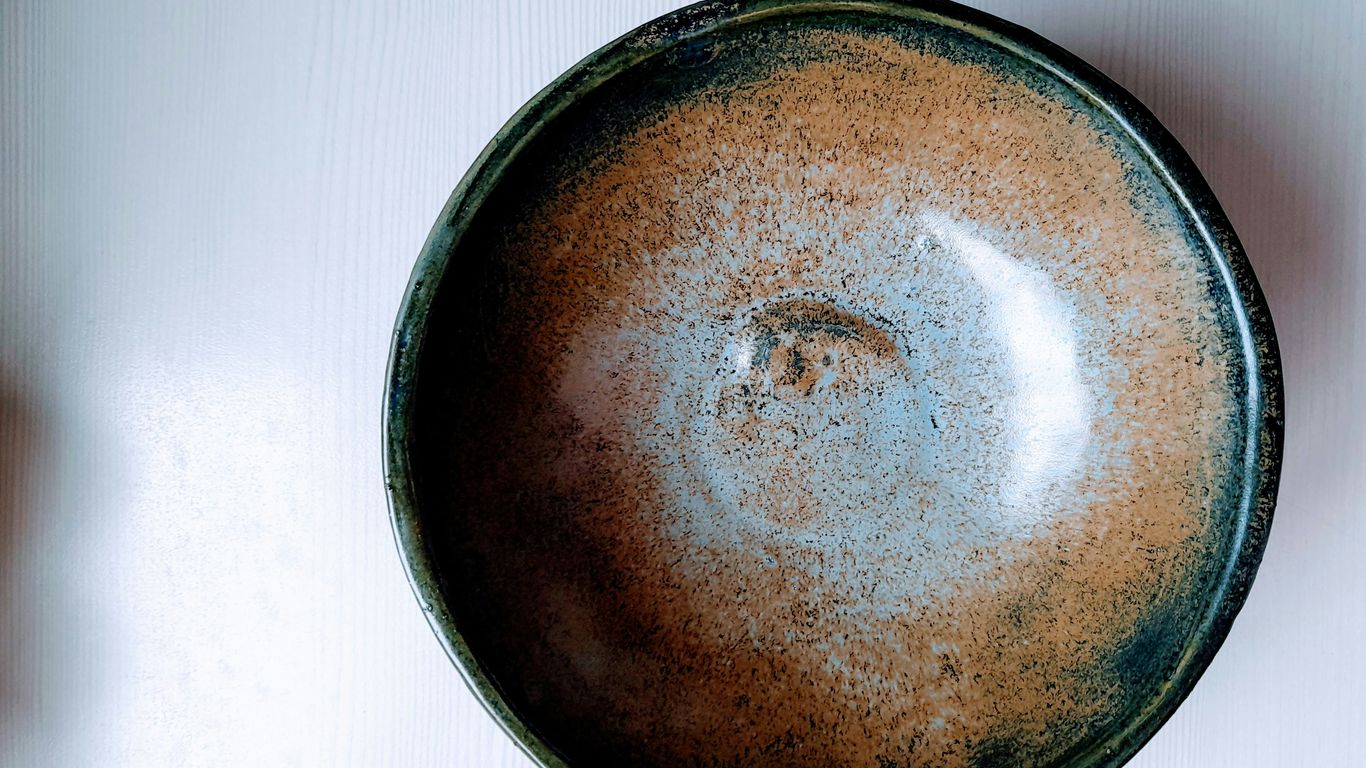
The chawan, or tea bowl, is more than just a vessel; it’s an integral part of the matcha experience. Its shape and size are designed to facilitate the whisking process. A wider, shallower bowl allows ample room for the chasen to move freely, creating that signature froth. The material of the bowl can also affect how the tea is enjoyed, with ceramic bowls often retaining warmth nicely.
The tactile sensation of holding a well-crafted chawan, feeling its weight and texture, adds a layer of mindfulness to the ritual of preparing and drinking matcha. It connects you to the tradition and the care that goes into each step.
Many traditional tea bowls are handmade, with slight variations that make each one unique. While you can use any bowl, a proper chawan, especially one from a renowned tea-producing area like Yame, can truly enhance the entire ceremony.
Mastering The Sifting Technique
Sifting your matcha powder before you prepare your tea might seem like an extra step, but trust me, it makes a world of difference. It’s not just about getting rid of clumps; it’s about setting the stage for a truly smooth and enjoyable matcha experience. Think of it like preparing a canvas before painting – you want a smooth, even surface to work with.
Why Sifting Is Non-Negotiable
Matcha, by its very nature, is a very finely ground powder. This incredible fineness is what gives it that unique texture and allows it to dissolve (or rather, suspend) in water. However, this also means it’s prone to clumping, especially if it’s been exposed to moisture or has settled during transport. These tiny clumps can be quite stubborn and will resist whisking, leading to that gritty texture nobody wants in their bowl.
Step-By-Step Sifting Guide
Getting this right is simple, but requires a little attention. Here’s how to do it:
- Gather your tools: You’ll need your matcha powder, a fine-mesh sieve (a dedicated matcha sifter is ideal), and your tea bowl (chawan).
- Measure your matcha: Scoop the desired amount of matcha powder into the sieve. A common starting point is about 1-2 bamboo scoops (chashaku) or 1 teaspoon.
- Gently tap and push: Hold the sieve over your tea bowl. Use the back of a spoon or a small spatula to gently tap the sides of the sieve and push the matcha through. You’re not trying to force it; just encourage it to fall through the mesh.
- Inspect the result: You should see a fine, fluffy powder collecting in your bowl. Any larger particles or clumps will remain in the sieve. You can discard these or try to break them up further if you wish, but usually, it’s best to just let them go.
Utilizing A Matcha Sifter For Efficiency
While a regular fine-mesh sieve works, a dedicated matcha sifter, often made of tin-plated steel with a fine mesh screen, can make the process even smoother. Some sifters even come with a small paddle to help push the powder through. This tool is designed specifically for the task, ensuring the finest possible powder. For those who enjoy matcha regularly, pre-sifting an entire bag of high-quality matcha, perhaps from renowned regions like Yame or Uji, and storing it in an airtight container can streamline your daily preparation. This way, your matcha is always ready to be scooped directly into your bowl, saving you time and guaranteeing a clump-free start every time. It’s a small step that honors the quality of the tea itself. See quality matcha.
Sifting is more than just a preparation step; it’s a ritual that respects the delicate nature of matcha, transforming a potentially lumpy powder into a velvety smooth foundation for your tea.
The Art Of Whisking For Smoothness
Whisking is where the magic happens, transforming fine matcha powder and water into a smooth, frothy beverage. It’s not just about mixing; it’s about creating an emulsion, a delicate suspension of tea particles in water that gives matcha its signature texture and mouthfeel. Without proper whisking, you’re left with a gritty drink, which is a far cry from the refined experience matcha offers.
Achieving The Ideal Matcha Emulsion
An ideal matcha emulsion means the powder is fully incorporated into the water, creating a uniform consistency with no dry clumps or large particles floating on top. This is what gives matcha its velvety texture. The goal is a smooth, almost creamy liquid that coats the palate. It’s a balance between breaking down the powder and aerating the liquid just enough to create a light foam.
The ‘W’ Motion: A Classic Technique
The traditional method for whisking matcha involves a rapid, back-and-forth motion, often described as a "W" or "M" shape, using the bamboo whisk (chasen). This isn’t a circular stirring motion. Instead, you want to move the whisk quickly across the bottom of the bowl, breaking up any clumps and incorporating air. The wrist should be loose and agile. Think of it as drawing a "W" or "M" on the surface of the liquid, ensuring the tines of the whisk touch the bottom of the bowl to dislodge any settled powder. This vigorous action is key to creating that fine foam.
Troubleshooting Common Whisking Issues
Sometimes, despite your best efforts, clumps can still appear. If you notice larger clumps, it often means the powder wasn’t sifted well enough beforehand, or the whisking motion wasn’t vigorous enough. Another issue can be a lack of foam. This might happen if the water is too hot, which can ‘cook’ the matcha, or if the whisking is too slow. Conversely, too much foam, or large, unstable bubbles, can result from whisking too aggressively or for too long. Adjusting your water temperature and whisking speed can help resolve these common problems. Remember, practice makes perfect, and even a slightly imperfect whisk can still be a delightful cup, especially when using high-quality matcha from regions like Yame or Uji.
The key to a smooth matcha is patience and a gentle, yet firm, hand. It’s a mindful process that rewards attention to detail with a superior taste and texture.
Water Temperature: A Crucial Element
When you’re preparing matcha, the temperature of your water plays a surprisingly big role. It’s not just about making the tea drinkable; it’s about bringing out the best flavors and textures from the finely ground leaves. Think of it like cooking – the right heat makes all the difference.
The Impact Of Heat On Matcha
Matcha is delicate. If the water is too hot, it can actually ‘scald’ the tea. This means you lose some of those bright, fresh flavors and might end up with a more bitter taste. It’s like overcooking vegetables; they lose their vibrancy and become unpleasant. On the other hand, water that’s too cool won’t properly extract the full flavor and aroma of the matcha, leaving you with a weaker, less satisfying cup.
Finding The Optimal Water Temperature
For a perfect bowl of matcha, aim for water that’s around 70-80 degrees Celsius (158-176 degrees Fahrenheit). This range is generally considered ideal for most matcha, especially the higher grades from places like Uji or Yame, where the tea masters have worked hard to cultivate nuanced flavors. This temperature allows the delicate compounds in the matcha to release their full potential without becoming harsh.
Here’s a quick guide:
- Ceremonial Grade Matcha: Aim for the lower end of the spectrum, around 70°C (158°F). This preserves its subtle sweetness and complex notes.
- Premium or Café Grade Matcha: You can go slightly warmer, up to 80°C (176°F). This helps to fully extract the flavor, which is great if you’re mixing it with milk or other ingredients.
Avoiding Scalding The Delicate Leaves
It’s easy to just grab boiling water, but that’s where many go wrong. If you don’t have a thermometer, a simple trick is to let your boiled water sit for a few minutes. Pouring it into your tea bowl and then back into the kettle a couple of times can also help cool it down to the right temperature. This small step makes a big difference in the final taste. It’s about respecting the tea, much like the care taken by Master Kawakami in Yame to grow his exceptional leaves.
The pursuit of a perfect matcha experience is a journey of small, mindful adjustments. Water temperature is one of the most accessible yet impactful variables you can control. Getting it right means unlocking the true character of the tea, transforming a simple drink into a moment of quiet appreciation.
Beyond The Basics: Elevating Your Matcha
Exploring Different Matcha Grades
Matcha isn’t just one thing; it’s a spectrum. Think of it like wine or olive oil – there are different qualities, each suited for different purposes. For everyday drinking and lattes, you might reach for a "Premium" or "Café" grade. These are often blends, designed to have a robust flavor that stands up well to milk and sweeteners, and a vibrant color that stays true. They’re usually more forgiving and cost-effective for regular use.
On the other hand, "Ceremonial" grade matcha is typically made from the youngest tea leaves, ground to an incredibly fine powder. This grade is meant to be enjoyed on its own, perhaps with just hot water, to appreciate its delicate, nuanced flavors – think subtle sweetness, a smooth mouthfeel, and a lingering umami. It’s a more refined experience, often sourced from specific regions known for their high-quality tea, like Uji in Kyoto or Yame in Fukuoka.
The Influence Of Origin On Flavor
Where your matcha comes from really matters. Japan has a few key regions famous for producing exceptional matcha, and each has its own character. Uji, in Kyoto, is considered the birthplace of matcha and is renowned for its teas that offer a deep, savory umami and a classic, refined taste. It’s a flavor profile steeped in history.
Then there’s Yame, in Fukuoka. Matcha from Yame often has a wonderfully rich, sweet character with a smooth finish. It’s a slightly different, but equally delightful, expression of Japanese green tea.
Understanding these regional differences can help you choose a matcha that best suits your palate and how you plan to prepare it. It’s about appreciating the subtle artistry that goes into each harvest.
Creating Signature Matcha Beverages
Once you’ve got a handle on the basics – good quality matcha, proper sifting, and the right whisking technique – you can start getting creative. Think about what you want in your drink. Do you want a bold, assertive matcha flavor that cuts through creamy milk for a latte? Or are you aiming for a lighter, more delicate taste for an iced tea?
Consider adding a touch of sweetness with honey or agave, or perhaps a hint of vanilla or mint. For a richer texture, a splash of oat milk or almond milk can work wonders. Don’t be afraid to experiment! The goal is to find combinations that you enjoy, turning a simple cup of matcha into your own personal creation. The true art of matcha lies in its versatility and how it can be adapted to suit countless tastes and preferences.
Here are a few ideas to get you started:
- Classic Matcha Latte: Combine sifted matcha with a small amount of hot water, whisk until frothy, then add steamed milk and your preferred sweetener.
- Iced Matcha Lemonade: Whisk matcha with cold water, then pour over ice and lemonade for a refreshing twist.
- Matcha Smoothie: Blend matcha with banana, spinach, a liquid base (like almond milk), and a touch of sweetener for a vibrant, energizing drink.
Your Matcha Journey Continues
So there you have it. We’ve walked through the simple steps to get that smooth, clump-free matcha. It’s not some big secret, just a little care and the right tools. Remember, the quality of your matcha powder itself plays a big part, so choosing a good one, like the premium grades from Yame or Uji, really makes a difference. Now you can enjoy that vibrant green goodness without any fuss. Go ahead, whisk up a bowl and savor the moment. Your perfect cup of matcha awaits.
Frequently Asked Questions
Why does my matcha have clumps?
Matcha powder is super fine, almost like dust. Sometimes, tiny bits of the powder stick together, especially if it’s been exposed to moisture or air. This is totally normal! The good news is, there are easy ways to fix it, like sifting the powder before you mix it.
What’s the best way to mix matcha without clumps?
The secret is to use a special sifter to break up any clumps before you add water. Then, use a bamboo whisk, called a chasen, to mix it really fast in a bowl. Think of it like whisking eggs – a quick back-and-forth motion helps make it smooth.
Does the type of matcha matter for avoiding clumps?
Yes, it really does! Higher quality matcha is usually ground finer and is less likely to clump. Also, how it’s stored is important. Keeping it in an airtight container away from light and heat helps keep it fresh and less clumpy.
What tools do I absolutely need for good matcha?
You’ll want a matcha sifter to get rid of lumps, a bamboo whisk (chasen) for mixing, and a tea bowl (chawan) to prepare it in. These tools are designed to help you get that perfect, smooth cup every time.
How hot should the water be for making matcha?
You don’t want to use boiling water, as it can make the matcha taste bitter. Aim for water that’s around 175°F (80°C). It’s warm enough to mix the powder well but not so hot that it burns the delicate tea leaves.
Can I use regular kitchen whisks or strainers?
While you can try, they won’t work as well. A fine mesh kitchen sieve might catch some clumps, but a real matcha sifter is designed to get the powder super fine. A regular whisk doesn’t have the right shape or flexibility to create the smooth, frothy texture that a bamboo chasen does.


Quicl access to
You may also be interested in
Is Matcha Plant Based? Unpacking the Origins of Your Green Tea
So, you’ve probably seen matcha everywhere lately. It’s in lattes, smoothies, even baked goods. And...
Nov
The Ultimate Guide to Buying Bulk Matcha Tea Powder for Your Business
Buying bulk matcha tea powder for your business might seem a bit daunting at first,...
Oct
Can You Be Allergic to Matcha? Understanding the Risks and Symptoms
Matcha, that vibrant green tea powder, has become super popular. People love it in lattes,...
Oct
Mastering the Art: How to Correctly Make Matcha for the Perfect Brew
So, you want to make matcha? It’s not as hard as it looks, honestly. Lots...
Nov
Can You Really Make Matcha Without Matcha Powder? Exploring Alternatives
So, you’re curious about how to make matcha without, well, matcha powder? It sounds a...
Nov
Discover Premium Matcha Wholesale Japan: Your Source for Authentic Japanese Green Tea
We’re excited to share our passion for authentic Japanese matcha with you. If you’re looking...
Oct