

Industry News, News
Mastering the Art: How to Correctly Make Matcha for the Perfect Brew
Nov
So, you want to make matcha? It’s not as hard as it looks, honestly. Lots of people think it’s this super complicated thing, but it really just comes down to a few simple steps. We’re going to break down how to correctly make matcha so you can get that perfect cup every time. No more lumpy, bitter messes. Just smooth, delicious green tea. Let’s get started.
Key Takeaways
- Understanding matcha quality means looking at its origin and grade.
- Having the right tools, like a sifter and whisk, makes a big difference.
- Water temperature is super important for getting the best flavor.
- The way you whisk the matcha affects its texture and foam.
- Practicing the whisking technique will lead to a better brew.
The Essence of Matcha: Understanding Its Origins and Quality
The Reverence for Land and Tradition
Matcha isn’t just a beverage; it’s a product of deep respect for the land and time-honored traditions. The finest matcha comes from specific regions in Japan, like Uji in Kyoto and Yame in Fukuoka. These areas have a unique climate and soil that are perfect for growing the shade-grown tea leaves, called tencha, which are then stone-ground into matcha. The history of tea cultivation in these regions goes back centuries, with families passing down their knowledge and techniques through generations. This dedication to place and practice is what gives authentic Japanese matcha its special character.
Mastering the Craft: A Philosophy of Purity
Making truly exceptional matcha is an art form. It’s about more than just grinding tea leaves; it’s a philosophy of purity. Tea masters dedicate their lives to understanding every aspect of the process, from nurturing the tea plants to the precise stone-grinding that transforms tencha into a fine powder. This meticulous attention to detail is what separates good matcha from the truly sublime. It’s a commitment to creating a product that is as pure and vibrant as nature intended. This pursuit of perfection is why matcha from places like Uji, Kyoto is so highly regarded.
Distinguishing Matcha Grades for Optimal Brewing
Not all matcha is created equal. Understanding the different grades is key to appreciating and preparing it correctly. Generally, matcha is categorized into ceremonial grade and culinary grade. Ceremonial grade is the highest quality, made from the youngest, most tender leaves of the first harvest. It has a vibrant green color, a smooth, slightly sweet flavor with rich umami, and a fine texture, making it ideal for traditional tea ceremonies. Culinary grade matcha, often from later harvests, has a bolder flavor that stands up well to milk and sweeteners, making it suitable for lattes, smoothies, and baking. Knowing these differences helps you choose the right matcha for your intended use.
Preparing the Perfect Matcha: Essential Tools and Techniques
To truly appreciate matcha, you need the right tools. It’s not just about the tea itself, but the ritual of preparing it. Think of it like a painter needing their brushes and canvas; for matcha, these are your whisk, bowl, and sifter.
The Art of Sifting: Ensuring a Smooth Texture
Sifting your matcha powder before whisking is a step many skip, but it makes a world of difference. Matcha, being a finely ground powder, can easily clump together, especially if it’s been exposed to moisture or air. Clumps lead to a less smooth texture and can make whisking a bit more challenging. Using a fine-mesh sieve, often called a matcha sifter or tea sifter, breaks up these clumps and aerates the powder. This simple step helps create a velvety smooth consistency in your final bowl of tea. It’s a small effort that yields a noticeably better drinking experience, allowing the true character of the matcha, especially those from renowned regions like Yame or Uji, to shine through without any gritty interruptions.
Choosing the Right Vessel: The Chawan’s Role
The bowl you use, the chawan, is more than just a container. Traditionally, these bowls are wide and deep, with a flat bottom. This shape is perfect for whisking. The wide opening gives you plenty of room to maneuver your bamboo whisk (chasen) without hitting the sides, and the depth helps keep the matcha from splashing out. The material of the chawan can also play a role; ceramic bowls, common in Japan, help maintain the tea’s temperature. While any suitable bowl can work, using a chawan adds a layer of authenticity to the preparation process, connecting you to centuries of tea tradition.
The Whisk’s Dance: Achieving a Frothy Elixir
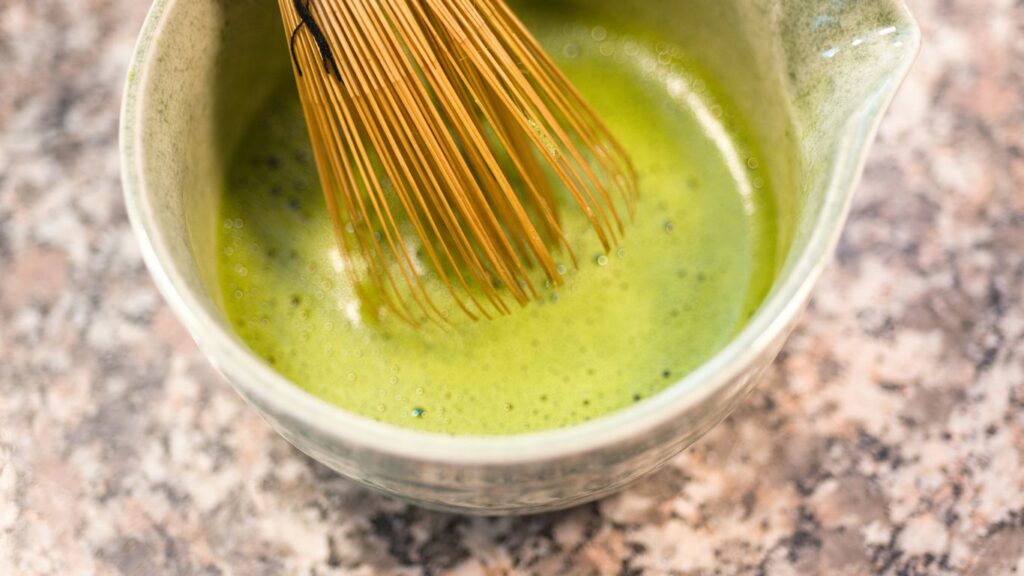
Your chasen, or bamboo whisk, is the heart of matcha preparation. Made from a single piece of bamboo, split into many fine tines, it’s designed specifically for creating a smooth, frothy matcha. The tines are flexible and allow you to agitate the matcha powder and water effectively. The goal is to create a suspension of the tea particles in the water, rather than letting them settle. A well-whisked matcha will have a beautiful layer of fine foam on top, often called ‘awa’, which indicates a properly prepared bowl. It takes practice, but mastering the whisking motion is key to unlocking the full potential of your matcha.
The Alchemy of Water: Temperature and Its Impact
Water seems so basic, but in matcha, it transforms into something almost mystical. Every time I heat water for matcha, I can’t help but remember stumbling into the kitchen still half-asleep and nearly ruining a good bowl by using water that was way too hot. The difference it makes is wild—suddenly, the sweet, creamy notes disappear, and you’re left with something tannic and harsh. Finding that sweet spot is honestly an art form.
Finding the Ideal Water Temperature
The temperature of your water controls matcha’s flavor—from fresh and sweet to bold and robust. Here’s a quick guide to common styles:
| Matcha Style | Ideal Water Temp (°C) | Ideal Water Temp (°F) |
|---|---|---|
| Usucha (thin) | 60–70 | 140–158 |
| Koicha (thick) | 70–80 | 158–176 |
When the water is too hot, matcha will taste astringent. Too cool, and it feels flat. Start with around 70°C (158°F) for general use, then tweak to taste. For more about this, the ideal water temperature for preparing matcha is covered in detail.
The Influence of Water on Flavor Extraction
It’s crazy how just a couple degrees change everything:
- Subtle sweetness from fine matcha blooms with cooler water.
- Umami and deep grassy notes come out as you go a little warmer.
- High temps flatten aroma and amp up the bitter stuff (not in a good way).
It makes me realize why the tea masters of Yame and Uji are so fussy about details. The water doesn’t just dissolve the powder—it invites out all the nuanced flavors shaped by the soil and seasons.
Avoiding Scalding: Preserving Delicate Notes
A quick checklist for water prep:
- Always use filtered, soft water—minerals throw off the taste.
- Boil, then cool water to your chosen temp. (I swirl my kettle or use a thermometer.)
- Never pour boiling water straight onto your matcha!
The best matcha memories? Honestly, they come from bowls where the flavor is both gentle and deep, the sort only possible when the water’s just right—no shortcuts, no guesswork, just patience and care for the process.
So while every step matters, it’s the care and precision of water handling—handed down from the old tea gardens of Japan—that really lets matcha shine. It’s an easy thing to overlook, but once you taste the difference, you won’t want to go back.
The Ritual of Whisking: Crafting the Ideal Consistency
Achieving that perfect, frothy consistency in your matcha isn’t just about mixing powder and water; it’s a mindful practice, a dance between intention and action. The goal is to break down the fine matcha particles and suspend them evenly in the water, creating a smooth, velvety texture without any clumps. This process is where the magic truly happens, transforming simple ingredients into a vibrant elixir.
The ‘W’ or ‘M’ Motion: A Technique for Emulsification
The key to a well-whisked matcha lies in the movement of the bamboo whisk, the chasen. Instead of a simple stirring motion, think of a rapid back-and-forth movement, like writing a ‘W’ or an ‘M’ across the bottom of the bowl. This vigorous action is what aerates the liquid and helps to emulsify the matcha powder, preventing it from settling.
- Start with a gentle mix: First, lightly combine the matcha powder and a small amount of warm water to create a paste. This helps to break up any initial clumps. See whisking basics.
- Engage the wrist: Use your wrist, not your whole arm, to drive the whisking motion. This allows for speed and control.
- Focus on the base: Keep the whisk near the bottom of the chawan (tea bowl), but avoid scraping too hard. The goal is to agitate the liquid effectively.
Achieving the Perfect Foam: A Sign of Mastery
A well-prepared matcha should have a fine, delicate foam on top, often described as a layer of tiny bubbles. This foam isn’t just for aesthetics; it indicates that the matcha has been properly aerated and emulsified. It contributes to the overall mouthfeel, making the tea smoother and more enjoyable.
- Speed is your friend: The faster you whisk, the more air you incorporate, leading to a better foam.
- Gradually lift: As you near the end of the whisking process, you can slowly lift the whisk from the center of the bowl. This helps to break down larger bubbles and refine the foam.
- Listen to the whisk: The sound of the whisk against the bowl can also be a guide. A light, rapid sound suggests you’re on the right track.
Patience and Practice: The Path to a Silky Brew
Like any art form, mastering the whisking technique takes time and repetition. Don’t be discouraged if your first few attempts aren’t perfect. Each whisking session is an opportunity to refine your technique and deepen your connection to the tea. The subtle differences in texture and foam are part of the journey, reflecting the unique character of the matcha, perhaps from the esteemed regions of Yame or Uji, and your own developing skill.
The true beauty of matcha lies not just in its vibrant color or its complex flavor, but in the mindful ritual of its preparation. Each whisk stroke is a moment of presence, a dedication to the simple act of creating something pure and delightful.
Beyond the Brew: Enhancing Your Matcha Experience
The Nuances of Flavor: Umami, Sweetness, and Astringency
Matcha is a complex drink, and its flavor profile is a delicate balance. At its heart is umami, that savory, almost oceanic depth that gives matcha its satisfying richness. This is often complemented by a natural sweetness, a subtle hint of vegetal notes that can range from grassy to almost floral, depending on the grade and origin. Finally, there’s a touch of astringency, a gentle dryness that cleanses the palate. Understanding these elements helps you appreciate the subtle differences between matcha from regions like Yame and Uji. The way these flavors interact can change depending on how you prepare your matcha, and even the water you use.
Pairing Matcha with Culinary Delights
Matcha isn’t just for drinking; it’s a fantastic ingredient. Its vibrant color and distinct flavor can transform both sweet and savory dishes. Think about delicate pastries, rich ice creams, or even savory glazes for fish. When pairing, consider the matcha’s grade. A more robust, café-grade matcha, like those expertly blended for lattes, can stand up to richer flavors and milk. A ceremonial grade, on the other hand, might be best enjoyed on its own or with very simple, subtle sweets that won’t overpower its nuanced profile.
Exploring Matcha in Modern Beverages
Beyond the traditional bowl, matcha has found its way into countless modern drinks. From creamy lattes and refreshing iced teas to vibrant smoothies and even cocktails, its versatility is remarkable. When creating these beverages, the quality of your matcha is key. A high-quality matcha, sourced from renowned regions like Uji or Yame, will provide a beautiful color and a flavor that shines through, even when mixed with other ingredients. It’s about finding that perfect balance where the matcha is present and delightful, not lost.
The journey of matcha extends far beyond the simple act of whisking. It’s an invitation to explore its multifaceted nature, from the subtle interplay of flavors in a traditional bowl to its exciting role in contemporary culinary creations. Each sip, each bite, offers a new perspective on this ancient, yet ever-evolving, tea.
Sourcing Excellence: The Journey from Farm to Cup
The Significance of Japanese Terroir: Yame and Uji
When we talk about matcha, we’re really talking about a product deeply tied to its origin. The land itself plays a huge role in how the tea grows and tastes. Two regions in Japan stand out for their exceptional matcha: Yame in Fukuoka Prefecture and Uji in Kyoto Prefecture. These areas have a long history with tea cultivation, and their unique environments are perfect for growing the shade-grown tea plants needed for matcha.
In Yame, you’ll find misty mountains and fertile soil that help nurture teas with a naturally sweet and rich character. This is where many of our premium grades, like Hana Midori, come from. Uji, on the other hand, is considered the birthplace of matcha. Its teas are known for a more profound, savory umami flavor and a classic, refined taste. Ren Matcha, for example, comes from this historic region.
The specific climate, soil composition, and traditional farming methods in these regions are what give Japanese matcha its distinctive quality. It’s not just about the plant; it’s about the place.
The Role of Tea Masters in Cultivating Quality
Beyond the land, the skill of the tea master is paramount. These individuals are custodians of centuries-old knowledge, guiding every step from cultivation to processing. They understand the subtle nuances of the tea leaves and how to bring out the best in them.
For instance, Master Naoya Kawakami, a third-generation tea farmer from Yame, embodies this dedication. His meticulous approach ensures that each grade of matcha, whether it’s for a vibrant latte or a delicate traditional preparation, meets an uncompromising standard of purity. His philosophy centers on respecting the land and the drinker, aiming for a pure, tranquil experience in every cup.
Understanding the Difference Between Grades for Various Uses
Not all matcha is created equal, and understanding the different grades helps you appreciate its versatility. Generally, matcha is categorized based on its intended use and quality.
- Ceremonial Grade: This is the highest quality, made from the youngest, most tender tea leaves. It’s intended for traditional preparation with just water, offering a smooth, delicate flavor with minimal bitterness and a vibrant green color. It’s meant to be savored on its own.
- Premium Grade: A step down from ceremonial, this grade is still excellent quality. It’s versatile, suitable for both traditional thin tea (usucha) and for making richer, more complex lattes. It balances flavor and color well, offering a good all-rounder. Hana Midori Matcha falls into this category.
- Café/Culinary Grade: This grade is designed to hold up well when mixed with milk, sweeteners, and other ingredients. It often has a bolder flavor profile that doesn’t get lost in other components, making it ideal for lattes, smoothies, and baking. Hoshi Matcha is a prime example, optimized for these applications.
Choosing the right grade means you’re respecting the tea’s inherent qualities and ensuring the best possible experience, whether you’re enjoying it traditionally or in a modern beverage. It’s about matching the tea to the moment.
The Ongoing Journey of Matcha
So, there you have it. Making a truly great cup of matcha isn’t just about following steps; it’s about a mindful approach. It’s about understanding the powder, the water, and the tools. Each element plays a part in the final taste. Don’t be discouraged if your first few attempts aren’t perfect. Like any art form, it takes practice. Keep experimenting with water temperature and whisking techniques. You’ll find your own rhythm and discover what works best for you. Enjoy the process, and savor the moments of calm that a well-made bowl of matcha can bring.
Frequently Asked Questions
What makes matcha special compared to other teas?
Matcha is a finely ground powder made from specially grown and processed green tea leaves. Unlike regular tea where you steep leaves and discard them, with matcha, you consume the entire leaf. This means you get more of the good stuff, like antioxidants and nutrients. It’s also traditionally prepared with a lot of care, making it a bit of a ritual.
How can I tell if I’m buying good quality matcha?
Good matcha usually has a bright, vibrant green color. If it looks dull or yellowish, it might not be the best quality. Also, high-quality matcha smells fresh and a little sweet, not like hay. When you touch it, it should feel super fine, almost like dust. The better the quality, the smoother and less bitter it will taste.
What tools do I really need to make matcha at home?
To make a really good cup of matcha, you’ll want a few key items. A bamboo whisk, called a ‘chasen,’ is essential for getting that nice frothy texture. You’ll also need a scoop, a ‘chashaku,’ to measure the matcha powder, and a bowl, or ‘chawan,’ to whisk it in. Sifting the matcha powder beforehand helps a lot to avoid clumps.
Is there a specific way to whisk matcha?
Yes! The best way to whisk matcha is using a quick back-and-forth motion, like writing a ‘W’ or ‘M’ in the bowl. You want to move the whisk rapidly over the bottom of the bowl without pressing down too hard. This helps to mix the powder evenly with the water and create a nice, frothy layer on top.
What’s the best water temperature for making matcha?
It’s important not to use boiling water for matcha, as it can make the tea taste bitter and burn the delicate leaves. The ideal temperature is usually between 160°F and 175°F (70°C to 80°C). If you don’t have a thermometer, just let your boiled water sit for a few minutes before pouring it over the matcha.
Can I add milk and sugar to my matcha?
Absolutely! While traditional matcha is often enjoyed plain, many people love matcha lattes with milk and a sweetener. Using a good quality matcha, even a ‘cafe grade’ one, works wonderfully in these drinks. The bolder flavor of cafe grade matcha stands up well to milk and sugar, giving you a delicious and creamy beverage.


Quicl access to
You may also be interested in
What is Shincha? Exploring Japan’s Freshest Tea PD
Every year, around April and May, the Japanese tea world is thrust into “Shincha Season”....
Aug
Is Matcha Detoxifying? Exploring the Health Benefits of Green Tea
Lots of people are talking about matcha these days, and you might have heard it’s...
Nov
Why “Ceremonial Grade” is Meaningless PD
Every year, around April and May, the Japanese tea world is thrust into “Shincha Season”....
Aug
Is Matcha Just Ground Green Tea? Unpacking the Differences
Lots of people wonder if matcha is just regular green tea, but ground up. It’s...
Nov
The Best Matcha Bulk Powders for Your Business
Finding the right matcha bulk powders for your business can feel like a quest. We’ve...
Nov
Sourcing Premium Organic Matcha Green Tea: A Wholesale Guide
Getting the right organic matcha green tea wholesale is key for any business. We’ve put...
Nov