

Industry News, News
Where to Buy Matcha in Bulk: Your Ultimate Guide
Nov
So, you’re looking to buy matcha in bulk, huh? It can feel like a big task trying to find the right stuff, especially when you want good quality for your business. There’s a lot to think about, from where it comes from to how it tastes. This guide is here to make it a bit easier, breaking down what you need to know so you can find exactly what you’re looking for. We’ll cover the basics and get into some of the details that matter when you’re buying larger amounts.
Key Takeaways
- Understand the different matcha grades available for bulk purchases to match your needs.
- Direct sourcing from Japanese tea masters can ensure authenticity and quality.
- Consider factors like cultivar, shading, color, flavor, and texture when buying in bulk.
- Always request samples and inquire about B2B pricing and order volumes.
- Building a good relationship with your supplier is important for consistent quality and service.
Exploring The World Of Wholesale Matcha
When you’re looking to buy matcha in bulk, it’s like opening a door to a whole new world of tea. It’s not just about getting a lot of powder; it’s about understanding what makes good matcha, especially when you need it for your business. We’re talking about the real deal here, the kind that comes from the dedicated tea farms in Japan, particularly places like Yame and Uji. These regions have a history with tea that’s hard to match, and that history shows up in the quality of the matcha.
Exploring The World Of Wholesale Matcha
Understanding Matcha Grades For Bulk Purchase
Matcha isn’t just one thing. There are different grades, and knowing them is key when you’re buying in larger quantities. Think of it like this:
- Ceremonial Grade: This is the highest quality, meant for drinking straight (usucha). It’s finely ground, has a vibrant green color, and a smooth, umami-rich flavor with little to no bitterness. It’s delicate and best enjoyed on its own.
- Premium/Café Grade: This is a great middle ground. It’s still high quality, with good color and flavor, but it’s a bit more robust. It holds up well in drinks with milk, like lattes, and is also good for desserts. It offers a good balance of quality and versatility for businesses.
- Culinary Grade: This grade is made for cooking and baking. It’s usually less vibrant in color and can have a more pronounced, sometimes bitter, flavor that’s meant to stand up to other ingredients. It’s the most budget-friendly option for large-scale use in food products.
The Nuances Of Yame And Uji Matcha Terroir
Japan has specific regions known for producing exceptional matcha, and two stand out: Yame and Uji. The land, climate, and farming practices in these areas create unique characteristics in the tea. Uji, near Kyoto, is considered the birthplace of matcha and is famous for its traditional, deeply savory, and complex flavors. Yame, in Fukuoka Prefecture, is known for its slightly sweeter, more mellow profile, often with a bright, refreshing finish. Understanding these regional differences helps you choose matcha that fits the specific taste profile you’re aiming for.
Identifying Premium Matcha For Your Business Needs
So, how do you spot the good stuff when buying in bulk? Look for a few key indicators:
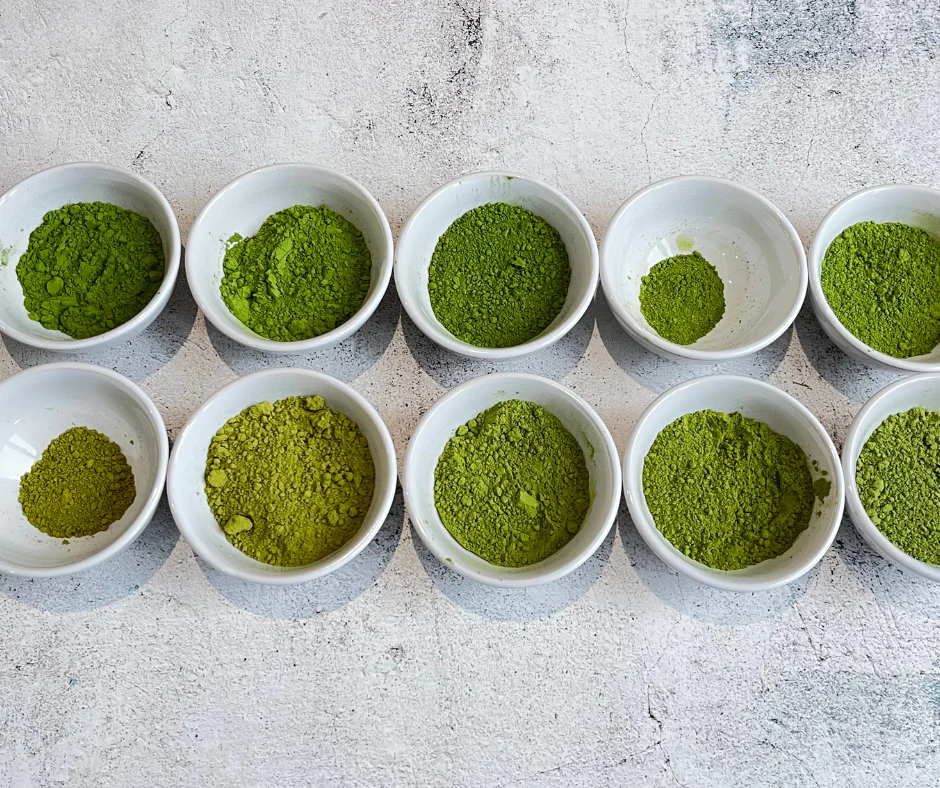
- Color: Premium matcha should have a bright, vivid green color. Dull or yellowish green can mean it’s older or of lower quality.
- Texture: It should be very finely ground, almost like silk. This fineness comes from traditional stone grinding.
- Aroma: Fresh matcha has a sweet, grassy aroma. A lack of aroma or a stale smell is a bad sign.
- Origin: Matcha from regions like Uji and Yame in Japan is generally a good indicator of quality due to their long-standing tea traditions and specific growing conditions.
Choosing the right matcha for your business is about more than just the price. It’s about sourcing a product that reflects quality and authenticity, something your customers will appreciate and return for.
Sourcing Premium Matcha In Bulk
Finding the right wholesale matcha is like finding a rare gem. It’s not just about the powder; it’s about the journey from the tea fields to your cup. When you’re looking to buy in bulk, you want to be sure you’re getting something truly special, something that reflects the care and tradition of Japanese tea cultivation.
Direct Partnerships With Japanese Tea Masters
Working directly with Japanese tea masters is one of the best ways to secure high-quality matcha. These individuals have spent years, often generations, perfecting their craft. They understand the soil, the climate, and the specific needs of each tea plant. This deep knowledge allows them to cultivate and process tea leaves in a way that brings out the best possible flavor and color. By partnering with them, you get a direct line to the source, cutting out unnecessary steps and ensuring authenticity. It’s about building a relationship with the people who grow and craft the tea, understanding their methods, and trusting their expertise. This approach helps guarantee that the matcha you receive is of consistent, superior quality, reflecting the true spirit of Japanese tea.
The Significance Of Cultivar And Shading
The type of tea plant, or cultivar, plays a significant role in the final taste and appearance of matcha. Different cultivars have unique characteristics. For example, some are known for their sweetness, while others offer a more robust, umami-rich profile. Similarly, the shading process, where tea plants are covered for several weeks before harvest, is critical. This controlled environment increases chlorophyll production, resulting in a more vibrant green color and a richer, smoother flavor. The duration and intensity of shading are carefully managed by experienced growers to achieve specific taste profiles. Understanding these elements helps in selecting matcha that aligns with your business needs, whether for delicate desserts or bold lattes.
Ensuring Consistency In Color, Flavor, And Texture
For any business relying on matcha, consistency is key. You need to know that every batch you receive will perform the same way. This means the color should be a vibrant, appealing green, the flavor should be balanced and true to its grade, and the texture should be a fine, smooth powder that mixes well. Achieving this consistency often comes down to the meticulous processes employed by the tea masters and the careful selection of tea leaves. Factors like the harvest season, the specific fields used, and the stone-grinding process all contribute. When sourcing in bulk, look for suppliers who can demonstrate a commitment to quality control and who can provide detailed information about their production methods. This attention to detail is what separates truly premium matcha from the rest, providing a reliable product for your customers.
Key Considerations For Bulk Matcha Buyers
When you’re looking to buy matcha in larger quantities for your business, there are a few things that really matter. It’s not just about the price per pound; it’s about what you’re getting and how it will perform.
Flavor Profiles: From Umami Rich To Mellow Sweetness
Matcha isn’t a one-size-fits-all kind of tea. The flavor can change quite a bit depending on where it’s grown and how it’s processed. For instance, matcha from the Uji region in Kyoto is often known for its deep, savory umami and a rich, mellow body. On the other hand, matcha from Yame in Fukuoka might lean more towards a bright, sweet profile. Understanding these differences helps you pick the right matcha for your specific needs. Are you aiming for a bold flavor that stands up in a latte, or a more delicate taste for a traditional preparation?
Optimal Applications: Lattes, Desserts, And Beyond
Think about how you plan to use the matcha. If it’s primarily for lattes, you’ll want a matcha that has a strong enough flavor to cut through milk and sweeteners without tasting bitter. A good café-grade matcha, like Hoshi Matcha, is often designed for this, offering a robust flavor and vibrant color that works well in mixed drinks. For desserts or baked goods, you might look for something with a pronounced flavor that won’t get lost in other ingredients. If you’re serving it traditionally as usucha (thin tea), then the nuances of a premium grade, like Ren Matcha, will really shine through.
Optimal Applications: Lattes, Desserts, And Beyond
The Importance Of Freshness And Proper Storage
Matcha is a delicate powder, and its quality degrades over time, especially once opened. Freshness is key to vibrant color and optimal flavor. Look for suppliers who provide information on the harvest date and recommend an optimal consumption window after opening. Storing your bulk matcha correctly is also vital. Keep it in an airtight container, away from light, heat, and moisture. Refrigeration can help extend its life, but always allow the matcha to come to room temperature before opening to prevent condensation. This attention to freshness will make a noticeable difference in the final product you serve.
Navigating Wholesale Partnerships
Building a strong relationship with your matcha supplier is key to consistent quality and reliable supply. When you’re looking to purchase matcha in bulk, it’s not just about the price per pound; it’s about finding a partner who understands the nuances of tea production and can meet your specific business needs.
Requesting Samples and B2B Pricing
Before committing to a large order, always ask for samples. This is your chance to taste the matcha yourself and assess its color, aroma, and flavor profile. It’s also the best way to gauge consistency. When you inquire about pricing, be prepared to discuss your estimated order volume. Suppliers often have tiered pricing based on quantity, so understanding these brackets can help you plan your budget. For example, a supplier might offer different rates for orders ranging from 100kg to over 10,000kg.
| Order Volume (kg) | Price Tier | Example Discount |
|---|---|---|
| 100 – 500 | Tier 1 | Standard Rate |
| 500 – 1000 | Tier 2 | 5% Off |
| 1000 – 5000 | Tier 3 | 10% Off |
| Over 10,000 | Tier 4 | Custom Quote |
Understanding Order Volumes and Customization
Wholesale orders can vary significantly. Some suppliers cater to smaller businesses needing just a few kilograms, while others are set up for large-scale distribution. It’s important to find a supplier whose order minimums and maximums align with your business’s scale. Don’t hesitate to ask about customization options, too. This could range from specific packaging requirements to custom blends designed for your unique applications. Finding a supplier who can adapt to your needs makes all the difference.
Building Lasting Relationships with Suppliers
Think of your matcha supplier as an extension of your own business. Open communication is vital. Share feedback on the matcha you receive, and ask questions about their sourcing and production methods. Understanding the origin of your matcha, especially if it comes from renowned regions like Uji or Yame in Japan, can add significant value to your brand story. A good supplier will be transparent and willing to share insights into their craft, much like the dedication found in authentic Japanese tea cultivation.
The Art Of Matcha Selection For Businesses
Choosing the right matcha for your business is a bit like selecting the perfect ingredient for a chef – it needs to perform well and taste great. When you’re buying in bulk, you’re not just purchasing a product; you’re investing in the quality and consistency that will define your offerings. Think about the specific applications you have in mind. Are you aiming for vibrant, creamy lattes, delicate desserts, or perhaps a straightforward, pure matcha experience?
Hoshi Matcha: A Versatile Choice For Cafes
Hoshi Matcha is often highlighted for its adaptability, making it a solid choice for many cafes. It’s noted for having a flavor profile that stands up well when mixed with milk and sweeteners, which is key for popular drinks like matcha lattes. This means you can achieve a consistent, enjoyable taste even when creating complex beverages. Its color is also a plus, keeping drinks looking appealingly green.
Ren Matcha: The Benchmark Of Kyoto Tradition
For businesses that want to emphasize heritage and a more traditional flavor, Ren Matcha comes from the Uji region of Kyoto. This area is historically significant for the production of matcha. Ren Matcha is described as having a deep, savory umami and a smooth, rich body. It’s the kind of matcha that speaks to connoisseurs and can be a real draw for customers who appreciate authenticity. Offering this kind of matcha can set your business apart by showcasing a connection to the roots of Japanese tea culture.
Hana Midori Matcha: Elegance In Every Sip
Hana Midori Matcha, also from the Yame region, is presented as an elegant option. It’s described as having a balance of umami and a gentle sweetness, with less of the sharp astringency that can sometimes be present in other grades. This makes it quite approachable and pleasant for a variety of uses, from simple tea preparation to more refined culinary creations. The key is finding a matcha that aligns with your brand’s identity and your customers’ expectations.
When selecting wholesale matcha, consider these points:
- Flavor Profile: Does it lean towards rich umami, subtle sweetness, or a more vegetal note?
- Color: A vibrant green usually indicates freshness and good quality.
- Texture: The fineness of the powder affects how well it dissolves and the smoothness of the final product.
- Origin: Matcha from renowned regions like Uji or Yame often carries a reputation for quality.
It’s always a good idea to request samples when considering bulk purchases. This allows you to taste and test the matcha in your intended applications before committing to a large order. Understanding the nuances of each type, like the distinct characteristics of Yame versus Uji matcha, can help you make an informed decision that benefits your business and delights your customers. You can explore options for premium matcha that are sourced directly from Japan.
Finding Your Perfect Matcha Source
So, you’ve explored the world of buying matcha in bulk. It’s more than just picking a product; it’s about finding a partner who understands the nuances of this special tea. Whether you’re looking for the bright, bold notes for lattes or the deep, complex flavors for a refined experience, there are options out there. Remember to consider the origin, the grade, and the specific qualities that will best suit your needs. Reaching out to suppliers, asking questions, and perhaps even requesting samples is a good next step. Building a relationship with a trusted source can make all the difference in bringing quality matcha to your customers or your own enjoyment.
Read more: Finding the Best Matcha Wholesale Supplier in Japan: A Comprehensive Guide


Quicl access to
You may also be interested in
Where to Buy Matcha Wholesale: Your Ultimate Guide
Looking to buy matcha wholesale? We get it. Finding the right supplier is a big...
Nov
Mastering the Art: A Simple Guide on How to Mix Matcha for the Perfect Cup
So, you’ve got some matcha powder and you’re ready to make a cup, but you’re...
Oct
Can You Really Make Matcha Without Matcha Powder? Exploring Alternatives
So, you’re curious about how to make matcha without, well, matcha powder? It sounds a...
Nov
Finding the Best Matcha Wholesale Supplier in Japan: A Comprehensive Guide
We’re diving into the world of Japanese matcha, specifically how to find the best wholesale...
Nov
Can You Be Allergic to Matcha? Understanding the Risks and Symptoms
Matcha, that vibrant green tea powder, has become super popular. People love it in lattes,...
Oct
Where to Buy Matcha in Bulk: Your Ultimate Guide
So, you’re looking to buy matcha in bulk, huh? It can feel like a big...
Nov