

Market Insight
How to Tell Matcha Quality: A Comprehensive Guide
Nov
Matcha is a special kind of green tea, and not all of it is created equal. If you’re looking to buy some or just want to know what makes a good cup, figuring out the quality can seem a bit tricky. But don’t worry, it’s not as hard as you might think. We’ll break down how to tell matcha quality by looking at its color, smell, feel, and taste. Plus, we’ll touch on where it comes from and how it’s made. Knowing these things will help you pick out the best matcha every time.
Key Takeaways
- Look for a bright, vibrant green color. Dull or yellowish shades often mean lower quality.
- A fresh matcha should smell like sweet grass or plants. Any stale or off smells are a bad sign.
- Good matcha feels like very fine, soft powder, almost like silk. You shouldn’t feel any rough bits.
- The taste should be smooth and a bit sweet, with a pleasant savory note (umami). It shouldn’t be too bitter or harsh.
- Matcha from famous regions like Uji or Yame, and made by experienced tea masters, is usually a good indicator of quality.
The Verdant Hue: A Visual Assessment Of Matcha
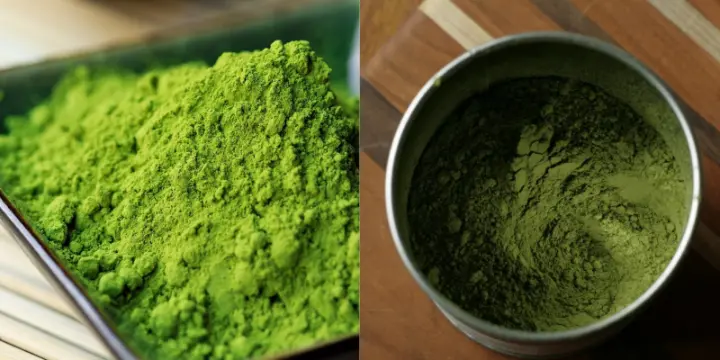
When you’re looking at matcha, the first thing that usually catches your eye is its color. It’s kind of like judging a painting by its vibrancy, you know? A really good matcha should have this intense, bright green color. Think of the deepest emerald you can imagine, or maybe a fresh spring leaf just after a rain shower. That’s the kind of green you’re aiming for.
A Visual Assessment Of Matcha
The Spectrum Of Green: From Emerald To Jade
The shade of green can tell you a lot. High-quality matcha, especially from famous regions like Uji or Yame in Japan, tends to be a deeper, more vivid green. This is because the tea plants are shaded for weeks before harvest, which really boosts their chlorophyll content. Lower grades might look a bit more yellowish or even brownish, which isn’t what we want. It’s like the difference between a perfectly ripe avocado and one that’s starting to go bad.
Absence Of Yellowing Or Brown Tones
Seriously, keep an eye out for any yellow or brown tinges. These colors usually mean the matcha is older, has been exposed to too much light or air, or wasn’t processed carefully. It’s a sign that the freshness and the vibrant flavor are probably gone. Good matcha should look lively, not dull or faded.
The Sheen Of Freshness
Sometimes, if you look closely, you might notice a subtle sheen on really fresh, high-quality matcha powder. It’s not greasy or oily, just a hint of natural luster that suggests it’s been recently ground and is full of life. This visual cue is a strong indicator of high quality. It’s a small detail, but it really speaks to the care taken in its production, often a hallmark of teas from Japan’s renowned tea-growing areas.
Aromatic Nuances: Unveiling The Scent Profile
The aroma of matcha is a subtle yet powerful indicator of its quality. When you open a tin or bag of good matcha, you should be greeted by a scent that’s both fresh and inviting. It’s not just about smelling ‘green’; it’s about a complex bouquet that speaks to the tea’s origin and how it was processed.
The Freshness Of Spring Grass
High-quality matcha often carries a distinct aroma reminiscent of fresh, dewy grass or young leaves just beginning to unfurl in spring. This scent is a sign of freshness and proper cultivation. It’s a clean, vibrant smell that suggests the tea leaves were harvested at their peak and processed quickly to preserve their natural essence. Think of the smell after a spring rain in a well-tended garden – that’s the kind of freshness we’re talking about. This characteristic is particularly noticeable in matcha from renowned regions like Uji and Yame, where generations of farmers have perfected the art of cultivating tea for this specific profile.
Subtle Floral Undertones
Beyond the grassy notes, a truly exceptional matcha might also reveal delicate floral undertones. These aren’t overpowering, but rather a gentle whisper that adds another layer of complexity to the aroma. It could be a hint of something like cherry blossom or a faint, sweet floral note that complements the vegetal character. This subtle sweetness in the aroma often hints at the mellow sweetness you’ll find in the taste. It’s a sign of well-balanced cultivation and careful processing, where the natural sugars and aromatic compounds are retained.
Absence Of Stale Or Musty Odors
This is perhaps the most critical aspect of assessing matcha’s aroma. A good matcha should never smell stale, musty, or like old hay. If you detect any of these off-putting scents, it’s a strong indication that the matcha is old, has been stored improperly, or is of low quality. Stale matcha loses its vibrant aroma and flavor, becoming dull and uninteresting. The absence of these negative smells is as important as the presence of the positive ones. It means the tea has been handled with care from the moment it was harvested to when it reached you.
Texture And Fineness: The Tactile Experience
When you get your hands on good matcha, the first thing you’ll notice is how it feels. It’s not just about the color or the smell; the texture tells a story. High-quality matcha is incredibly fine, almost like powdered sugar or even finer, like talc. This powdery consistency is a hallmark of traditional stone grinding, a slow and careful process that preserves the tea’s delicate compounds. You can feel the difference when you try to sift it; it should pass through the sieve easily, leaving no gritty residue behind. This fineness is what allows matcha to dissolve smoothly and create that beautiful, frothy layer when whisked properly. It’s a tactile confirmation of the care taken in its production, often found in matcha from renowned regions like Uji and Yame.
The Silk-Like Powder
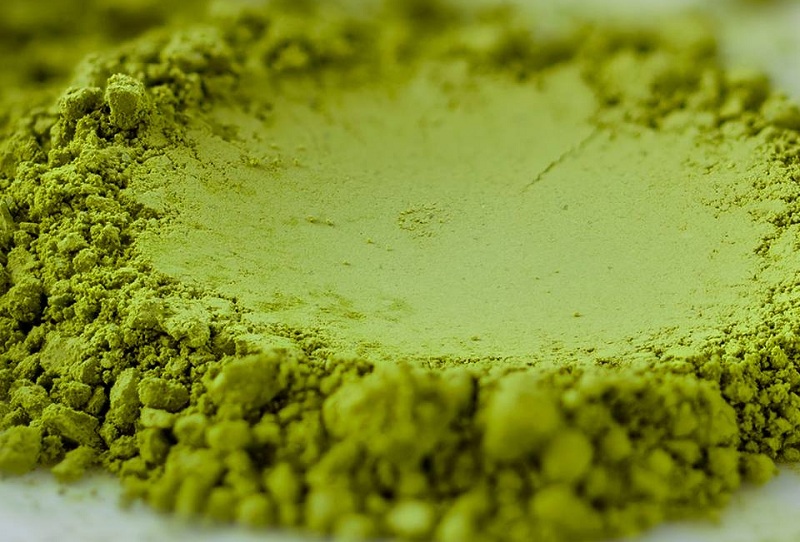
The ideal matcha powder feels incredibly soft and smooth between your fingers. It should have a luxurious, almost silky texture. This is achieved through meticulous stone grinding, a method that has been perfected over centuries in places like Kyoto. The slow rotation of granite stones breaks down the tea leaves into an exceptionally fine powder, far finer than what can be achieved with modern machinery. This fine grind is what allows the matcha to suspend evenly in water, creating a smooth, creamy mouthfeel without any grittiness. It’s this silk-like quality that truly distinguishes premium matcha.
The Silk-Like Powder
Absence Of Coarse Particles
Good matcha should be free of any noticeable coarse particles. If you rub a small amount between your fingers, it should feel uniformly smooth. Any grittiness or the presence of larger particles indicates that the tea was not ground finely enough, or perhaps that the grinding process was too fast, generating heat that could damage the tea. This is why traditional stone grinding, often employed in regions like Yame, is so important. It ensures that only the finest powder makes it into your bowl, free from any imperfections that could detract from the drinking experience.
The Art Of Stone Grinding
Stone grinding is more than just a method; it’s an art form passed down through generations. Traditional stone mills, often made of granite, grind the tea leaves at a very slow pace. This gentle process is key because it prevents the powder from overheating, which can degrade the flavor and color. It takes about an hour to grind just 30-40 grams of matcha this way. This painstaking effort is what results in the incredibly fine, silky powder that is characteristic of high-quality matcha, especially from esteemed regions like Uji. It’s this dedication to traditional craftsmanship that you can feel in every pinch of the powder.
Read more: The Ultimate Guide to Sourcing Organic Matcha Wholesale for Your Business
Flavor Characteristics: The Palate’s Judgment
The Depth Of Umami
When you take a sip of good matcha, the first thing that often hits you is a rich, savory taste. This is called umami, and it’s a really important part of what makes matcha special. Think of it like the savory depth you get from a good broth or aged cheese, but in a tea. High-quality matcha, especially from traditional regions like Uji in Kyoto or Yame in Fukuoka, will have a pronounced umami that feels deep and satisfying. It’s not just a fleeting taste; it lingers in a pleasant way. Lower quality matcha might taste a bit flat or even bitter without this underlying savory note. It’s this umami that gives matcha its full body and makes it feel so substantial on the palate.
Mellow Sweetness And Natural Notes
Beyond the umami, a truly excellent matcha offers a subtle, natural sweetness. This isn’t like adding sugar; it’s an inherent quality of the tea leaves themselves, developed through careful cultivation and processing. You might notice hints of steamed greens, or sometimes even very faint floral or nutty undertones, depending on the specific tea and its origin. For instance, matcha from Yame is often noted for its smooth, mellow sweetness. This sweetness balances the umami and makes the tea enjoyable without any need for additives. It’s a clean, pure sweetness that speaks to the quality of the tea.
The Balance Of Astringency
Matcha does have a slight astringency, which is that drying sensation you might feel on your tongue. In good matcha, this astringency is not harsh or unpleasant. Instead, it’s a gentle counterpoint to the sweetness and umami, adding complexity and preventing the tea from tasting too heavy or cloying. It contributes to a clean finish, making you want to take another sip. If the astringency is too strong or sharp, it often indicates lower quality leaves or improper processing. The goal is a harmonious balance where all the flavors – umami, sweetness, and that mild astringency – work together.
Origin And Craftsmanship: Tracing The Lineage
The story of great matcha is deeply tied to its roots. For centuries, certain regions in Japan have been recognized for producing tea of exceptional quality. Among these, the Uji region in Kyoto and the Yame region in Fukuoka stand out.
The Significance Of Uji And Yame
Uji, near Kyoto, is often called the birthplace of matcha. The climate and soil there have been cultivated for tea for over 800 years. This long history means a deep understanding of how to grow and process tea leaves specifically for matcha. You’ll find a classic profile here, often characterized by a rich umami flavor and a deep, savory taste. It’s a taste that speaks of tradition.
On the other hand, Yame in Fukuoka offers a slightly different, yet equally esteemed, character. Yame is known for its misty mountains and fertile land, which contribute to teas with a naturally mellow sweetness and a smooth, full body. While Uji might offer a more pronounced umami, Yame often presents a beautifully balanced cup with subtle floral notes. Both regions are dedicated to producing tea that honors its origin.
The Role Of The Tea Master
Beyond the land itself, the skill of the tea master is paramount. These individuals dedicate their lives to understanding every nuance of tea cultivation and processing. They are the ones who decide when to shade the tea plants, when to harvest, and how to stone-grind the leaves into the fine powder we know as matcha. Their precision and care are what transform good tea leaves into exceptional matcha.
- Shading: Controlling sunlight exposure in the weeks before harvest is key to developing chlorophyll and amino acids, which give matcha its vibrant color and umami taste.
- Harvesting: Selecting the right leaves at the peak of freshness is critical.
- Processing: From steaming to drying and de-veining, each step is carefully managed.
- Grinding: Stone grinding is a slow, meticulous process that preserves the delicate flavor and aroma of the matcha.
Understanding Grade Designations
Matcha is often categorized into different grades, and while these can vary, they generally reflect the intended use and quality. You might see terms like ‘ceremonial grade’ and ‘premium grade’.
- Ceremonial Grade: Typically the highest quality, intended for traditional preparation with water only. It’s known for its vibrant green color, smooth texture, and complex flavor profile with minimal bitterness.
- Premium Grade: Still very high quality, but often more versatile. It might be slightly more robust in flavor, making it excellent for both traditional preparation and for use in lattes or other beverages where its flavor needs to stand up to other ingredients.
- Culinary Grade: Designed for cooking and baking, where its flavor will be mixed with many other ingredients. It’s usually less vibrant in color and has a stronger, sometimes more bitter, taste.
Understanding these origins and the craftsmanship involved helps appreciate the depth and quality found in authentic Japanese matcha.
Preparation And Performance: How It Brews
The Ease Of Dissolution
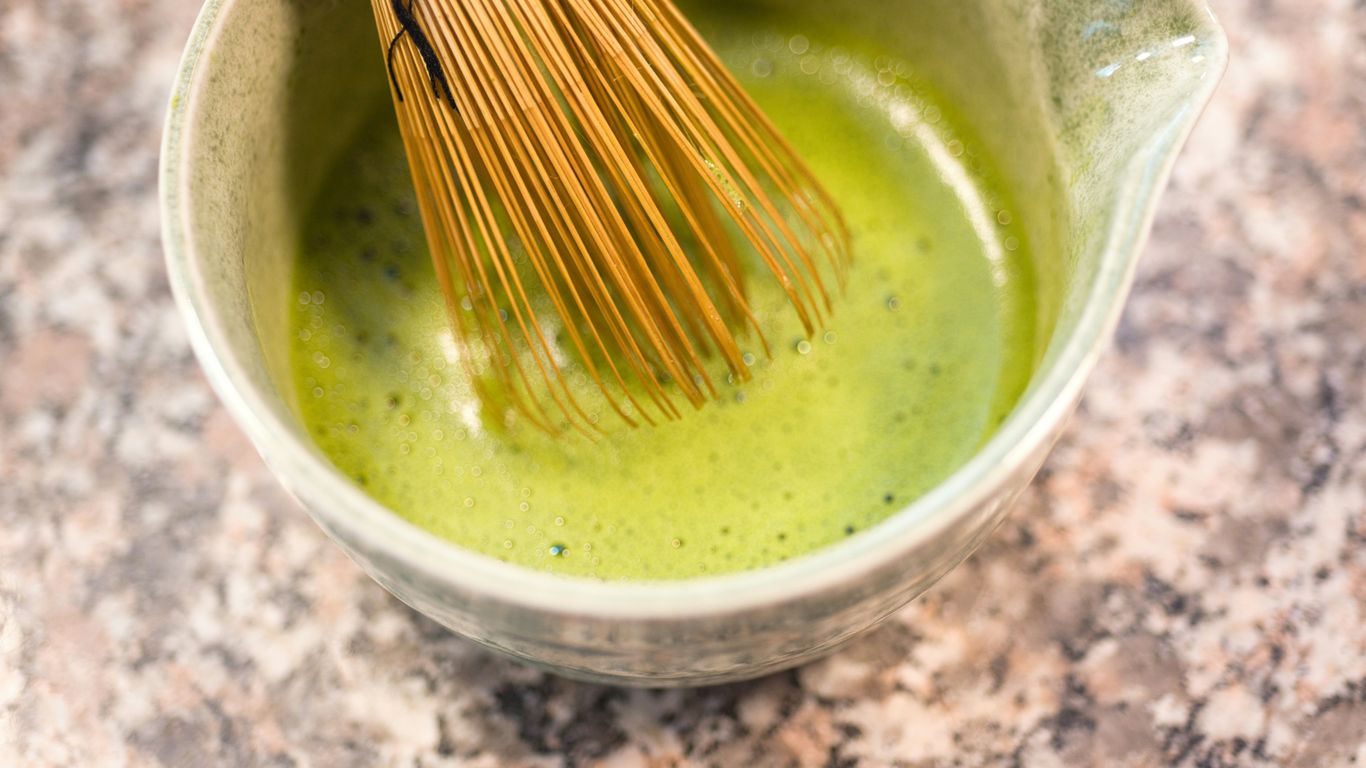
Matcha’s fine, powdery texture is key here. When you whisk good quality matcha, it should dissolve pretty easily. You’ll notice that the powder integrates smoothly into the water, creating a uniform liquid without a lot of effort. If you’re seeing clumps or it feels like you’re fighting to get it to mix, that’s usually a sign the powder isn’t as finely ground as it should be. This fineness is a direct result of the traditional stone-grinding process, a method that has been perfected over centuries in places like Uji and Yame, Japan. It’s this careful milling that allows the matcha to become one with the water, creating that signature smooth consistency.
The Ease Of Dissolution
The Formation Of Froth
When you whisk matcha, especially a higher quality one, you’ll see a lovely froth form on top. This isn’t just for looks; it’s a sign of good aeration and a well-emulsified tea. The tiny bubbles create a delicate foam that sits on the surface, adding to the sensory experience. The quality of the matcha, particularly its freshness and how finely it was ground, plays a big role in how well it froths. Matcha from regions like Yame, known for its meticulous cultivation and processing, tends to produce a more stable and pleasing froth.
Consistency In The Cup
Ultimately, good matcha should be consistent. This means that each time you prepare it, you should get a similar result in terms of color, texture, and flavor. The preparation itself is pretty straightforward, but the quality of the tea leaves and how they were processed makes a huge difference. Matcha that is consistently vibrant green, smooth, and has that characteristic umami flavor is a testament to its origin and the skill of the tea master who prepared it. Think of the dedication that goes into producing tea in places like Uji; that level of care translates directly into the cup you enjoy.
Here’s a general idea of what to aim for:
- Color: A vibrant, almost electric green. Dullness or brownish tones suggest oxidation or lower quality.
- Texture: Smooth and creamy, with a fine froth that dissipates gently.
- Flavor: A balanced profile with umami, a hint of sweetness, and minimal bitterness.
The way matcha behaves during preparation, from how easily it dissolves to the froth it creates, is a direct reflection of its quality and origin. It’s a simple process, but the results speak volumes about the care taken from the tea field to your bowl.
Finding Your Perfect Matcha
So, we’ve walked through the signs of good matcha, from its bright color to its smooth taste. It’s not just about picking up any green powder; it’s about appreciating the care that goes into making it. Think about the vibrant green, the subtle sweetness, and that satisfying umami. When you find a matcha that hits all those notes, you’ve found something special. Keep exploring, keep tasting, and you’ll get better at spotting the quality that makes this tea so unique. Enjoy the journey of discovering your favorite matcha.
Read more: How to Tell If Your Matcha Is Good Quality: A Comprehensive Guide


Quicl access to
You may also be interested in
The Ultimate Guide to Buying Bulk Matcha Tea Powder for Your Business
Buying bulk matcha tea powder for your business might seem a bit daunting at first,...
Oct
Finding the Best Matcha Tea Supplier for Your Business
Finding the right matcha tea supplier is a big deal for any business. It’s not...
Oct
How to Start a Matcha Business: A Step-by-Step Guide
Thinking about starting your own matcha business? It sounds exciting, right? Matcha is super popular,...
Oct
Is Matcha Only Grown in Japan? Exploring Global Matcha Cultivation
You might think that matcha, with its deep green color and rich history, is something...
Oct
Can You Be Allergic to Matcha? Understanding the Risks and Symptoms
Matcha, that vibrant green tea powder, has become super popular. People love it in lattes,...
Oct
Can You Turn Green Tea Into Matcha? The Process Explained
So, you’ve got some green tea lying around and you’re wondering, ‘Can you turn green...