

Industry News, News
Discover Where Matcha is Grown in Japan: A Deep Dive into Cultivation Regions
Nov
So, you’re curious about where matcha comes from, huh? It’s not just grown anywhere, you know. Japan has some really special places for it. We’re going to look at a few of these regions, talk about what makes their tea unique, and why it matters. If you’ve ever wondered, ‘Where is matcha grown in Japan?’, this is for you.
Key Takeaways
- Uji, Kyoto, is historically where matcha cultivation began and is known for its unique flavor.
- Fukuoka, especially the Yame region, is a significant area for producing high-quality matcha.
- Shizuoka is a large tea-producing region, important for commercial matcha production.
- Kagoshima is a rapidly growing area for tea, balancing large-scale farming with quality.
- The specific location, climate, and tea plant type all affect the final taste of matcha.
The Revered Terroir of Uji, Kyoto
The Historical Cradle of Matcha
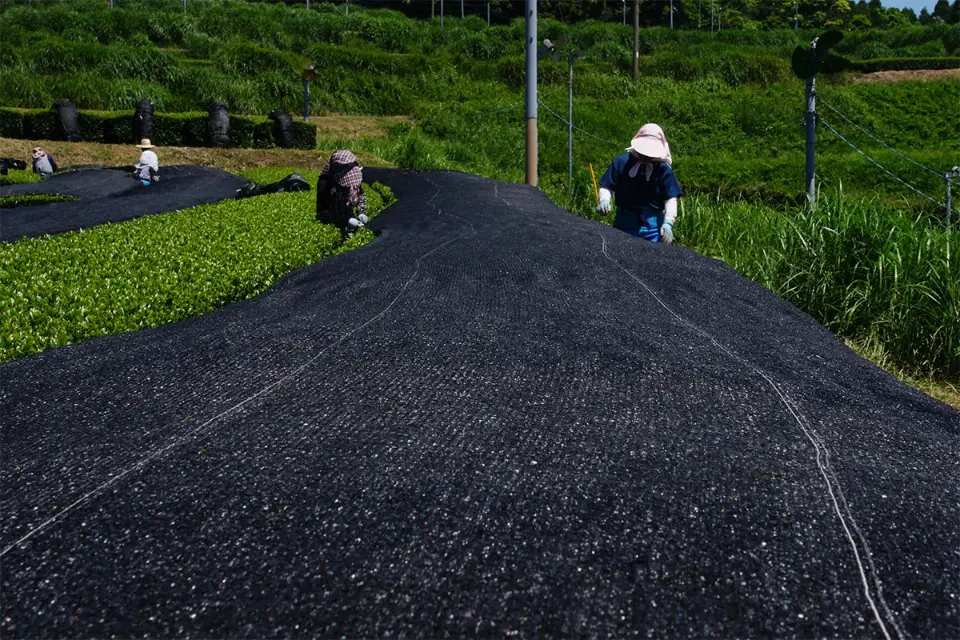
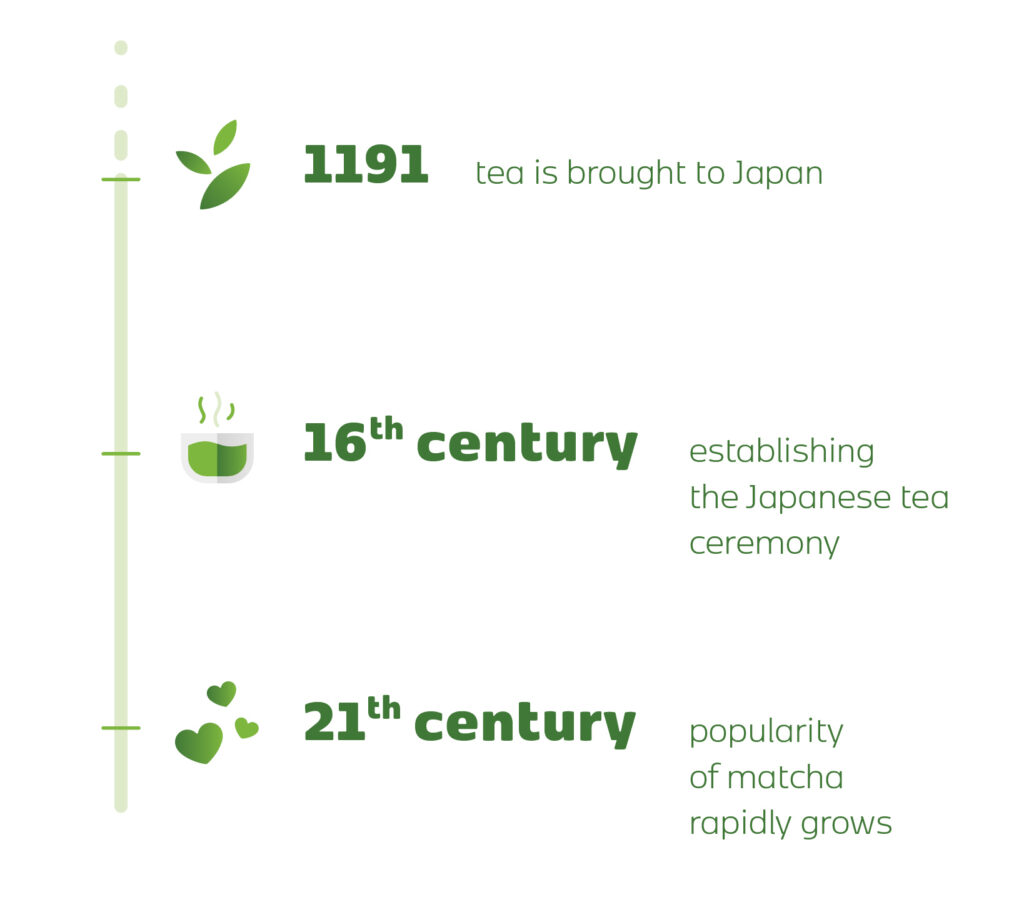
Uji, a city nestled in the Kyoto Prefecture, holds the distinction of being the birthplace of matcha in Japan. For over 800 years, this region has been cultivating tea, laying the groundwork for what would become a cornerstone of Japanese culture. The very first tea seeds were brought to Uji from China, and the unique methods of cultivation and processing were developed here. It was in Uji that the practice of shading tea plants before harvest, a technique crucial for producing high-quality matcha, was perfected. This historical significance means that Uji is not just a place where matcha is grown, but where its identity was forged.
Historical Cradle of Matcha
Uji’s Distinctive Flavor Profile
The matcha from Uji is celebrated for its particular taste. It’s known for a deep, savory umami flavor that has a rich, smooth quality. You might also notice a subtle sweetness and a clean finish. This profile comes from the specific environmental conditions in Uji, including the climate, soil, and the traditional cultivation methods passed down through generations. The careful shading of the tea bushes for an extended period before harvest increases the chlorophyll and L-theanine content, contributing to the vibrant green color and the complex, mellow taste that Uji matcha is famous for.
The Legacy of Shimizu Ippoen
Within Uji’s rich tea history, the Shimizu Ippoen tea house stands as a testament to enduring quality and tradition. Established long ago, this esteemed establishment has dedicated itself to the art of tea cultivation and blending. They have played a significant role in preserving and evolving the Uji matcha tradition. Their commitment to sourcing the finest leaves and employing meticulous processing techniques has earned them a respected place in the tea world. For centuries, they have been instrumental in shaping the Uji matcha experience, ensuring that its authentic character and superior quality continue to be appreciated.
Fukuoka’s Flourishing Matcha Landscapes
Moving south from the historical heartlands, we find Fukuoka Prefecture, a region that has steadily grown in prominence for its matcha production. While perhaps not as ancient as Uji, Fukuoka, particularly the Yame region, has carved out a significant niche for itself, celebrated for producing teas with a distinctively sweet and mellow character.
The Yame Region’s Emerald Fields
The Yame region, nestled in the southern part of Fukuoka, is blessed with ideal conditions for tea cultivation. Misty mornings and gentle slopes create a perfect environment for growing high-quality tea leaves. This area is particularly known for its shaded teas, including gyokuro, and increasingly, for its exceptional matcha. The dedication to traditional cultivation methods here, combined with modern agricultural practices, allows for a consistent output of vibrant, flavorful matcha.
Master Naoya Kawakami’s Influence
A key figure in Fukuoka’s rise is Tea Master Naoya Kawakami. With generations of experience in tea farming in Yame, Master Kawakami embodies the pursuit of perfection. His philosophy centers on the belief that true tranquility comes from a perfectly crafted cup of tea, free from imperfections. This exacting standard is reflected in the matcha he produces, which is known for its refined taste and smooth finish. His influence has helped elevate the perception of Yame matcha, showcasing its potential for producing teas that rival those from more established regions.
Hana Midori: A Symphony of Flavor
One notable example of Fukuoka’s matcha is “Hana Midori” (花緑), meaning “Flower Green.” This premium-grade matcha, often crafted by Master Kawakami himself, is a testament to the region’s capabilities. It offers a beautifully balanced flavor profile, characterized by a creamy body, a gentle sweetness, and subtle floral notes, all leading to a clean, refreshing finish.
Here’s a look at what makes Hana Midori stand out:
- Origin: 100% Yame, Fukuoka, Japan.
- Flavor Profile: Creamy body, mellow sweetness, subtle floral notes, clean finish.
- Color: Vibrant green.
- Best Use: Excellent for daily drinking (usucha) and premium matcha lattes.
This focus on quality and nuanced flavor demonstrates why Fukuoka, and specifically Yame, is a region to watch in the world of Japanese matcha.
Shizuoka’s Expansive Tea Cultivation
Shizuoka Prefecture stands as a titan in Japan’s tea production, boasting the largest cultivation area in the country. Its diverse geography, ranging from coastal plains to rolling mountain slopes, allows for a wide variety of tea cultivation and processing methods. This vastness means Shizuoka is often the first to offer new season teas, with harvests beginning in the lower-lying areas and gradually moving to the cooler, higher elevations.
From Flatlands to Mountain Slopes
The tea fields of Shizuoka stretch across varied terrains. The flatlands, often found near the coast, are well-suited for large-scale operations and tend to produce teas that undergo a deeper steaming process. As you move inland and upward into the mountains, the cooler temperatures and different soil compositions create conditions for teas with a more delicate character. This geographical spread means Shizuoka’s tea season unfolds in stages, offering a progression of flavors throughout the spring. For instance, in 2025, Shizuoka Prefecture’s first harvest saw a notable decrease in production volume, highlighting the dynamic nature of tea cultivation in the region.
The Art of Steaming and Firing
Processing in Shizuoka showcases a spectrum of techniques. While deep steaming is common for teas from the flatlands, aiming for a robust flavor, the mountain-grown teas often receive a lighter steaming. This is followed by the ‘hi-ire’ or firing process, which dries the leaves and develops their aroma. The intensity of this firing can significantly alter the final taste. A stronger firing might be used for teas intended for blending or for those that need a longer shelf life, while a gentler approach preserves the fresh, vibrant notes characteristic of early spring harvests.
A Region of Commercial Significance
Shizuoka’s sheer scale of production makes it a cornerstone of the Japanese tea market. It’s a region where efficiency and volume are often key, supplying a significant portion of the tea consumed both domestically and internationally. While regions like Uji and Yame are celebrated for their historical depth and nuanced, often artisanal, matcha, Shizuoka plays a vital role in making tea widely accessible. Its output ensures that the broader appreciation of Japanese green tea continues to grow, even as the pursuit of unique terroir-driven flavors continues in other prefectures.
The varied landscapes of Shizuoka allow for a broad range of tea styles, from robust, deeply steamed teas suited for everyday enjoyment to more delicate varieties from higher altitudes. This diversity is a testament to the region’s significant contribution to Japan’s overall tea output.
Kagoshima’s Rapid Rise in Tea Production
Moving south, we arrive at Kagoshima, a region that has seen remarkable growth in its tea production. Much of Kagoshima’s tea cultivation takes place on flat, lower-lying land, which is quite suitable for large-scale farming operations. This geographical advantage allows for efficient production, and as a result, Kagoshima is often the first major region to bring its new season tea, or shincha, to market, typically in early to mid-April.
Kagoshima’s Rapid Rise in Tea Production
Commercial Agriculture and Early Harvests
The landscape of Kagoshima is characterized by expansive tea fields, geared towards commercial output. This focus means that teas from this region are among the first to be harvested each spring. While this early arrival is exciting for tea enthusiasts eager for the freshest flavors, it’s worth noting that the processing methods can sometimes differ from what one might find in more traditional areas like Uji or Yame. Kagoshima teas are frequently steamed more intensely, and the hi-ire (firing process) can be stronger. This approach can sometimes impact the delicate nuances that make shincha so special. However, some producers are adapting, opting for shorter steaming times and gentler firing for specific shincha releases to better preserve those fresh, spring aromas.
Balancing Tradition and Scale
Kagoshima’s rapid expansion presents an interesting dynamic. The region is adept at producing tea on a large scale, meeting significant market demand. This efficiency is a testament to modern agricultural practices. Yet, the pursuit of quality, especially for delicate teas like matcha, requires a careful balance. While Kagoshima offers a substantial volume of tea, the deep-rooted traditions and meticulous attention to detail found in places like Uji, Kyoto, and Yame, Fukuoka, often result in a distinct character and complexity that comes from centuries of refined cultivation and processing. These established regions have a legacy of focusing on specific flavor profiles, a dedication that shapes every leaf.
A Growing Force in Japanese Tea
Kagoshima’s influence in the Japanese tea market continues to grow. Its ability to produce tea efficiently and bring the first shincha of the season to consumers makes it a significant player. As the region evolves, we see a blend of commercial success and an increasing awareness of the subtle differences in processing that can define a tea’s character. It’s a region to watch as it continues to find its unique voice within Japan’s diverse tea-growing landscape.
The drive for early harvests and large-scale production in regions like Kagoshima highlights the economic side of tea cultivation. While this ensures availability, it’s the regions with a long history of focused, artisanal production, such as Uji and Yame, that often preserve the most intricate and sought-after flavor profiles, especially for matcha.
The Nuances of Japanese Tea Terroir
The Impact of Altitude and Climate
Japanese tea cultivation is deeply influenced by its environment. Think about it: the same tea plant, grown in different places, can taste remarkably different. Altitude plays a big role. Higher elevations often mean cooler temperatures and more mist, which can slow down the tea plant’s growth. This slower growth allows the leaves to develop more complex flavors and a richer sweetness. Lower, warmer areas tend to produce faster-growing tea, which can be great for commercial scale but might result in a less nuanced flavor profile. The climate, with its distinct seasons, also shapes the tea. Rainy seasons bring moisture, while sunny periods encourage growth. These subtle shifts in weather patterns, year after year, contribute to the unique character of tea from specific regions. It’s why places like Uji and Yame, with their carefully managed environments, are so revered for their authentic quality.
Cultivar Specificity and Flavor
Beyond the land itself, the specific type of tea plant, known as a cultivar, is a major factor in flavor. Japan has developed many unique cultivars, each with its own genetic blueprint for taste and aroma. For example, the Saemidori cultivar is known for its bright green color and rich umami, often used in high-quality matcha. Other cultivars might be bred for sweetness, or for a more robust, grassy note. When you taste matcha from different regions, you’re not just tasting the soil and climate; you’re tasting the result of careful selection and cultivation of specific tea plant varieties. This attention to detail in choosing the right cultivar for the right environment is what allows for the incredible diversity in Japanese teas.
The Essence of ‘Shincha’
‘Shincha’ literally means ‘new tea,’ and it refers to the very first harvest of the year, typically in spring. This is a special time for tea lovers. Because these leaves are the first to emerge after winter, they are often tender and packed with fresh flavors. The aroma of shincha can be quite distinct, sometimes described as having notes of fresh greens or even hints of cucumber and watermelon, thanks to specific aromatic compounds. However, this bright, fresh aroma isn’t always ideal for all types of tea. For matcha and gyokuro, which are prized for their deep, mellow umami, the intense freshness of shincha might actually detract from the desired flavor profile. That’s why, traditionally, these shaded teas are aged a bit longer to allow those bright notes to mellow into a richer, more complex taste. The concept of shincha highlights how the timing of the harvest, influenced by regional climate and the tea’s intended use, significantly impacts its final character. It’s a beautiful reminder of the connection between nature’s cycles and the tea in your cup.
The Enduring Spirit of Japanese Matcha
So, we’ve journeyed through the green hills and misty mountains where Japan’s prized matcha takes root. From the historic fields of Uji in Kyoto, known for its deep umami, to the productive lands of Yame in Fukuoka, each region adds its own character to this special tea. It’s more than just a drink; it’s a connection to the land, the seasons, and the dedicated people who cultivate it. Understanding where matcha comes from helps us appreciate the care and tradition in every vibrant green sip. It’s a reminder that good things often come from patient work and a respect for nature’s rhythm.
Read more: What to Look For When Buying Matcha: A Comprehensive Guide


Quicl access to
You may also be interested in
Is Matcha Cheaper in Japan? Exploring the Cost of Authentic Japanese Matcha
So, you’re wondering if buying matcha in Japan actually saves you money. It’s a pretty...
Oct
The Ultimate Guide to Sourcing Organic Matcha Wholesale for Your Business
If you’re looking to bring high-quality matcha into your business, understanding the world of organic...
Nov
Is Matcha Detoxifying? Exploring the Health Benefits of Green Tea
Lots of people are talking about matcha these days, and you might have heard it’s...
Nov
Can You Make Matcha From Green Tea? The Simple Answer and How-To Guide
So, you’re curious about matcha and wondering if it’s just a fancy name for green...
Nov
Is Matcha Just Ground Green Tea? Unpacking the Differences
Lots of people wonder if matcha is just regular green tea, but ground up. It’s...
Nov
Mastering the Art: How to Correctly Make Matcha for the Perfect Brew
So, you want to make matcha? It’s not as hard as it looks, honestly. Lots...
Nov