

Industry News, News
Unveiling the Secrets: A Deep Dive into How Matcha is Produced
Nov
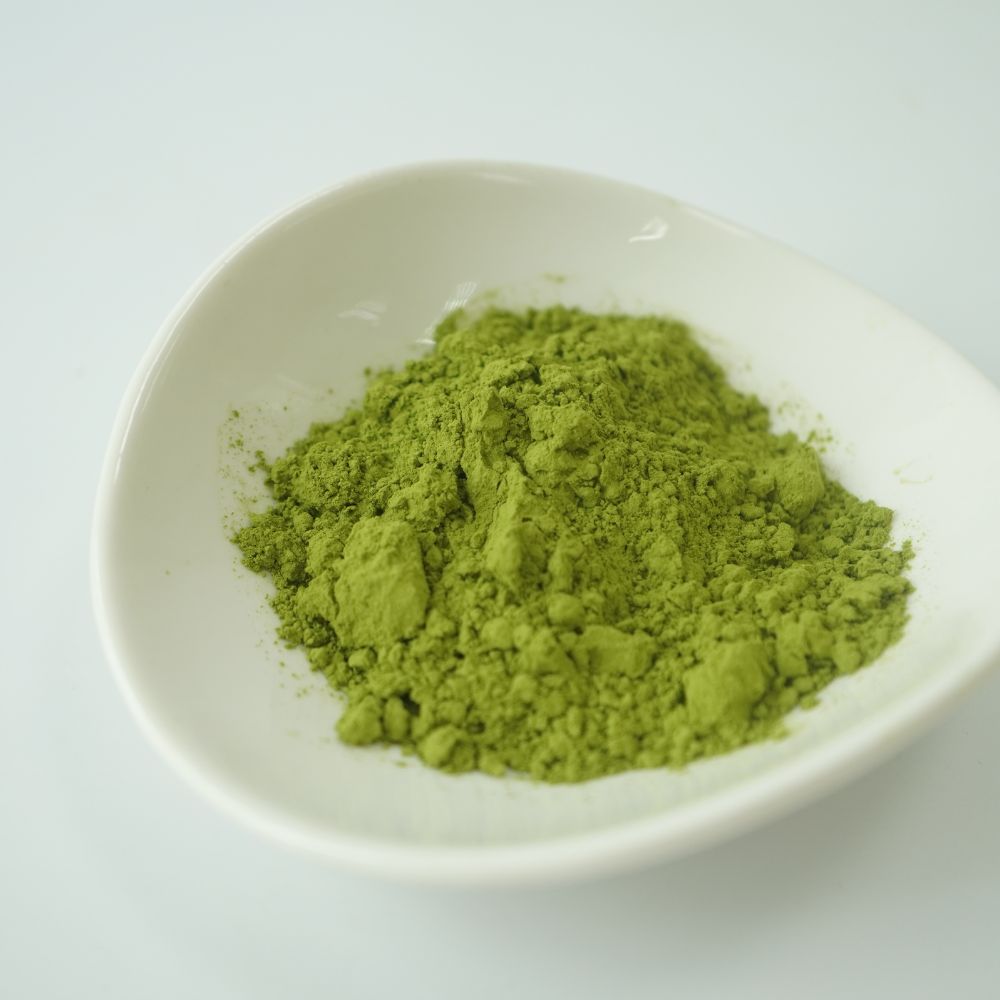
Ever wondered how that vibrant green powder, matcha, gets from the tea field to your cup? It’s a pretty involved process, honestly. It’s not just about picking leaves and grinding them up. There’s a lot of care and tradition that goes into making sure you get that good stuff. We’re going to break down exactly how matcha is produced, from the special way the plants are grown to the final grinding.
Key Takeaways
- Matcha plants are grown under shade for about 20-30 days before harvest, which boosts their chlorophyll and nutrient content.
- The leaves are carefully steamed right after picking to stop oxidation and keep that bright green color.
- After steaming, the leaves are de-stemmed and de-veined, leaving only the pure leaf flesh.
- The high-quality leaf flesh is then slowly ground into a fine powder using stone mills.
- Different grades of matcha exist, from ceremonial for pure enjoyment to café grade for mixing into drinks.
The Genesis Of Matcha: From Verdant Fields To Powdered Gold
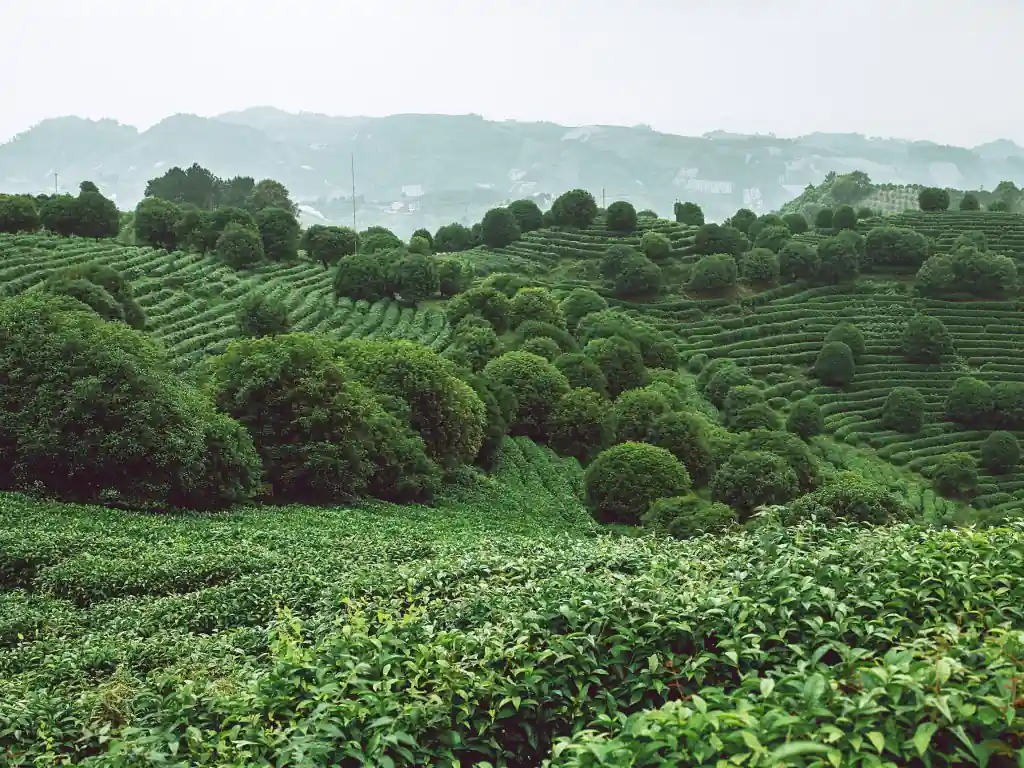
Matcha’s journey from a simple tea leaf to the vibrant, powdered gold we know and love is a story steeped in tradition and meticulous care. It all begins in the fields, where the very essence of the tea is nurtured long before harvest. The unique cultivation methods are what set matcha apart, transforming ordinary tea plants into something truly special.
The Genesis Of Matcha: From Verdant Fields To Powdered Gold
Cultivation Under Shade: The Art Of Chlorophyll Enrichment
For about three to four weeks before the harvest, the tea plants destined for matcha are covered. This isn’t just any covering; it’s a deliberate act of shading, often using traditional structures of bamboo and straw, or more modern netting. This process is called oishita in Japanese. By blocking out direct sunlight, the plants are forced to work harder to photosynthesize. This increased effort leads to a significant boost in chlorophyll production, giving the leaves their characteristic deep green color. It also causes the leaves to develop more L-theanine, an amino acid responsible for matcha’s unique umami flavor and its calming, focus-enhancing effects. This shading is the single most important step in developing matcha’s signature qualities.
The Terroir’s Touch: Honoring Ancient Soils And Misty Mountains
Just like fine wine, the origin of matcha plays a huge role in its final character. The specific climate, soil composition, and elevation of the growing region all contribute to the tea’s flavor profile. Regions like Uji in Kyoto, often considered the birthplace of matcha, and Yame in Fukuoka, are celebrated for their ideal growing conditions. The misty mountains and ancient soils in these areas provide the perfect environment for tea bushes to thrive, developing complex flavors and aromas that are hard to replicate elsewhere. It’s this connection to the land, this terroir, that gives authentic Japanese matcha its depth and soul.
Harvesting The Essence: Selecting Leaves At Their Peak
The harvest is a critical moment. Only the youngest, most tender leaves are selected for high-quality matcha. This is typically done by hand, a labor-intensive process that ensures only the best material makes it to the next stage. The timing of the harvest is also crucial; leaves are picked when they are at their peak, usually in the spring. This careful selection process is fundamental to achieving the smooth texture and rich flavor that defines exceptional matcha. The dedication to selecting the finest leaves is a hallmark of traditional Japanese tea farming. The finest leaf flesh is what makes all the difference.
Transforming Leaves: The Meticulous Craft Of Matcha Production
Once the tea leaves have been carefully plucked, the real work of turning them into matcha begins. This isn’t a quick process; it’s a series of deliberate steps designed to preserve the delicate qualities of the tea. Think of it like preparing a fine ingredient for a gourmet meal – every action matters.
Steaming To Preserve: Halting Oxidation For Vibrant Green
The very first step after harvesting is steaming. This might sound simple, but it’s incredibly important. Within moments of picking, the leaves are exposed to steam. This quick burst of heat does something crucial: it stops the leaves from oxidizing. Oxidation is what turns regular green tea leaves brown and changes their flavor. By steaming, we lock in that bright, vibrant green color and keep the fresh, grassy notes intact. It’s a race against time to preserve that fresh-picked quality.
The Dance Of The Rollers: Gentle Shaping For Purity
After steaming, the leaves are then gently rolled. This isn’t about crushing them; it’s a careful process to break down the cell walls just enough. This helps to release some of the moisture and prepares the leaves for the next stages. The rolling is done with specialized machines that are designed to be gentle, ensuring the integrity of the leaf is maintained. It’s a subtle manipulation that sets the stage for the final powder.
De-stemming And De-veining: Isolating The Finest Leaf Flesh
This is where the true refinement happens. The rolled leaves go through a process to remove the stems and veins. What remains is the pure leaf flesh, known as ‘tencha’. This is the part that will eventually become matcha. Removing the stems and veins is vital because they contain less flavor and can make the final powder bitter or less smooth. It’s a meticulous process that ensures only the best part of the leaf makes it to the final grinding stage. This focus on purity is what you can taste in matcha from regions like Uji and Yame, where tradition dictates this level of care.
The transformation from a fresh leaf to the fine powder we know as matcha is a testament to patience and precision. Each step, from the initial steaming to the final separation of leaf from stem, is designed to capture and concentrate the very essence of the tea plant.
The Heart Of Matcha: Stone Grinding And The Pursuit Of Perfection
The Patience Of Stone: Slow Grinding For Microscopic Finesse
The journey from a vibrant green leaf to the fine powder we know as matcha is a long one, and the grinding stage is where the magic truly solidifies. This isn’t a quick process; it’s a deliberate, slow dance with stone. Traditional matcha is ground using granite stone mills, often called ‘ishiusu’. These mills are designed with two stones, one stationary and one that rotates very slowly. The dried tea leaves are fed into a small opening at the top, and as the stones turn, they gently grind the leaves into an incredibly fine powder.
The speed of these mills is key – typically only about 30-40 rotations per minute. This slow pace is crucial because it prevents the friction from generating too much heat. Heat is the enemy of matcha; it can degrade the delicate flavors, diminish the vibrant green color, and even affect the nutritional content. The goal is to achieve a powder so fine that it feels like silk between your fingers, with particles so small they can suspend in water rather than clump. This level of fineness is what allows matcha to be whisked into a smooth, frothy beverage without any grittiness.
Masterful Blending: Harmonizing Flavors For A Refined Cup
Once the leaves are ground, the art of blending begins. This is where different batches of matcha, often from the same harvest or even different harvests from specific regions like Uji or Yame, are combined. Think of it like a perfumer creating a signature scent or a chef balancing spices for a complex dish. The goal is to create a consistent flavor profile that meets a specific standard, whether it’s for ceremonial use or everyday enjoyment. Blending can adjust the balance of umami, sweetness, and astringency, ensuring that each cup offers a harmonious and pleasing experience. It’s a subtle art, requiring a deep understanding of how different tea characteristics interact.
The Kawakami Philosophy: Precision As A Form Of Respect
Master Naoya Kawakami, a respected tea master from Yame, embodies a philosophy where precision in production is a profound act of respect. He believes that the care taken at every step, from cultivation to the final grinding, is a direct reflection of respect for the drinker. This meticulous attention to detail isn’t just about technical skill; it’s about honoring the tea itself and the moment of peace it’s meant to provide. For Master Kawakami, anything less than perfect is a distraction from the serene well-being that authentic matcha offers. This dedication to exact standards, particularly evident in the careful stone grinding and blending processes, is what distinguishes truly exceptional matcha, like that found in the historic tea regions of Japan.
Distinguishing Grades: Understanding The Nuances Of Matcha Quality
Matcha isn’t just one thing; it comes in different grades, and knowing them helps you pick the right one for what you want to do. It’s a bit like choosing paint – you wouldn’t use house paint for a detailed miniature, right? The same idea applies to matcha. The way it’s grown, harvested, and ground all plays a part in its final quality and how it tastes.
Ceremonial Grade: The Pinnacle Of Purity And Tradition
This is the top tier, the kind you’d see used in a traditional Japanese tea ceremony. It’s made from the youngest, most tender tea leaves, picked early in the season. The color is a bright, vibrant green, and the flavor is smooth, with a deep umami taste and a subtle sweetness. It has almost no bitterness. This grade is meant to be enjoyed on its own, whisked with just hot water. It’s a pure expression of the tea leaf.
Ceremonial Grade
Premium Grade: The Versatile Heart Of Daily Enjoyment
Premium grade matcha is a step down from ceremonial, but still very high quality. It’s made from slightly older leaves, or perhaps from a later harvest. It’s still got that lovely green color and a good amount of umami, but you might notice a bit more body and a slightly more noticeable, though still pleasant, flavor. This grade is fantastic for everyday drinking, whether you’re having it as a thin tea (usucha) or using it in a latte. It holds up well with milk and sweeteners, offering a rich matcha flavor without being overpowering. Many find this grade to be the perfect balance for daily enjoyment, offering a taste of authentic Japanese tea from regions like Uji or Yame without the very highest price point.
Café Grade: Robust Flavor For Modern Creations
Café grade matcha is designed for drinks and culinary uses where the matcha flavor needs to stand out. It’s often made from older leaves or a later harvest, and might have a more pronounced, sometimes slightly more bitter, flavor profile. This isn’t a bad thing; it means the matcha taste won’t get lost when mixed with milk, sugar, or other ingredients. The color is still green, but perhaps not as intensely vibrant as the higher grades. It’s a practical choice for lattes, smoothies, baking, and desserts, providing a good matcha punch at a more accessible price. While it might not be ideal for a quiet moment of contemplation with just water, it’s perfect for bringing a bold matcha character to your favorite recipes.
Regional Legacies: The Distinctive Character Of Japanese Matcha
Japan is the undisputed home of matcha, and within its borders, certain regions have cultivated unique styles and flavors that are celebrated worldwide. Each area, with its own climate and traditions, contributes to the diverse tapestry of matcha.
Uji, Kyoto: The Historical Birthplace And Its Classic Profile
Uji, a small city in Kyoto Prefecture, holds the distinction of being the historical cradle of matcha. For over a thousand years, this region has been dedicated to the art of tea cultivation and production. The matcha from Uji is often characterized by its classic profile: a deep, savory umami flavor, a smooth, mellow body, and a vibrant, dark emerald hue. It’s the kind of matcha that embodies tradition and refinement, offering a taste that has been perfected over centuries. This is the benchmark against which many other matchas are measured.
Yame, Fukuoka: Celebrated For Richness And Sweetness
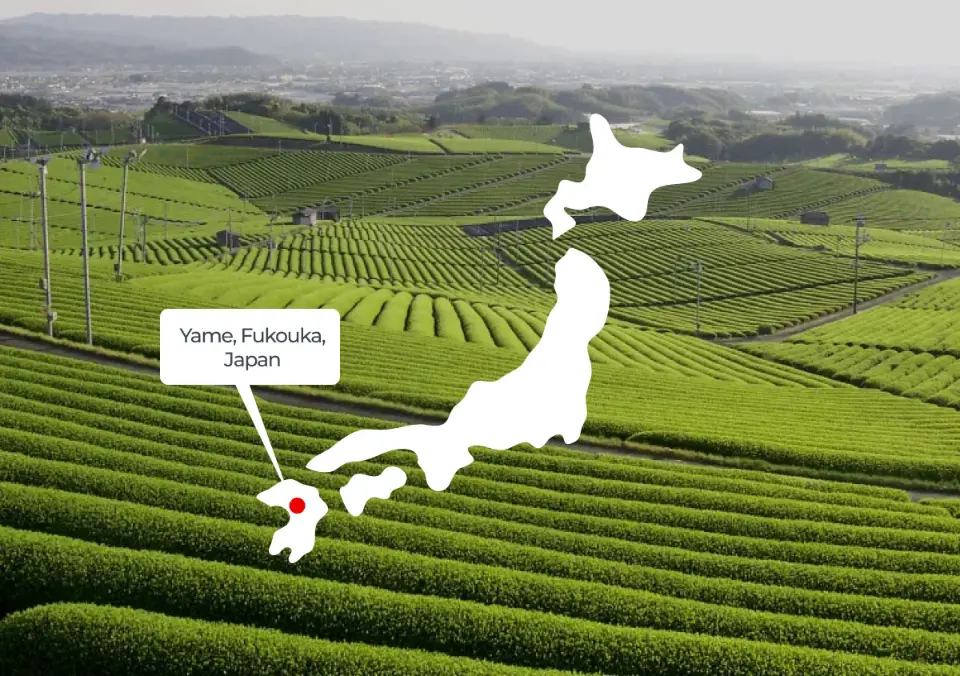
Moving southwest to Fukuoka Prefecture, the Yame region is renowned for producing matcha with a distinct richness and a pleasant, natural sweetness. The unique geography, often characterized by misty mountains, contributes to tea leaves that develop a complex flavor profile. Yame matcha often presents a beautifully balanced cup, with a creamy body and subtle sweet notes, making it a favorite for daily enjoyment and for those who appreciate a slightly softer, more approachable taste compared to the more intense profiles of some other regions.
Yame, Fukuoka: Celebrated For Richness And Sweetness
Shizuoka’s Tenryu: A Source Of Punchy Umami
Shizuoka Prefecture, a major tea-producing area in Japan, also contributes to the world of matcha. The Tenryu region, specifically, is known for producing matcha that offers a more assertive, punchy umami. This style is often celebrated for its bright, refreshing character, which holds up exceptionally well in modern applications like lattes and baked goods. It provides a robust flavor that can cut through milk and other ingredients, making it a versatile choice for culinary creations and beverages where a strong matcha presence is desired.
The Art Of Presentation: Packaging And Preserving Matcha’s Potency
Once matcha has been meticulously stone-ground into its vibrant, fine powder, the journey isn’t quite over. How it’s stored and presented plays a big role in keeping that precious quality intact. Think of it like preserving a delicate artwork; the right frame and environment make all the difference.
Airtight Canisters: Safeguarding Against Light And Air
Matcha is sensitive. Exposure to light and air can quickly degrade its color, flavor, and nutritional value. This is why airtight containers are so important. Materials like tin-plated steel, often with a matte lacquer finish, are excellent choices. They create a barrier, keeping out the elements that can harm the tea. For those who appreciate the traditional craftsmanship, handmade tea canisters from makers like Kotodo offer both protection and aesthetic appeal, with seamless construction that ensures a tight seal.
The Importance Of Freshness: Optimal Tasting Windows
Like many fine foods, matcha has a peak freshness period. While it can be stored for a year unopened, its vibrant character is best enjoyed within a shorter timeframe after opening. For instance, some high-quality matcha, like certain competition sencha blends, are recommended for optimal tasting within six weeks of opening. This emphasizes the need for proper storage and mindful consumption to experience the tea at its best. This is particularly true for matcha from regions like Uji, Kyoto, where the nuanced flavors are a hallmark of its quality.
Sifting For Smoothness: Enhancing The Drinking Experience
Before brewing, sifting matcha is a common practice. This step removes any small clumps that might have formed during storage, resulting in a smoother, more velvety texture when whisked. Pre-sifting an entire bag and storing it in a suitable canister can streamline the preparation process for daily enjoyment. This attention to detail ensures that every cup offers the pure, unadulterated essence of the tea, a practice that aligns with the precision valued in traditional Japanese tea preparation, whether from the historic fields of Uji or the renowned mountains of Yame.
The Enduring Art of Matcha
So, we’ve walked through the careful steps that bring matcha from the tea fields to your cup. It’s a process that really shows how much work goes into making this special green powder. From how the tea plants are grown and shaded, to the precise way the leaves are picked, steamed, and ground, each part matters. It’s not just about making a drink; it’s about honoring a tradition that’s been around for ages. Understanding this journey helps us appreciate the vibrant color and unique taste of matcha even more. It’s a reminder that good things often take time and a lot of care.
Read more: Who Should Not Drink Matcha Tea? Potential Side Effects and Precautions


Quicl access to
You may also be interested in
The Best Matcha Bulk Powders for Your Business
Finding the right matcha bulk powders for your business can feel like a quest. We’ve...
Nov
Sourcing Premium Organic Matcha Green Tea: A Wholesale Guide
Getting the right organic matcha green tea wholesale is key for any business. We’ve put...
Nov
Finding the Best Matcha Tea Supplier for Your Business
Finding the right matcha tea supplier is a big deal for any business. It’s not...
Oct
Our Top Ten Tokyo Tea Destinations PD
Every year, around April and May, the Japanese tea world is thrust into “Shincha Season”....
Aug
Why is Your Matcha Not Dissolving? Troubleshooting Common Issues
So, you’ve got your matcha, you’re ready to make a nice cup, but then… it...
Nov
Discover Premium Matcha Wholesale Japan: Your Source for Authentic Japanese Green Tea
We’re excited to share our passion for authentic Japanese matcha with you. If you’re looking...
Oct