

Industry News, News
Discover the Best Bulk Matcha Powder for Your Daily Rituals
Oct
Looking for the best bulk matcha powder to keep your daily tea ritual going strong? Whether you’re a business owner stocking your shelves or just a dedicated matcha lover who goes through it quickly, finding the right powder is key. It’s not just about quantity; it’s about quality, flavor, and how it fits into your life. We’ve looked into some great options that might just be what you need.
Key Takeaways
- Hoshi Matcha offers a robust flavor perfect for lattes and baked goods, with a vibrant green color.
- Ren Matcha provides a deep, savory umami and rich body, representing a classic Kyoto tea experience.
- Hana Midori Matcha is a premium grade with a balanced, mellow sweetness and subtle floral notes.
- Premium Café Grade Matcha is designed for versatility in drinks and culinary uses.
- Organic Matcha options are available for those seeking a pure, naturally grown tea.
Hoshi Matcha
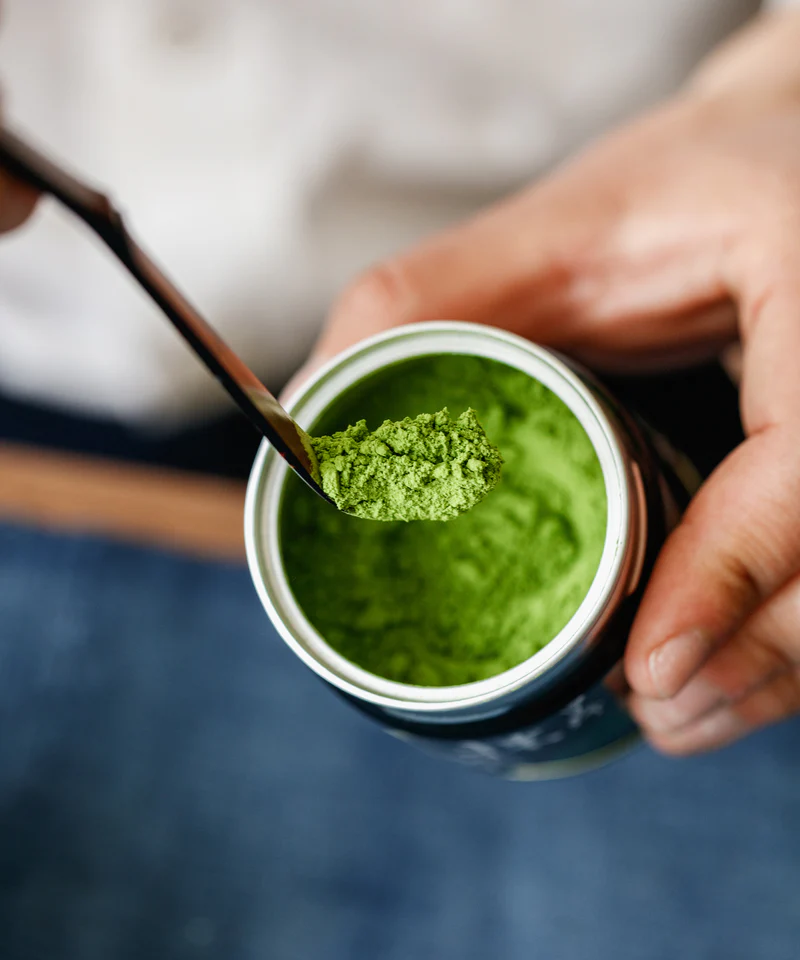
Hoshi Matcha, meaning “star” in Japanese, is a premium café grade matcha that truly shines. It’s crafted by Tea Master Naoya Kawakami, who hails from the renowned Yame region of Fukuoka, Japan. This area is celebrated for its exceptional tea cultivation, a tradition that deeply influences the quality of Hoshi Matcha.
Hoshi Matcha
This particular matcha is designed with applications like lattes and other mixed beverages in mind. It has a more robust flavor profile than ceremonial grades, which allows its distinct green tea notes to come through even when blended with milk or sweeteners. The color is also a standout feature, maintaining a vivid green that makes any drink visually appealing. Its fine texture ensures it mixes smoothly, creating a pleasant, velvety texture without any clumps.
Hoshi Matcha offers a fantastic balance of quality and value, making it a professional’s choice for consistent, delicious matcha creations.
Here’s a quick look at its characteristics:
- Flavor: Bold yet smooth green tea notes, with a mild, pleasant astringency.
- Color: Vivid and appealing green hue.
- Texture: Finely ground for excellent mixability.
- Origin: 100% Yame, Fukuoka, Japan.
When you choose Hoshi Matcha, you’re selecting a product that embodies the dedication to quality found in traditional Japanese tea-producing regions like Yame. It’s a testament to how careful cultivation and expert blending can result in a matcha that performs beautifully in a variety of preparations, from a simple matcha latte powder blend to more complex culinary uses.
Ren Matcha
Ren Matcha, meaning “Lotus,” is a premium grade matcha that truly embodies the classic spirit of Kyoto’s tea heritage. This blend comes from the historic Shimizu Ippoen tea house, a name synonymous with quality and tradition, especially when it comes to teas from the renowned Uji region.
This matcha offers a deep, savory umami and a rich, mellow body that sets a high standard for what matcha can be. It’s known for its vibrant, deep green color, a visual cue to its quality. When you experience Ren Matcha, you’re tasting centuries of refinement and dedication to the art of tea cultivation and blending. It’s a taste that speaks of its origins, much like the celebrated teas from Yame and Uji, which are powerful indicators of authenticity for those who know their tea.
Here’s a look at its characteristics:
- Flavor Profile: Classic Uji character with deep savory umami, notes of steamed greens, a hint of natural sweetness, and a long, satisfying finish.
- Body: Incredibly smooth and full-bodied mouthfeel.
- Color: Vibrant, deep emerald hue.
This makes Ren Matcha an excellent choice for businesses looking to offer a product with a strong narrative of quality and tradition. Whether for a classic matcha latte or as an ingredient in culinary creations, its depth of flavor stands out. It’s a connection to the heart of Japanese tea culture, a legacy passed down through generations.
Hana Midori Matcha
Hana Midori, which translates to “Flower Green,” is a beautiful name for this particular matcha. It comes from the Yame region of Fukuoka, Japan, an area known for its high-quality tea cultivation. This matcha is crafted by Tea Master Naoya Kawakami, someone who really understands the nuances of tea.
Hana Midori is considered a premium grade, making it a great all-around choice for daily enjoyment. It has a lovely aroma and a taste that’s both refined and smooth. You’ll notice a creamy texture when you whisk it up, with a gentle sweetness and subtle floral hints that make it quite pleasant. It finishes clean, which is always a good sign of quality.
This matcha is quite versatile. It works well for a simple bowl of usucha (thin tea), but it also holds up nicely in lattes, iced drinks, or even in baking and desserts. Its balanced flavor profile means it won’t get lost when mixed with other ingredients.
When you’re looking for matcha, knowing the origin is important. Yame, like Uji in Kyoto, has a long history of producing exceptional tea. The care taken in growing and processing Hana Midori reflects this tradition.
Here’s a quick look at what makes Hana Midori stand out:
- Origin: 100% Yame, Fukuoka, Japan
- Grade: Premium
- Flavor Notes: Creamy, subtly sweet, floral hints, clean finish
- Best For: Daily drinking, lattes, iced teas, baking
The name “Hana Midori” truly captures the essence of this tea – a vibrant green that evokes the freshness of blooming flowers, offering a delicate yet satisfying experience with every sip.
Premium Café Grade Matcha
When you’re looking for matcha that performs well in a busy café setting, especially for lattes and other mixed drinks, premium café grade is the way to go. This type of matcha is specifically processed to have a more robust flavor profile. It’s designed so that its taste doesn’t get lost when mixed with milk, sweeteners, or other ingredients. You’ll notice it has a pleasant, mild astringency, which is a hallmark of good matcha, and it helps create that classic matcha latte taste.
The vibrant green color is a key characteristic, ensuring your drinks look as appealing as they taste. It’s also ground to a very fine powder, which helps it mix smoothly into both hot and cold liquids, giving you a nice, velvety texture without any annoying clumps.
While not as delicate as ceremonial grade, this café grade offers a fantastic balance. It’s made to be versatile and forgiving, making it a reliable choice for consistent quality in high-volume environments. Think of it as the workhorse of the matcha world for cafés, delivering great flavor and color without breaking the bank.
It’s worth noting that the best of these café grades often come from regions with a long history of tea cultivation, like Yame or Uji in Japan. These areas have perfected the art of growing and processing matcha, which translates into a superior product for your daily rituals or your business.
Key characteristics to look for:
- Flavor: Bold enough to stand up to milk and sweeteners.
- Color: Bright, vivid green.
- Texture: Finely ground for smooth mixing.
- Origin: Often from established tea-growing regions in Japan.
This grade is a smart choice for businesses that want to offer a quality matcha experience without the higher cost of ceremonial grades. It’s about finding that sweet spot between performance, flavor, and value for everyday use.
Premium Grade Matcha
When you’re looking for a matcha that offers a step up from everyday options but isn’t quite at the ceremonial level, premium grade is often the sweet spot. This grade is designed to be versatile, providing a good balance of flavor and usability for various preparations.
Premium grade matcha is a fantastic all-rounder for daily enjoyment. It typically presents a smoother taste profile than culinary grades, with less of the sharp astringency you might find in lower qualities. This makes it more approachable for drinking on its own as a thin tea (usucha), or for creating richer, more nuanced matcha lattes and other mixed beverages.
Think of it as the reliable workhorse in your matcha collection. It has enough character to be enjoyed simply, yet it holds up well when combined with other ingredients. This means you can use it for a quick morning latte, an afternoon iced matcha, or even in baking where you want a distinct matcha flavor without overwhelming sweetness.
While not as complex or meditative as ceremonial grades, which are reserved for the most traditional tea ceremonies, the premium grade offers a more accessible entry into appreciating the nuanced flavors of high-quality matcha. It’s a grade that respects tradition while embracing modern consumption habits.
The quality of premium grade matcha often comes from careful cultivation and processing, drawing from regions like Uji or Yame, known for their long history of tea excellence. This heritage contributes to a more refined flavor profile that’s enjoyable day after day.
When selecting a premium grade, look for a vibrant green color, which indicates freshness and good quality tea leaves. The aroma should be fresh and inviting, not dull or stale. A good premium grade will offer a pleasant balance of slight sweetness and a mild, clean finish, making it a joy to prepare and consume.
Yame Matcha
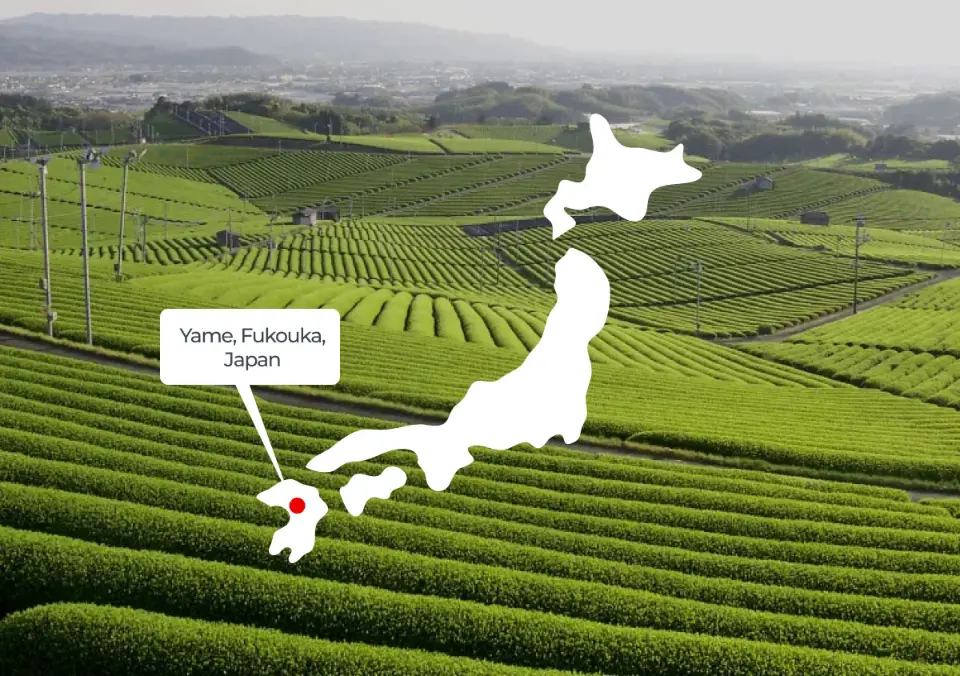
Yame, located in Fukuoka Prefecture, is another region in Japan renowned for its exceptional tea cultivation, particularly for sencha, but its matcha also holds a special place. The area benefits from a unique climate and skilled farming practices that contribute to the quality of its tea leaves. When you encounter matcha from Yame, you’re often experiencing a tea that’s been carefully grown and processed to bring out a distinct flavor profile.
Yame Matcha
Matcha from Yame tends to be known for its rich, sweet taste and a pleasant, mild astringency. This makes it quite versatile, suitable for drinking on its own or for use in various culinary applications. The deep steaming methods often employed in the region can result in a tea with a smooth body and a satisfying finish. It’s a testament to the dedication of the farmers in Yame to produce high-quality tea that honors tradition while meeting modern preferences. For those seeking a matcha that offers a balance of sweetness and a gentle green tea character, Yame matcha is certainly worth exploring. It’s a wonderful example of the diverse quality found in Japanese matcha, much like the celebrated teas from Uji. The careful cultivation practices in Yame ensure a vibrant color and a flavor that speaks of its origin.
Kyoto Matcha
Kyoto, particularly the Uji region, is widely recognized as the historical heartland of matcha in Japan. This area has a legacy of tea cultivation and processing that stretches back centuries, shaping the very definition of what matcha is.
Matcha from Kyoto, especially Uji, is often characterized by its deep, savory umami flavor. It tends to have a richer, more full-bodied mouthfeel compared to matcha from other regions. The color is typically a vibrant, deep green, reflecting the quality of the shaded tea leaves used in its production. This classic profile is what many associate with authentic, traditional matcha.
When you encounter matcha labeled as “Kyoto” or “Uji,” it signifies a connection to this rich heritage. It suggests a tea that has been cultivated and processed with generations of knowledge. While other regions like Yame also produce exceptional matcha, Kyoto’s Uji region holds a special place in tea history, often setting the standard for quality and flavor.
Consider the following characteristics often found in Kyoto matcha:
- Deep Umami: A pronounced, savory taste that is both complex and satisfying.
- Smooth Texture: A velvety mouthfeel that coats the palate.
- Vibrant Color: A rich, emerald green hue that speaks to its freshness and quality.
This connection to tradition and the specific terroir of the Uji region contributes to the unique character of Kyoto matcha, making it a benchmark for quality in the world of tea.
Uji Matcha
When we talk about matcha, especially the kind that forms the bedrock of daily rituals and culinary creations, the name Uji often comes up. This region, nestled in Kyoto Prefecture, is widely recognized as the historical birthplace of matcha in Japan. For centuries, Uji has been synonymous with high-quality tea cultivation, and its matcha carries a distinct character that many tea enthusiasts seek out.
What sets Uji matcha apart? It’s often characterized by a deep, savory umami flavor that is both rich and mellow. The color is typically a vibrant, deep green, a visual cue to its quality. This profile makes it incredibly versatile, suitable for traditional thin tea (usucha) preparations as well as for creating more complex drinks and dishes.
Think of Uji matcha as a benchmark. Its long history of cultivation and meticulous processing by dedicated farmers and tea masters has established a standard for what authentic Japanese matcha should be. This dedication to quality is why Uji remains a cornerstone in the world of fine teas.
- Historical Significance: Uji is where matcha cultivation and ceremony first took root in Japan.
- Flavor Profile: Known for its deep umami, smooth texture, and vibrant green color.
- Versatility: Excellent for both traditional tea ceremonies and modern culinary uses.
When you choose matcha from Uji, you’re not just getting a powder; you’re connecting with a tradition that has been refined over generations. It’s a taste of Japan’s rich tea heritage, carefully preserved and shared.
Organic Matcha
When you see “organic” on a matcha package, it means the tea plants were grown without synthetic pesticides or fertilizers. This is a good thing for the environment and for your peace of mind.
However, not all organic matcha is created equal. The best organic matcha still comes from regions with a long history of tea cultivation, like Uji or Yame in Japan. These areas have the right climate and soil, and generations of farmers who know how to grow high-quality tea, organic or not.
Here’s what to look for in organic matcha:
- Shade-grown leaves: This process increases chlorophyll and L-theanine, giving the matcha its vibrant color and smooth taste.
- Careful harvesting: Hand-picked leaves are generally preferred for higher grades.
- Stone-ground powder: This traditional method ensures a fine, consistent texture.
Choosing an organic matcha means you’re opting for a cleaner product, but always remember that the origin and cultivation practices are just as important for flavor and quality.
The “organic” label is a good starting point, but it doesn’t tell the whole story. True quality in matcha, organic or otherwise, is deeply tied to the land it comes from and the care taken in its production. For the most authentic experience, look to the time-honored tea-growing regions of Japan.
Wholesale Matcha
For businesses looking to incorporate high-quality matcha into their offerings, wholesale options provide a direct path to sourcing authentic Japanese matcha. This approach ensures that whether you’re a café crafting signature lattes, a retailer curating a premium tea selection, or a culinary professional developing unique recipes, you have access to consistent, exceptional quality.
When considering wholesale, it’s important to look for suppliers who can guarantee the origin and integrity of their matcha. Matcha sourced from renowned regions like Uji and Yame in Japan carries a legacy of quality and tradition. These areas are celebrated for their meticulous cultivation and processing methods, which result in matcha with superior flavor profiles, vibrant color, and fine texture.
Choosing the right wholesale partner means securing a reliable supply of matcha that meets your specific needs, whether for daily use or special creations.
Key considerations for wholesale matcha include:
- Origin and Terroir: Matcha from regions like Uji and Yame in Japan is highly regarded for its distinct characteristics.
- Grade and Flavor Profile: Different grades suit different applications, from robust café blends to more nuanced premium options.
- Consistency: Ensuring each batch maintains the same high standards of color, flavor, and texture is vital for brand reputation.
- Packaging and Shelf Life: Proper packaging protects the delicate matcha powder and extends its optimal freshness.
Understanding these factors helps in selecting a wholesale matcha that not only meets but exceeds the expectations of your customers, bringing the authentic taste of Japan to their daily rituals.
Your Daily Matcha Ritual, Elevated
Finding the right bulk matcha powder can really change your daily routine. It’s not just about a drink; it’s about creating a moment for yourself. Whether you’re looking for that vibrant green for a creamy latte, a smooth taste for a quiet moment, or just a reliable powder to start your day, there’s a matcha out there for you. We’ve looked at what makes a good matcha, from its origin to its flavor, and hopefully, this helps you pick the perfect one for your needs. So go ahead, find that special matcha, and make your daily ritual something truly special.
Read more: Discover Premium Matcha Wholesale Japan: Your Source for Authentic Japanese Green Tea


Quicl access to
You may also be interested in
How Sencha is Made, Part 3: Shiage (Refining) PD
Every year, around April and May, the Japanese tea world is thrust into “Shincha Season”....
Aug
Can You Be Allergic to Matcha? Understanding the Risks and Symptoms
Matcha, that vibrant green tea powder, has become super popular. People love it in lattes,...
Oct
How to Start a Matcha Business: A Step-by-Step Guide
Thinking about starting your own matcha business? It sounds exciting, right? Matcha is super popular,...
Oct
Unlock Premium Flavors: Your Guide to Yame Matcha Wholesale
We’re excited to share how we can help you bring the best of Japanese matcha...
Nov
Unlock Premium Quality: Your Guide to Japanese Matcha Wholesale
We’re here to talk about getting the best Japanese matcha wholesale. It can seem a...
Oct
Does Matcha Give Anxiety? Understanding the Caffeine Connection
So, you’ve heard about matcha. It’s that bright green powder people mix into drinks, and...
Nov