

Industry News
What is Starbucks Matcha Made Of? Unpacking the Ingredients
Oct
Ever wondered what exactly goes into that vibrant green matcha latte you get at Starbucks? It’s a question many of us have, and the answer isn’t just ‘green tea powder.’ There’s a bit more to it, involving specific types of matcha, how it’s prepared, and what else gets mixed in to make that familiar taste. Let’s break down what Starbucks matcha is made of, from the tea itself to the other ingredients that create your favorite drink.
Key Takeaways
- Starbucks matcha starts with high-quality matcha powder, sourced from specific regions in Japan known for their tea cultivation.
- The matcha used is often a blend designed for a robust flavor that holds up well when mixed with milk and sweeteners.
- Beyond the matcha powder itself, drinks typically include milk (or dairy alternatives), sweeteners like sugar or syrups, and sometimes flavorings such as vanilla.
- The focus is on providing a consistent and enjoyable matcha experience, balancing authentic tea flavor with the popular taste profiles customers expect.
- While the exact blend can vary, the core of Starbucks matcha is pure, finely ground green tea leaves, prepared to meet specific quality and flavor standards.
The Essence of Starbucks Matcha: Unveiling the Core Ingredients
The Foundation: High-Quality Matcha Powder
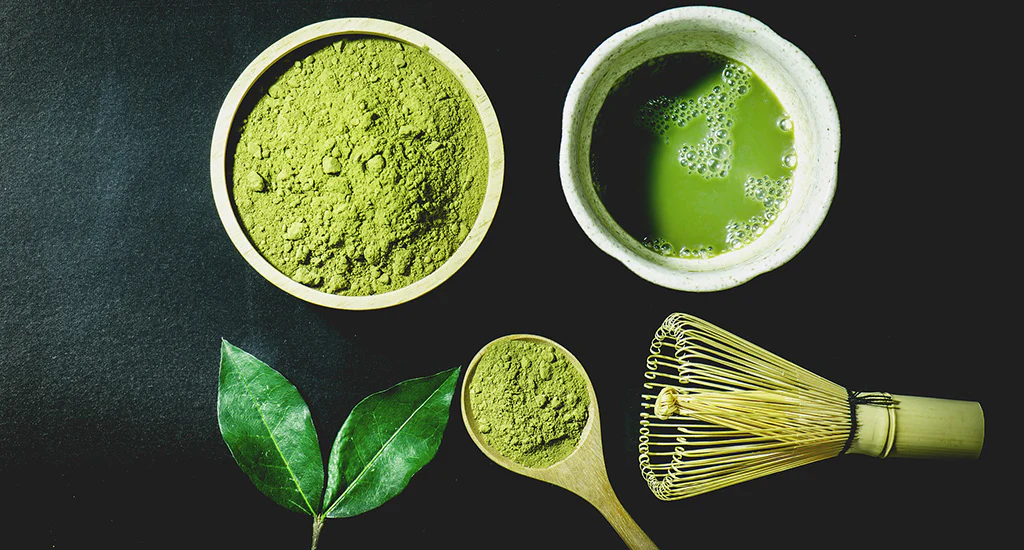
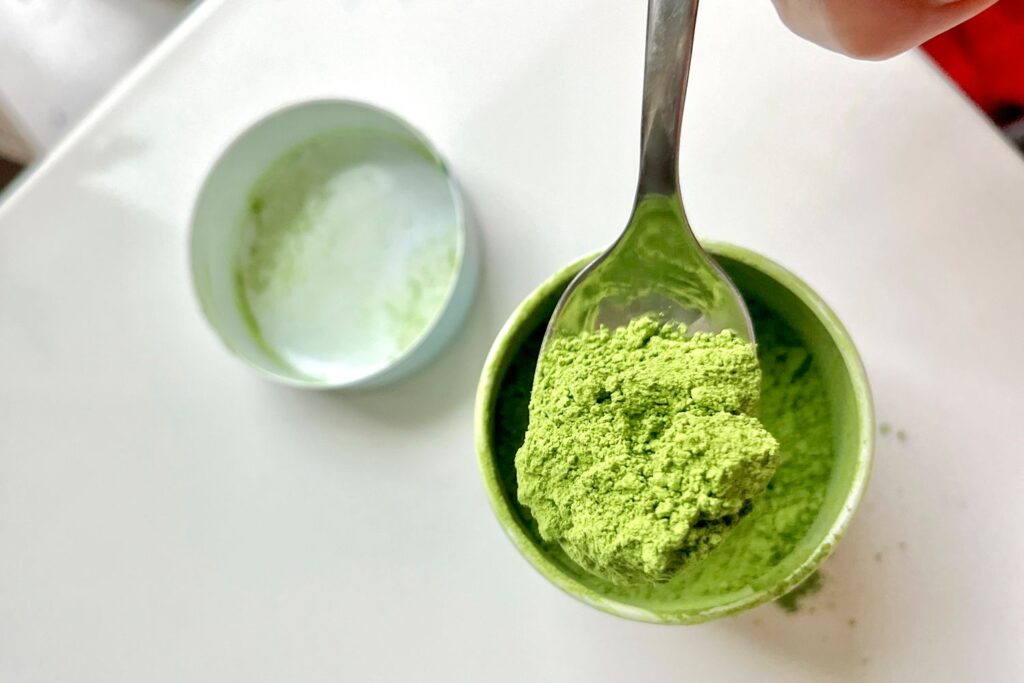
At its heart, any matcha drink, including those from Starbucks, starts with matcha powder. This isn’t just any green tea; it’s a finely ground powder made from specially grown and processed tea leaves. The process begins with tea plants being shaded from the sun for several weeks before harvest. This shading increases chlorophyll and L-theanine content, giving matcha its vibrant green color and unique, smooth flavor. After harvesting, the leaves are de-stemmed and de-veined, then slowly stone-ground into an incredibly fine powder. This meticulous process is what gives matcha its distinct character.
High-Quality Matcha Powder
Beyond the Green: Understanding Matcha Grades
Matcha isn’t a one-size-fits-all ingredient. There are different grades, each suited for different uses. Think of it like olive oil – you have extra virgin for salads and a more robust one for cooking. For everyday drinking and lattes, a good quality ‘premium’ or ‘culinary’ grade is often used. These grades are designed to hold up well when mixed with milk and sweeteners, offering a strong enough flavor to come through. Higher grades, like ‘ceremonial,’ are typically reserved for traditional preparation where the pure, delicate flavor of the matcha is meant to shine on its own.
The Art of Sourcing: From Farm to Cup
Where the matcha comes from matters a great deal. Japan is renowned for its matcha, with regions like Uji in Kyoto and Yame in Fukuoka being particularly famous. Uji has a long history, over 800 years, of matcha cultivation and is known for its deep, savory umami flavor. Yame, on the other hand, often produces matcha with a more robust, slightly sweeter profile, perfect for blending. The specific tea fields, the soil, the climate, and the expertise of the tea masters all play a role in the final taste and quality of the matcha powder used in your drink.
Crafting the Perfect Matcha Experience: Flavor Profiles and Origins
When you take a sip of Starbucks matcha, you’re tasting more than just a green tea powder. You’re experiencing a carefully selected ingredient that brings a distinct flavor profile to your drink. The origin and specific characteristics of the matcha used play a huge role in that final taste. It’s not just about the color; it’s about the depth and nuance that comes from the tea itself.
Yame’s Embrace: The Robustness of Fukuoka Matcha
Matcha from the Yame region in Fukuoka Prefecture is known for its robust and full-bodied flavor. This area, with its misty mountains and rich soil, is ideal for growing tea. The matcha produced here often has a pleasant, slightly assertive taste that stands up well, especially when mixed with milk and sweeteners, as is common in many café drinks. It’s a versatile matcha that offers a satisfying green tea note without being overly delicate. This makes it a great choice for creating a consistent and enjoyable matcha latte experience. The quality from Yame is a key reason why many professionals choose it for their café creations.
Kyoto’s Legacy: The Umami of Uji Matcha
Kyoto, particularly the Uji region, is considered the historical heartland of matcha. For centuries, Uji has been synonymous with high-quality Japanese tea. Matcha from this area is celebrated for its deep, savory umami flavor and a smooth, mellow finish. It’s a more classic profile, often associated with traditional tea ceremonies, but its refined taste also makes it exceptional in modern beverages. The Uji appellation itself is a mark of authenticity and a testament to the meticulous cultivation and blending techniques passed down through generations. This legacy is what gives Uji matcha its distinct character.
Kyoto’s Legacy: The Umami of Uji Matcha
Masterful Blends: The Artistry of Tea Masters
Behind every great matcha is a tea master. These individuals dedicate their lives to understanding the subtle differences in tea leaves, soil, and climate. They skillfully blend different harvests and grades to achieve a specific flavor profile. For instance, a master might select teas from Yame for their robust character, perfect for cutting through milk, or from Uji for a deeper umami. This artistry ensures that the matcha used in your drink isn’t just a commodity, but a carefully crafted ingredient designed for a specific purpose. It’s this attention to detail that truly defines the quality of the final beverage.
Beyond the Leaf: Additional Components in Starbucks Matcha Drinks
While the heart of any matcha drink is, of course, the matcha itself, Starbucks, like many cafés, incorporates other elements to create its signature beverages. These additions play a significant role in the final taste, texture, and overall experience.
The Creamy Canvas: Milk and Dairy Alternatives
Milk forms the base for many popular matcha drinks, like the classic matcha latte. Starbucks typically uses:
- 2% Milk: This is often the default, providing a balanced creaminess.
- Whole Milk: For a richer, more decadent texture.
- Nonfat Milk: A lighter option.
- Soy Milk: A plant-based alternative, offering a slightly nutty flavor.
- Almond Milk: Another popular plant-based choice, known for its subtle almond notes.
- Oat Milk: Increasingly common, oat milk provides a smooth, creamy consistency that pairs well with matcha.
The choice of milk can subtly alter the matcha’s flavor profile. A richer milk might mellow the matcha’s natural bitterness, while a lighter or plant-based milk can allow the tea’s nuances to come through more distinctly. For those seeking the purest matcha experience, enjoying it with just water or a minimal amount of neutral milk is often recommended.
Sweetening the Sip: Syrups and Sugars
Matcha, especially when intended for lattes, is often sweetened to balance its inherent vegetal notes and slight bitterness. Starbucks uses a variety of sweeteners:
- Classic Syrup: A simple syrup, providing straightforward sweetness.
- Vanilla Syrup: Adds a layer of warm, familiar flavor.
- Other Seasonal Syrups: Depending on the time of year, other flavorings might be available.
- Sugar Packets: For those who prefer to control their sweetness level directly.
The amount and type of sweetener used can dramatically change the perception of the matcha’s quality. When matcha is heavily sweetened, it can mask the subtle complexities of high-grade matcha from regions like Yame or Uji. Authentic Japanese matcha, particularly from these esteemed areas, often possesses a natural sweetness and a rich umami that requires little to no added sugar.
Flavor Enhancements: Vanilla and Other Essences
Beyond milk and sweeteners, certain drinks might include additional flavorings. Vanilla is a common addition, as its smooth, aromatic profile complements matcha well without overpowering it. Other flavor essences, often seasonal, can also be incorporated. These additions are designed to create a specific taste experience, but they also serve to further mellow the matcha’s natural character. For those who appreciate the true essence of matcha, these enhancements are often best omitted to savor the pure, unadulterated flavor of the tea itself, ideally sourced from the renowned tea-growing regions of Japan.
The Pursuit of Purity: Starbucks’ Commitment to Quality
When you enjoy a matcha latte at Starbucks, there’s a quiet dedication behind the scenes to make sure each cup is just right. It’s not just about mixing ingredients; it’s about a standard of quality that aims to bring the best of matcha to everyone. This commitment starts with the very source of the tea itself, focusing on consistency and a respect for the traditional methods that make matcha so special.
Consistency in Every Cup: The Anban Tea Standard
Starbucks works to ensure that the matcha you taste today is the same as the matcha you enjoyed last week, or will enjoy next month. This consistency is key, especially when dealing with a natural product like tea. It means that the vibrant green color and the balanced flavor profile are maintained across different batches and locations. This focus on a reliable standard helps build trust with customers, letting them know what to expect with every order. It’s about delivering that familiar, comforting matcha experience time after time.
The Kawakami Philosophy: Respect for the Drinker
At the heart of truly exceptional matcha is a philosophy that prioritizes the person enjoying the tea. This approach, championed by figures like Tea Master Naoya Kawakami, emphasizes purity and a mindful preparation. The idea is that the tea itself should be a source of calm and well-being, free from anything that might detract from its natural essence. This means a careful selection of leaves and a precise processing method, all aimed at creating a clean, pure taste that respects the drinker’s palate and offers a moment of genuine tranquility. It’s a philosophy that values the experience as much as the product itself.
From Artisan to World: Making Matcha Accessible
There’s a beautiful balance in making high-quality matcha available to a wide audience without sacrificing its integrity. The goal is to share the authentic taste and experience of Japanese matcha, whether it’s from the renowned regions of Yame or Uji, with as many people as possible. This involves careful sourcing and blending, creating matcha that performs well in popular drinks like lattes while still retaining its characteristic flavor. It’s about bridging the gap between the traditional art of matcha making and the modern café experience, allowing more people to discover and appreciate the nuanced world of fine Japanese teas. This effort helps to raise the understanding of the world regarding authentic matcha.
Exploring the Nuances: What Distinguishes Starbucks Matcha
When you order a matcha latte at Starbucks, you’re getting a specific blend designed for a particular experience. It’s not just about the green tea powder; it’s about how that powder interacts with other ingredients to create a familiar taste. Starbucks uses a matcha blend that’s optimized for consistency and a flavor profile that holds up well in a busy café setting. This often means a matcha that has a more robust character, able to stand out even when mixed with milk and sweeteners.
Hoshi Matcha: The Star of Café Creations
The matcha used in many Starbucks drinks is often referred to as Hoshi Matcha. This particular blend is crafted with café use in mind. It comes from the Yame region of Fukuoka, Japan, known for its high-quality tea. Hoshi Matcha is designed to have a bolder flavor, which is important when you’re adding milk and sugar. It’s made to be vibrant in color and to mix smoothly, creating that signature green hue and creamy texture people expect.
- Robust Flavor: Stands up well to milk and sweeteners.
- Vivid Color: Provides a bright green appearance.
- Smooth Mixability: Blends easily for a consistent texture.
Ren Matcha: A Taste of Kyoto Tradition
While Hoshi Matcha is geared towards broad appeal in cafés, other matcha types offer different experiences. For instance, Ren Matcha, sourced from the Uji region of Kyoto, represents a more traditional profile. Uji is historically significant for matcha production, and teas from this area are known for their deep umami and mellow, rich taste. This type of matcha is often preferred for its more complex flavor, which is less about being bold and more about subtle, savory notes. It’s a different kind of quality, one that speaks to the heritage of Japanese tea.
Hana Midori: Elegance in Every Sip
Another example of distinct matcha is Hana Midori. Also from the Yame region, this matcha is crafted by Tea Master Naoya Kawakami. It’s described as having a beautifully balanced cup with a creamy body, mellow sweetness, and subtle floral notes. This suggests a more refined and perhaps delicate flavor compared to Hoshi Matcha. It’s a premium grade meant for daily enjoyment, offering a taste that is both elegant and accessible, showcasing the versatility of matcha from different regions and crafted by different masters.
The specific matcha blend used by Starbucks is chosen for its ability to deliver a consistent and pleasing flavor across a wide range of drinks, balancing the natural taste of matcha with other ingredients. This approach ensures that whether you’re in New York or Tokyo, your matcha latte tastes familiar.
Understanding these different types of matcha, like Hoshi, Ren, and Hana Midori, helps appreciate the choices made in creating popular drinks. It highlights how origin and blending techniques from places like Yame and Uji contribute to the final taste in your cup. You can explore more about how different matcha grades are used in popular iced matcha drinks.
The Journey of Matcha: From Ancient Traditions to Modern Cafés
Matcha’s story is a long one, stretching back centuries in Japan. It’s not just a drink; it’s a practice, a ritual that has evolved. The way matcha is grown, processed, and prepared has a deep connection to Japanese culture and history.
The Crafting Process: Patience and Precision
The creation of matcha is a meticulous process that demands a great deal of care. It starts with the tea plants themselves, which are shaded from direct sunlight for several weeks before harvest. This shading increases the chlorophyll content, giving the leaves their vibrant green color and boosting their amino acid levels, which contribute to matcha’s unique umami flavor.
After harvesting, the leaves are de-stemmed and de-veined, then slowly stone-ground into the fine powder we recognize as matcha. This grinding process is slow and deliberate, often taking up to an hour to produce just 30-40 grams of matcha. This careful attention to detail is what separates true matcha from other green teas.
- Shading: Tea plants are covered for 20-30 days before harvest.
- De-stemming & De-veining: Leaves are processed to remove stems and veins.
- Stone-Grinding: Leaves are ground into a fine powder using granite stone mills.
The Land’s Influence: Soil and Terroir
The origin of matcha plays a significant role in its final taste and quality. Regions like Uji in Kyoto and Yame in Fukuoka are renowned for their ideal growing conditions. The specific soil composition, climate, and traditional farming methods in these areas contribute to the distinct characteristics of the matcha produced there.
Uji, often called the birthplace of matcha, has a long history of tea cultivation. The region’s misty mountains and rich soil are perfect for growing high-quality tea leaves. Similarly, Yame in Fukuoka is known for its premium matcha, often characterized by a robust flavor and bright green color, making it a favorite for café-style drinks.
The Tea Itself: Uncompromising Purity
Ultimately, the journey of matcha is about the tea itself. The commitment to purity in every step, from cultivation to grinding, is what defines authentic Japanese matcha. This dedication ensures that the final product is not only visually appealing but also offers a complex and satisfying flavor profile. Whether enjoyed traditionally or in modern beverages, the essence of high-quality matcha remains.
The careful cultivation and meticulous processing of matcha are not just about making a beverage; they are about preserving a tradition and honoring the natural qualities of the tea leaf. This respect for the process is what allows matcha to offer such a unique and rewarding experience.
The Matcha Unveiled
So, what’s really in that Starbucks matcha? It turns out, it’s a blend designed for a specific taste and texture, often including sugar and other ingredients to create that familiar, smooth flavor. While the core is matcha powder, the additions make it a distinct beverage. For those seeking the pure essence of matcha, exploring single-origin options from dedicated tea purveyors might be the next step. It’s a journey from a popular café drink to the nuanced world of traditional tea, and understanding the ingredients is just the beginning.
Read more: Do You Need a Matcha Whisk? Essential Tools for the Perfect Matcha


Quicl access to
You may also be interested in
Is Matcha Detoxifying? Exploring the Health Benefits of Green Tea
Lots of people are talking about matcha these days, and you might have heard it’s...
Nov
Is Matcha Plant Based? Unpacking the Origins of Your Green Tea
So, you’ve probably seen matcha everywhere lately. It’s in lattes, smoothies, even baked goods. And...
Nov
What Color Should Matcha Powder Be? Understanding the Vibrant Green
Ever wondered about that vibrant green color in your matcha? It’s not just for looks!...
Nov
Unlock Premium Quality: Your Guide to Japanese Matcha Wholesale
We’re here to talk about getting the best Japanese matcha wholesale. It can seem a...
Oct
How Much Matcha Powder for Matcha Latte: The Perfect Ratio Explained
Making a great matcha latte at home can seem a little tricky. You want that...
Oct
How to Start a Matcha Business: A Step-by-Step Guide
Thinking about starting your own matcha business? It sounds exciting, right? Matcha is super popular,...
Oct